
The Anxious Psychology Of Regressive Thinking
The Anxious Psychology Of Regressive Thinking – What It Means
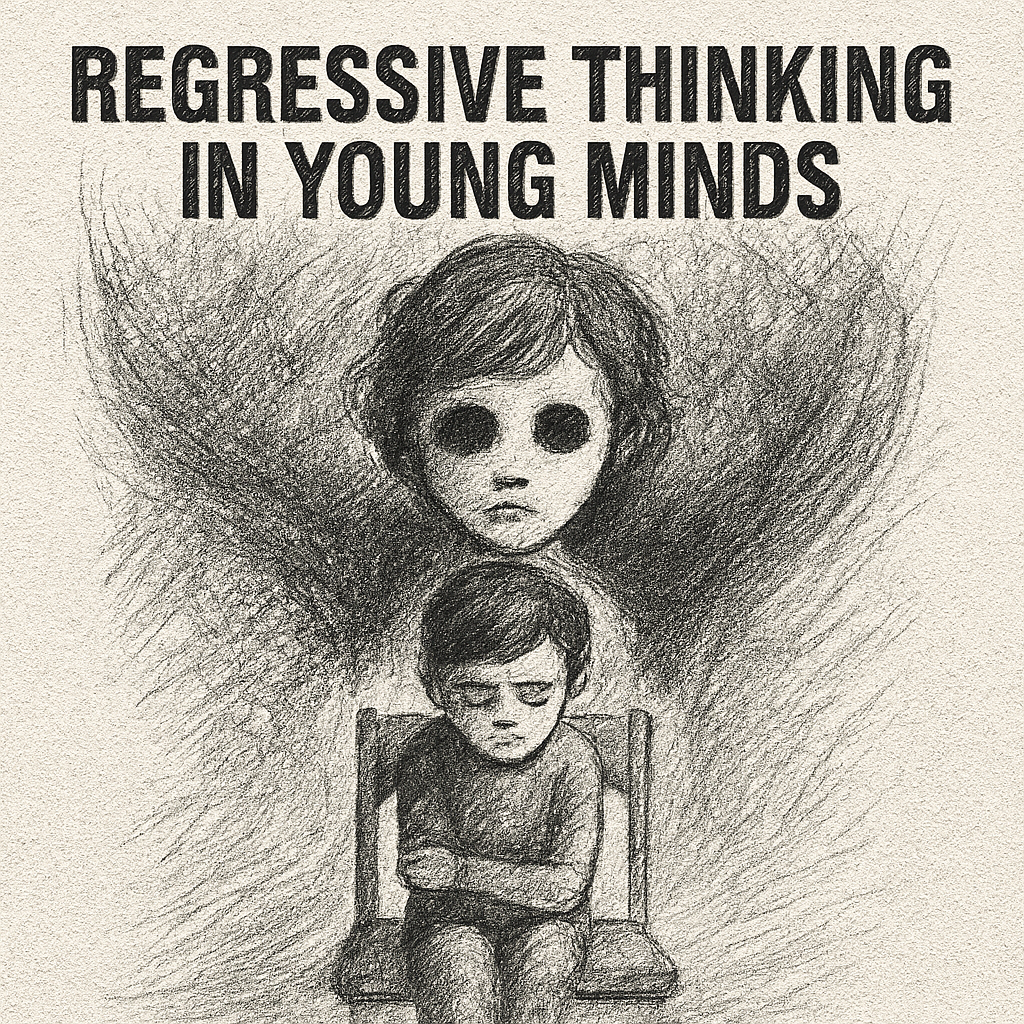
Regressive thinking is a psychological process where people fall back into earlier patterns of behavior or thought when faced with stress, fear, or overwhelming emotions. Instead of using mature strategies to solve problems, the mind chooses familiar responses from childhood because they feel safe and comforting. This can include crying, avoiding responsibilities, or relying heavily on others for reassurance.
Psychologists describe regression as a defense mechanism, meaning it is an unconscious way the mind protects itself from pain or anxiety. While regression may provide short-term relief, it often prevents individuals from addressing challenges in constructive ways. It is important to understand that regression is not always harmful, as it can sometimes give people a temporary break from stress. However, when regression becomes frequent or long-lasting, it can block personal growth and create difficulties in relationships and daily life. Both children and adults experience regression, though it appears differently depending on age and context. Recognizing regression allows people to respond with empathy and awareness rather than judgment.
Historical Roots Of Regression
The idea of regression was first introduced by Sigmund Freud, who believed that defense mechanisms protect the ego from distress. Freud explained that regression occurs when the mind returns to earlier stages of development to avoid painful realities. His daughter, Anna Freud, expanded on this idea by showing how regression appears in children and adults during times of stress. Early psychoanalysis emphasized that regression is not always negative but can serve as a temporary coping tool. Over time, psychologists debated whether regression should be seen as adaptive or maladaptive depending on the situation.
Historical accounts reveal that regression has been observed across cultures and eras, often linked to stress responses during crises such as wars or social upheavals. Modern psychology reframes regression as a natural human reaction that can be managed through therapy and self-awareness. By tracing its roots, we see that regression has always been part of human behavior. This history shows that regression is not a flaw but a universal response to emotional strain. Understanding its origins helps us appreciate why regression continues to be studied today.
Key Historical Perspectives
| Thinker | Contribution | Impact |
|---|---|---|
| Sigmund Freud | Introduced regression as defense mechanism | Foundation of psychoanalysis |
| Anna Freud | Expanded defense mechanism theory | Applied to child psychology |
| Modern Psychoanalysis | Reframed regression as coping tool | Integrated into therapy |
Regression In Childhood
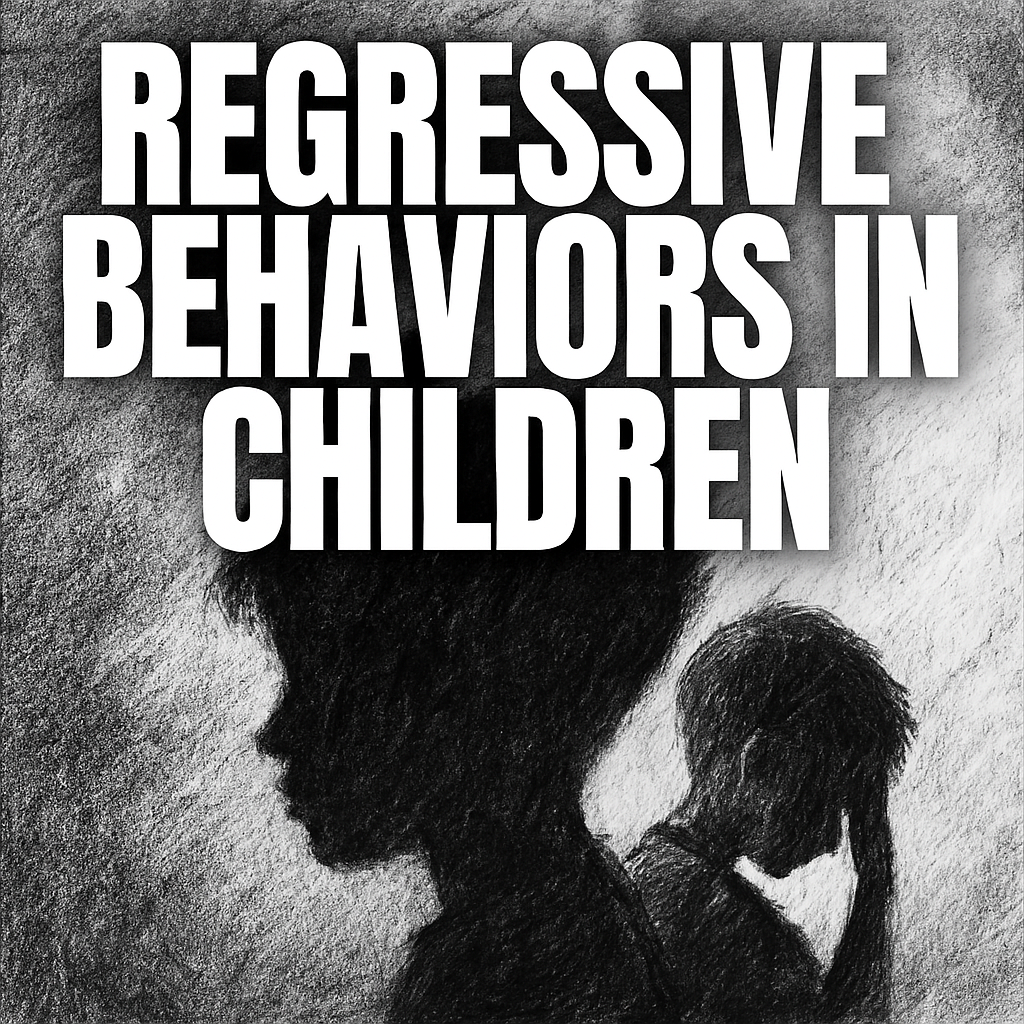
Children often show regression when they face major changes or stressful events. For example, a child who has already mastered toilet training may begin bedwetting again after moving to a new home. Regression can also appear when a new sibling is born, as the child may revert to baby talk or clinginess to regain parental attention. These behaviors are usually temporary and signal that the child needs comfort and reassurance.
Parents and caregivers should respond with patience rather than punishment, since regression is a way for children to cope with feelings they cannot yet express in words. Teachers may also notice regression during school transitions, such as starting kindergarten or moving to a new grade. Regression in childhood is not always harmful, as it can help children adjust to new situations until they feel safe again. However, if regression continues for a long time, it may indicate deeper emotional struggles that require support. Understanding regression in children allows adults to provide empathy and guidance. It is a normal part of development when handled with care and understanding.
Common Childhood Regression Behaviors
- Bedwetting after achieving toilet training
- Thumb sucking during stressful events
- Clinging to parents in unfamiliar settings
- Reverting to simpler speech patterns
- Tantrums when facing new responsibilities
Regression In Adults
Adults also experience regression, though their behaviors differ from those of children. For instance, an adult may avoid responsibilities at work when overwhelmed by stress, acting as though they lack the maturity expected of their age. In relationships, regression can appear as excessive dependency, where one partner constantly seeks reassurance or comfort.
Trauma may trigger childlike speech or behaviors, as the mind searches for safety in familiar patterns. Workplace stress can lead adults to lash out or withdraw, showing behaviors more typical of adolescence than adulthood. Regression in adults is often unconscious, meaning people may not realize they are reverting to earlier coping strategies. Recognizing these behaviors is important for therapy and personal growth, as it helps individuals understand why they react in certain ways. Regression in adults is not always harmful, but when it becomes a habit, it can block progress and damage relationships. Therapy often addresses adult regression by teaching healthier coping skills. By identifying regression, adults can learn to face challenges with resilience instead of avoidance.
Adult Regression Examples
| Situation | Behavior | Psychological Meaning |
|---|---|---|
| Workplace stress | Tantrums or avoidance | Escape from responsibility |
| Relationship conflict | Excessive dependency | Desire for security |
| Trauma | Childlike speech | Search for comfort |
Causes Of Regressive Thinking
Regression often arises from unresolved stress, trauma, or anxiety. The mind seeks safety by returning to earlier, familiar states that once provided comfort. Biological factors such as hormonal changes can also influence regression, making people more vulnerable to emotional shifts. Social pressures and environmental instability may trigger regressive responses, especially when individuals feel powerless. Regression is often unconscious, meaning people do not choose it deliberately but fall into it naturally.
Stressful life events such as divorce, job loss, or illness can make regression more likely. Anxiety disorders often include regressive behaviors as part of their symptoms. Trauma has a large impact that can cause regression because the mind struggles to understand or process overwhelming experiences. Even changes in routine or environment can lead to regression if they create uncertainty. Understanding causes helps psychologists design effective interventions that address both emotional and biological factors.
Main Causes
- Stressful life events
- Traumatic experiences
- Anxiety disorders
- Hormonal fluctuations
- Environmental instability
Regression As A Defense Mechanism
Regression is one of several defense mechanisms the mind uses to protect itself from emotional pain. It works by pulling the person back into earlier stages of behavior that once felt safe and familiar. For example, instead of facing a stressful situation directly, someone may cry or act childlike to avoid the discomfort. Sigmund Freud described regression as a way the ego shields itself from anxiety. Anna Freud later explained that regression is common in children but can also appear in adults.
Unlike denial or projection, regression does not ignore reality but instead changes how the person reacts to it. This makes regression unique among defense mechanisms because it relies on past behaviors rather than new ones. While regression may lower anxiety temporarily, it often delays problem-solving and growth. Therapists often compare regression with other defenses to help patients understand their coping styles.
Defense Mechanism Comparison
| Mechanism | Description | Example |
|---|---|---|
| Regression | Returning to earlier behaviors | Adult crying like a child |
| Denial | Refusing reality | Ignoring medical diagnosis |
| Projection | Attributing feelings to others | Accusing others of own anger |
Impact On Mental Health
Regression can have serious effects on mental health if it becomes a regular way of coping. People who regress often avoid responsibilities, which can lead to stress building up over time. Anxiety may increase because problems are left unsolved.
Depression can also develop when regression blocks progress and keeps people stuck in old habits. Confidence often drops because individuals feel unable to handle challenges in mature ways. Relationships may suffer when regression leads to dependency or immaturity. Emotional ups and downs become more frequent, making daily life harder to manage. Therapy helps people break these patterns by teaching healthier coping skills. Recognizing regression is the first step toward recovery. Mental health improves when regression is replaced with resilience and problem-solving.
Mental Health Effects
- Increased anxiety from unresolved problems
- Avoidance of responsibility leading to stress
- Reduced self-confidence in daily life
- Difficulty maintaining healthy relationships
- Emotional instability and mood swings
Regression In Therapy
Therapists often see regression during sessions, especially when patients discuss painful memories. Regression can help uncover hidden emotions that the patient has avoided for years. In psychoanalysis, regression is used to explore the unconscious mind and bring repressed feelings to the surface. Cognitive therapy focuses on identifying regressive patterns and replacing them with healthier responses. Humanistic therapy provides support and empathy when regression appears, helping patients feel safe.
Regression in therapy is not discouraged but managed carefully to prevent harm. Sometimes regression allows patients to express emotions they could not show before. Therapists guide patients toward healthier coping strategies once regression is recognized. This process helps patients build resilience and self-awareness. Regression in therapy can be a powerful tool for healing when handled with care.
Therapy Approaches
| Approach | Use Of Regression | Outcome |
|---|---|---|
| Psychoanalysis | Explore unconscious | Emotional release |
| Cognitive Therapy | Identify patterns | Behavioral change |
| Humanistic Therapy | Provide support | Self-awareness |
Adaptive And Maladaptive Regression
Regression can be either adaptive or maladaptive depending on how it is used. Adaptive regression provides temporary relief and allows people to reset emotionally. For example, crying during grief can help release emotions and begin healing. Maladaptive regression, however, prevents growth and keeps people stuck in old habits. It often appears when people avoid responsibilities or refuse to face reality. Adaptive regression can be healthy if it is short-lived and followed by progress. Maladaptive regression becomes harmful when it is repeated often and blocks maturity. Therapists help patients distinguish between the two forms of regression. Knowing the difference allows people to use regression in a balanced way. Adaptive regression can be a tool, while maladaptive regression is a barrier.
Adaptive Vs Maladaptive
- Adaptive – Temporary coping, emotional reset, emotional release
- Maladaptive – Persistent avoidance, blocked growth, repeated immaturity
Regression And Stress Responses
Stress is one of the most common triggers for regression. When people feel overwhelmed, their minds may return to earlier coping strategies. This can include crying, withdrawing, or seeking comfort in simple routines. Stressful environments such as workplaces or schools can trigger and often make regression more common or likely. Regression is a way the mind tries to reason and or reduce tension quickly. However, it does not solve the source of stress. Instead, it delays problem-solving and may increase anxiety later. Understanding regression as a stress response helps people recognize when they are falling back into old habits. Therapists often teach stress management techniques to replace regression. Healthy coping strategies reduce the need for regression and build resilience.
Stress-Related Regression Behaviors
- Crying during overwhelming tasks
- Avoiding responsibilities at work or school
- Seeking comfort in familiar routines
- Acting immature during conflicts
- Depending heavily on others for reassurance
Regression And Trauma
Trauma often leads to regression because the mind struggles to process overwhelming experiences. People may revert to childlike behaviors as a way of seeking safety. Trauma survivors sometimes use regression to avoid painful memories. This can include speaking in a softer, childlike voice or withdrawing from adult responsibilities. Regression after trauma is often unconscious and not chosen deliberately. Therapists recognize regression as a sign that deeper healing is needed. Trauma-related regression can block recovery if it becomes a habit. However, it can also reveal hidden emotions that need to be addressed. Therapy helps patients move beyond regression by processing trauma safely. Regression and trauma are closely linked in psychology.
Trauma-Linked Regression Examples
| Trauma Type | Behavior | Meaning |
|---|---|---|
| Childhood abuse | Childlike speech | Search for safety |
| War experience | Withdrawal | Avoidance of pain |
| Loss of loved one | Excessive dependency | Need for comfort |
Regression And Relationships
Instead of communicating maturely, they may revert to childlike behaviors such as sulking, clinging, or demanding constant reassurance. These behaviors can strain relationships because they place uneven emotional weight on the other partner.
Regression may also cause conflicts to escalate, as one person avoids responsibility while the other feels burdened. In some cases, regression can temporarily bring comfort, but it usually prevents healthy communication. Couples who experience regression often struggle with trust and balance. Therapy can help partners recognize regressive patterns and replace them with healthier ways of relating. Regression in relationships is not uncommon, especially during stressful life changes. Understanding it allows couples to respond with empathy rather than frustration. By addressing regression, relationships can grow stronger and more resilient.
Relationship Regression Examples
| Situation | Behavior | Impact |
|---|---|---|
| Conflict | Sulking or silent treatment | Blocks communication |
| Stress | Clinging to partner | Creates imbalance |
| Insecurity | Constant reassurance seeking | Weakens trust |
Regression And Work Life
Regression can also affect professional environments, where stress and pressure are common. Employees may avoid tasks, lash out at colleagues, or act immature when deadlines feel overwhelming. These behaviors can reduce productivity and damage workplace relationships. Regression in work life often appears when individuals feel powerless or unsupported. Managers may notice employees withdrawing or refusing responsibility. While regression may provide temporary relief, it usually harms career growth. Workplaces that encourage healthy coping strategies reduce the risk of regression. Training in stress management and communication can help employees handle pressure maturely. Recognizing regression in work life allows organizations to support staff better. Healthy workplaces encourage resilience instead of regression.
Work-Related Regression Behaviors
- Avoiding tasks under pressure
- Acting immature during conflicts
- Withdrawing from responsibilities
- Seeking constant reassurance from managers
- Refusing to face challenges directly
Regression And Education
Students often experience regression during stressful academic periods. For example, a student may avoid studying or act out in class when overwhelmed by exams. Regression in education can appear as procrastination, dependency on teachers, or refusal to take responsibility. These behaviors block learning and growth. Teachers may notice regression when students revert to earlier habits, such as needing constant guidance. Regression in education is often linked to fear of failure or pressure from expectations. Supportive teaching methods can reduce regression by building confidence. Encouraging independence helps students move past regressive behaviors. Regression in education shows how stress affects learning. Addressing it helps students succeed academically and emotionally.
Education Regression Examples
| Situation | Behavior | Meaning |
|---|---|---|
| Exam stress | Avoiding study | Fear of failure |
| Classroom conflict | Acting out | Search for attention |
| High expectations | Dependency on teacher | Need for reassurance |
Regression And Coping Strategies
Regression is often used as a coping strategy when people feel overwhelmed. It allows them to avoid facing problems directly by returning to familiar behaviors. While this may reduce anxiety temporarily, it does not solve the underlying issue. Healthy coping strategies can replace regression and build resilience. Examples include mindfulness, problem-solving, and seeking social support. Therapy often teaches these skills to help patients manage stress. Coping strategies that encourage growth reduce the need for regression. Regression shows how people try to protect themselves, but healthier methods are more effective. Recognizing regression as a coping strategy helps people understand their reactions. Replacing regression with resilience leads to stronger mental health.
Healthy Coping Alternatives
- Practicing mindfulness to reduce stress
- Using problem-solving skills to face challenges
- Seeking support from trusted friends or family
- Building confidence through small achievements
- Developing resilience with therapy and guidance
Regression And Personality
Regression can be influenced by personality traits. People who are naturally anxious may regress more often because they struggle with stress. Those with dependent personalities may rely heavily on regression to seek comfort. Introverted individuals may regress by withdrawing, while extroverts may regress by acting immature in social settings. Personality shapes how regression appears in daily life. Regression is not limited to one type of person but can affect anyone. Personality traits only influence how regression is expressed. Recognizing this helps tailor therapy to individual needs. Regression and personality are closely linked in psychology.
Personality And Regression
| Personality Type | Regression Behavior | Meaning |
|---|---|---|
| Anxious | Childlike dependency | Search for safety |
| Dependent | Constant reassurance seeking | Need for comfort |
| Introverted | Withdrawal | Avoidance of stress |
| Extroverted | Immature social behavior | Release of tension |
Regression And Culture
Regression is influenced by cultural values and traditions, which shape how people express stress and coping. In some cultures, regression may be seen as weakness, while in others it may be accepted as a natural response to hardship. For example, societies that value independence may view dependency behaviors negatively, while collectivist cultures may see them as signs of community support. Cultural expectations often determine whether regression is hidden or openly expressed. Regression can also appear differently depending on cultural rituals, such as mourning practices or family roles.
Psychologists study regression across cultures to understand how environment shapes behavior. Regression is not limited to one society but is a universal human response. However, the way it is interpreted varies widely. Recognizing cultural influences helps therapists provide more effective support. Regression and culture are closely connected in shaping human behavior.
Cultural Influences On Regression
| Culture Type | Regression Expression | Interpretation |
|---|---|---|
| Individualist | Avoidance or withdrawal | Seen as weakness |
| Collectivist | Dependency on family | Seen as support |
| Ritual-based | Childlike mourning behaviors | Accepted as tradition |
Regression And Aging
Aging often brings challenges such as reduced independence, which may trigger regressive behaviors. Older adults may rely more heavily on family members for comfort and support. Regression in aging is sometimes linked to medical conditions that affect memory or emotional stability.
It can also appear when older adults face loneliness or fear of death. While regression may provide temporary relief, it can reduce independence if it becomes frequent. Families often notice regression when older relatives act more childlike or avoid responsibilities. Therapists encourage older adults to maintain resilience and independence while addressing emotional needs. Regression in aging shows how stress affects people at every stage of life. Understanding it helps families and caregivers respond with empathy.
Aging-Related Regression Behaviors
- Increased dependency on family members
- Avoiding responsibilities or decisions
- Childlike speech or behavior during illness
- Seeking constant reassurance from caregivers
- Withdrawing from social activities
Regression And Therapy Outcomes
Regression can play a role in therapy outcomes, both positive and negative. When managed carefully, regression allows patients to express emotions they have hidden for years. This can lead to breakthroughs in self-awareness and healing. However, if regression is not addressed, it may block progress and keep patients stuck. Therapists use regression to explore unconscious feelings and guide patients toward healthier coping strategies. Successful therapy often involves replacing regressive habits with resilience and problem-solving. Regression outcomes depend on how it is handled in sessions. Patients who learn to recognize regression gain more control over their behavior. Therapy outcomes improve when regression is transformed into growth. Regression in therapy shows how challenges can become opportunities for healing.
Therapy Outcomes Of Regression
| Outcome Type | Description | Example |
|---|---|---|
| Positive | Emotional release and growth | Patient expresses hidden trauma |
| Negative | Blocked progress | Patient avoids responsibility |
| Balanced | Managed regression | Patient learns healthier coping |
Regression And Society
Regression can also be seen at the level of society, especially during crises. Communities may revert to older traditions or behaviors when facing collective stress. For example, during wars or disasters, people often seek comfort in familiar rituals. Regression in society can provide unity but may also block progress. Social regression may appear as resistance to change or reliance on outdated practices. Psychologists study regression in society to understand how groups cope with fear. Regression at this level shows that it is not only an individual response but also a collective one. Communities that manage regression well often emerge stronger. Those that remain stuck may struggle to adapt. Regression in society reflects how stress shapes collective behavior.
Social Regression Patterns
- Returning to old traditions during crises
- Resisting change in stressful times
- Seeking comfort in familiar rituals
- Depending on authority figures for guidance
- Avoiding progress by clinging to the past
Conclusion – Moving Beyond Regression
Regression is a natural human response that appears in children, adults, and even societies. It provides temporary comfort but often blocks growth when it becomes a habit. Understanding regression helps people recognize it in themselves and others. Therapy offers tools to replace regression with healthier coping strategies. Self-awareness is key to breaking regressive patterns. Support from family, friends, and communities makes progress easier. Regression can be transformed into resilience when managed carefully. It is part of human nature but does not have to control behavior. Moving beyond regression builds strength and maturity. Growth comes from facing challenges directly instead of avoiding them.
Join The Discussion
How do you see regressive thinking manifesting in everyday life, and what strategies do you believe help overcome it?
#Psychology #MentalHealth #Regression #DefenseMechanisms #StressManagement #CopingStrategies #Therapy #HumanBehavior #EmotionalHealth #Growth






One Comment