
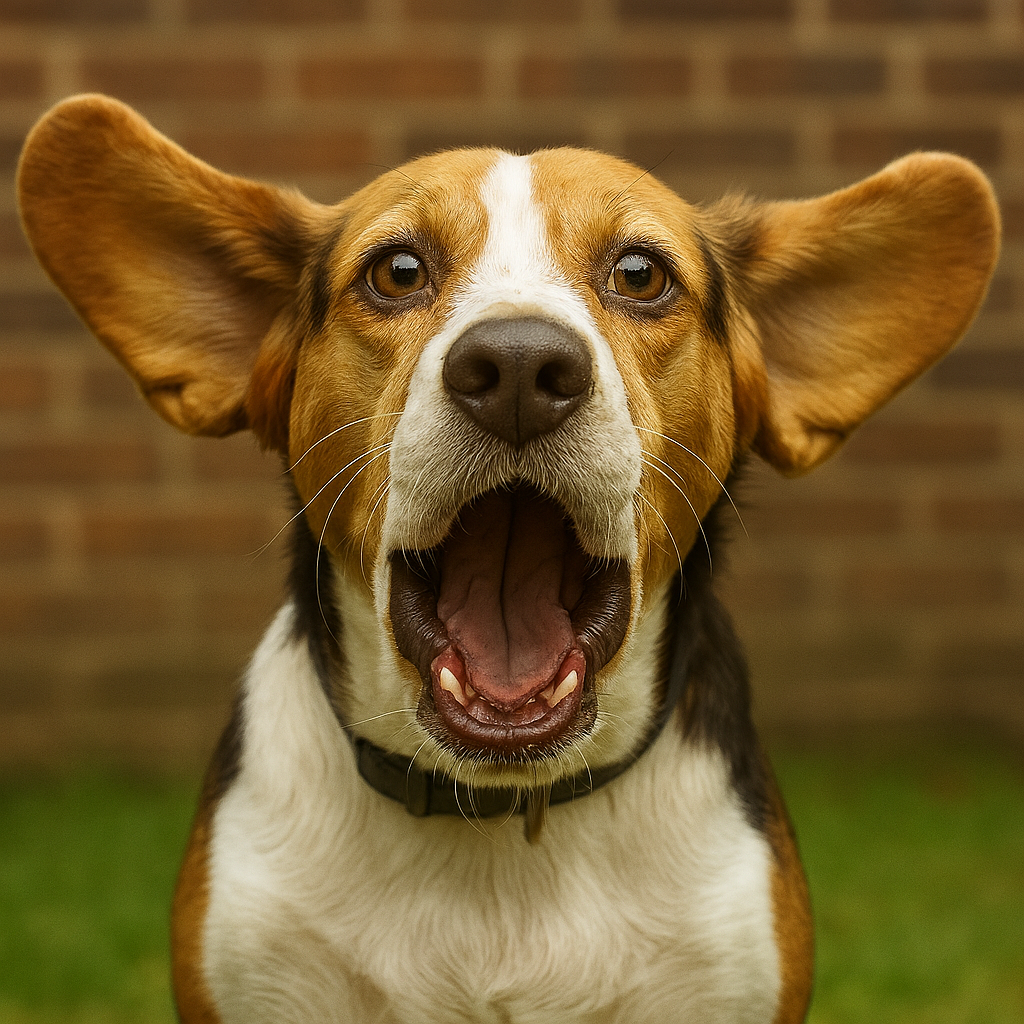
Do Dogs Have Accents And Language Based On Country
Do Dogs Have Accents And Language
The idea that dogs might develop accents or regional variations in their vocalisations is both whimsical and scientifically intriguing, inviting us to reconsider how animals adapt to human environments. While dogs do not speak in the human sense, their barks, growls, whines, and other sounds are shaped by context, interaction, and learned behaviour. In different countries, dogs are exposed to distinct cultural rhythms, environmental cues, and human speech patterns, which may subtly influence how they express themselves. This raises the possibility that canine communication is not entirely universal but instead shaped by regional experience. This is a fun thoughtfull look of just maybe.
Environmental Influence On Vocal Patterns
Dogs raised in different environments often adapt their vocal behaviour to match the pace, tone, and intensity of their surroundings. Urban dogs may bark more frequently and sharply due to constant stimulation, while rural dogs might develop slower, deeper vocalisations in response to quieter landscapes. These adaptations are not genetic but behavioural, shaped by repeated exposure to specific auditory conditions. The rhythm of human speech in a given region may also influence how dogs time their responses or vocal cues. Over time, these environmental factors contribute to a kind of regional vocal identity among dogs.
Environmental Factors And Vocal Behaviour
| Environment Type | Common Vocal Traits | Influence On Dogs |
|---|---|---|
| Urban | Fast, sharp barking | Response to noise and movement |
| Rural | Deep, slow vocalisations | Adaptation to quiet surroundings |
| Coastal | Rhythmic, spaced barking | Influence of open space and wind |
| Mountainous | Echo-sensitive tones | Adjustment to terrain acoustics |
| Tropical | High-pitched alerts | Reaction to wildlife and humidity |
Human Speech And Canine Mimicry
Dogs are highly attuned to human voices and often mirror the emotional tone and cadence of their owners. In countries where speech tends to be fast and expressive, dogs may develop quicker, more varied vocal responses. Conversely, in cultures with slower, more measured speech, dogs might adopt a calmer, more deliberate vocal style. This mimicry is not linguistic but emotional, reflecting the dog’s ability to synchronise with human energy. The result is a subtle but real influence of regional human speech on canine vocal behaviour.
Speech-Driven Adaptations In Dogs
- Synchronisation with emotional tone
- Adjustment to speech rhythm
- Mimicry of vocal intensity
- Response to language cadence
- Influence of household communication style

Breed Variation And Regional Conditioning
While breed plays a role in vocal tendencies, regional conditioning can override genetic predispositions in surprising ways. A typically quiet breed may become more vocal in a high-stimulation environment, while a naturally loud breed might soften its tone in a calm setting. This suggests that regional influence can shape vocal behaviour across all breeds, regardless of their baseline tendencies. Dogs are highly adaptable and often adjust their communication style to match the expectations of their human companions. Breed traits provide a foundation, but environment and culture sculpt the final expression.
Breed Traits Versus Regional Influence
| Breed Type | Typical Vocal Trait | Regional Adaptation |
|---|---|---|
| Beagle | Frequent barking | May reduce in quiet regions |
| Shiba Inu | Reserved vocalisation | May increase in expressive cultures |
| German Shepherd | Strong alert bark | May soften in low-threat areas |
| Chihuahua | High-pitched yapping | May intensify in urban settings |
| Labrador Retriever | Moderate vocalisation | May mimic household tone |
Cultural Expectations And Dog Training
In many countries, the way dogs are trained reflects cultural attitudes toward noise, obedience, and emotional expression. In regions where quiet is valued, dogs may be trained to bark less or use non-vocal cues. In more expressive cultures, dogs might be encouraged to vocalise freely as part of their interaction. These training norms shape how dogs learn to communicate, reinforcing or suppressing certain vocal behaviours. Over time, these cultural expectations become embedded in the dog’s daily routine and emotional vocabulary.
Cultural Training Influences
- Encouragement of vocal interaction
- Suppression of barking in quiet cultures
- Use of gestures over sounds
- Reinforcement of emotional cues
- Adaptation to household norms
Social Exposure And Group Dynamics
Dogs that interact frequently with other dogs in parks, neighbourhoods, or communal spaces often develop shared vocal habits. These habits may include specific bark patterns, timing of vocal responses, or even pitch adjustments based on group behaviour. In countries with strong dog-walking cultures, these shared vocal traits may become regionally distinctive. Social exposure creates a feedback loop where dogs learn from each other and reinforce local norms. This dynamic adds another layer to the possibility of regional canine accents.
Group Behaviour And Vocal Learning
| Social Setting | Vocal Pattern | Influence |
|---|---|---|
| Dog parks | Responsive barking | Mimicry and timing adjustment |
| Communal walks | Coordinated vocal cues | Reinforcement of group norms |
| Street interaction | Alert-based barking | Shared territorial signals |
| Training classes | Controlled vocalisation | Structured learning environment |
| Multi-dog homes | Harmonised tones | Emotional synchronisation |
Auditory Landscape And Sensory Adaptation
The sounds that dominate a region—traffic, wildlife, machinery, or human chatter—can shape how dogs use their own voices. In noisy cities, dogs may bark louder or more sharply to be heard, while in quiet countryside areas, they may rely on subtler vocal cues. This sensory adaptation reflects the dog’s need to communicate effectively within its environment. Over time, dogs learn which sounds are useful and which are ignored, refining their vocal behaviour accordingly. The auditory landscape becomes a silent teacher, guiding canine expression.
Sensory Influences On Vocal Style
- Adjustment to background noise
- Selection of effective vocal tones
- Avoidance of ignored sounds
- Amplification in loud environments
- Subtlety in quiet regions
Emotional Expression And Regional Mood
Dogs are emotional creatures, and their vocalisations often reflect the emotional climate of their surroundings. In high-energy cultures, dogs may bark with more urgency or frequency, while in relaxed regions, their vocal style may be softer and more spaced. This emotional mirroring is not conscious but instinctive, shaped by daily exposure to human moods and rhythms. Dogs absorb the emotional tone of their environment and express it through sound. Regional mood becomes a silent influence on canine communication.
Emotion-Driven Vocal Behaviour
| Regional Mood | Vocal Style | Emotional Reflection |
|---|---|---|
| High-energy | Frequent, sharp barking | Urgency and alertness |
| Calm | Soft, spaced vocalisation | Relaxation and trust |
| Tense | Defensive growling | Anxiety and protection |
| Joyful | Playful yapping | Excitement and bonding |
| Reserved | Minimal vocalisation | Caution and observation |

Language Exposure And Sound Recognition
While dogs do not fully understand human language in the way people do, they are excellent at recognising patterns, tones, and specific words. In multilingual households or regions, dogs may respond to commands in multiple languages or adjust their reactions based on tone alone. This exposure shapes their auditory memory and influences how they interpret vocal cues. The rhythm and pitch of different languages may subtly affect how dogs vocalise in return. Language exposure becomes part of the dog’s learned communication toolkit.
Language-Related Adaptations
- Recognition of word patterns
- Response to tonal variation
- Adjustment to multilingual cues
- Memory of repeated sounds
- Influence of speech rhythm
Non-Vocal Communication And Regional Gestures
In some cultures, dogs are trained or conditioned to respond more to gestures than vocal commands, shaping their communication style accordingly. This emphasis on non-vocal cues may reduce barking and increase reliance on body language. Dogs in these regions may vocalise less but still communicate effectively through posture, movement, and eye contact. The balance between vocal and non-vocal communication reflects regional preferences and training styles. Over time, dogs internalise these cues and adapt their behaviour to match.
Gesture-Based Communication Traits
| Region Type | Vocal Reliance | Gesture Use |
|---|---|---|
| High-noise urban | Moderate | High |
| Quiet rural | Low | Moderate |
| Expressive culture | High | Moderate |
| Reserved culture | Low | High |
| Multilingual region | Moderate | High |
The Possibility Of Regional Bark Accents
While dogs do not have accents in the human linguistic sense, the idea of regional bark patterns is not entirely far-fetched. Differences in pitch, rhythm, and frequency may emerge based on environmental, cultural, and social factors. These patterns are learned rather than inherited, shaped by exposure and repetition. If studied closely, one might detect subtle regional variations in how dogs vocalise. This possibility invites further exploration into the shared emotional language between dogs and their communities.
Accent-Like Vocal Traits In Dogs
- Regional pitch variation
- Timing influenced by local rhythm
- Frequency shaped by social exposure
- Learned vocal habits
- Cultural reinforcement of vocal style
Conclusion
The idea that dogs might develop regional accents or language-like vocal patterns is not only imaginative but grounded in behavioural science. Dogs are highly adaptive, emotionally responsive creatures whose vocalisations are shaped by environment, culture, and human interaction. While they do not speak in structured language, their ability to mirror tone, rhythm, and emotional cadence suggests a form of regional communication. These influences—ranging from auditory landscapes to cultural training norms—create subtle but meaningful variations in how dogs express themselves across different countries. This thought bubble opens a doorway to deeper understanding of how animals participate in the emotional and acoustic fabric of human life.
Join The Discussion
Have you noticed your dog responding differently when visiting new places or interacting with dogs from other regions?
#DogAccents #CanineCommunication #AnimalLanguageTheory #DogsAndCulture #VocalBehaviourInDogs #MulticulturalPets #DogTrainingAcrossBorders #EmotionalBondWithDogs


One Comment