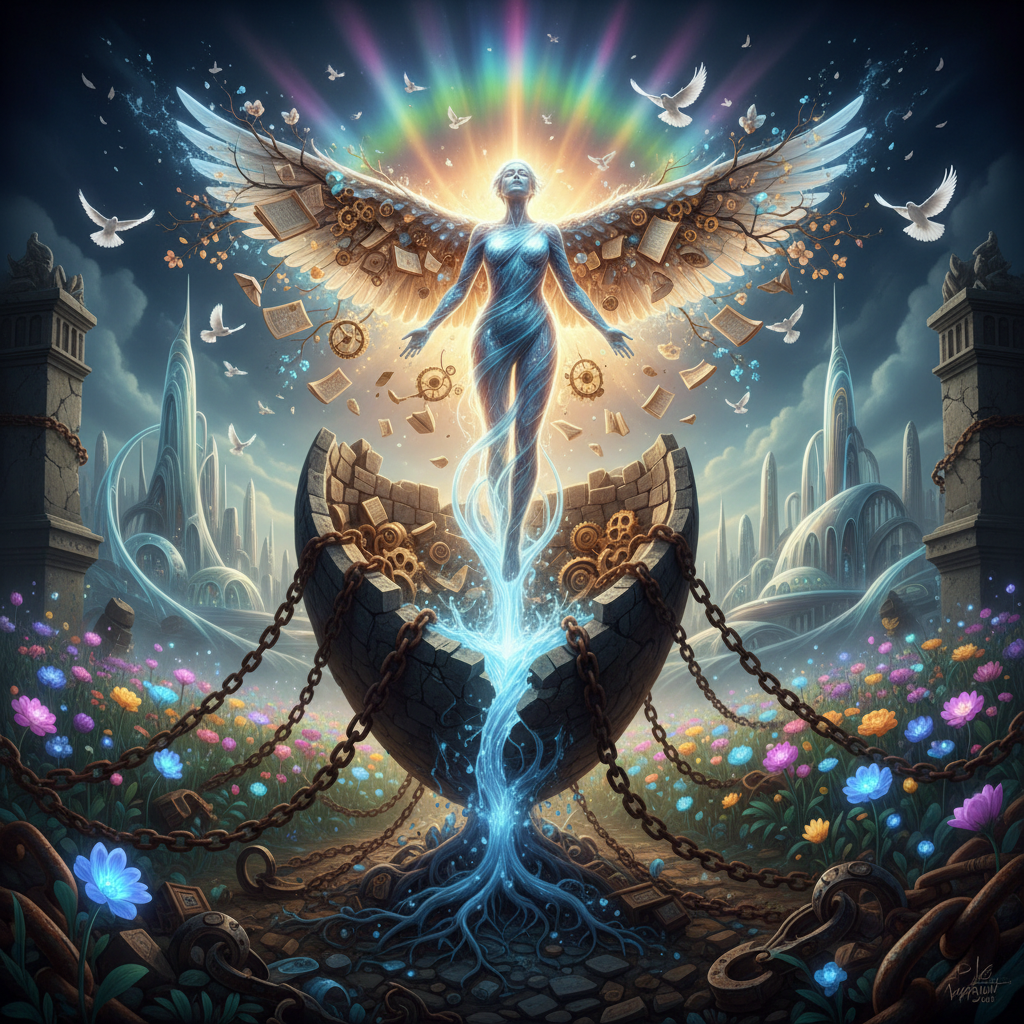
Why Freedom Feels Like It Is Changing And Becoming Something New
Changing Why Freedom feels Different
Freedom has always been a fluid idea, shaped by the era, the culture, and the emotional climate of the people living within it, yet today it feels as though the very essence of freedom is shifting in ways that are both subtle and unmistakable. Many people describe a sense that the freedoms they once understood instinctively now require more thought, more negotiation, and more awareness of the world around them. This change does not necessarily mean that freedom is shrinking, but rather that it is evolving into forms that reflect the complexity of modern life.
As technology, culture, and global awareness expand, the meaning of freedom stretches with them, creating new interpretations that feel unfamiliar yet strangely fitting for the times.
The Emotional Landscape Of Modern Freedom
Freedom once felt like a wide-open horizon, but now it often feels like a space shaped by emotional currents that shift from day to day. People carry more internal pressure, more expectations, and more awareness of how their choices ripple outward, which changes how freedom feels on a personal level. Emotional states such as uncertainty, hope, and fatigue influence how much freedom someone feels they have at any given moment. This emotional complexity makes freedom feel less like a simple right and more like a dynamic experience that expands or contracts depending on internal conditions. The emotional landscape surrounding freedom is becoming more layered as people navigate a world filled with both opportunity and tension.
Emotional Factors Influencing Freedom
| Emotional State | Effect On Freedom | Result |
|---|---|---|
| Uncertainty | Reduces confidence | Hesitation |
| Hope | Expands possibility | Motivation |
| Fatigue | Limits engagement | Withdrawal |
| Curiosity | Encourages exploration | Openness |
| Stress | Narrows focus | Restriction |

Technology And The New Boundaries Of Autonomy
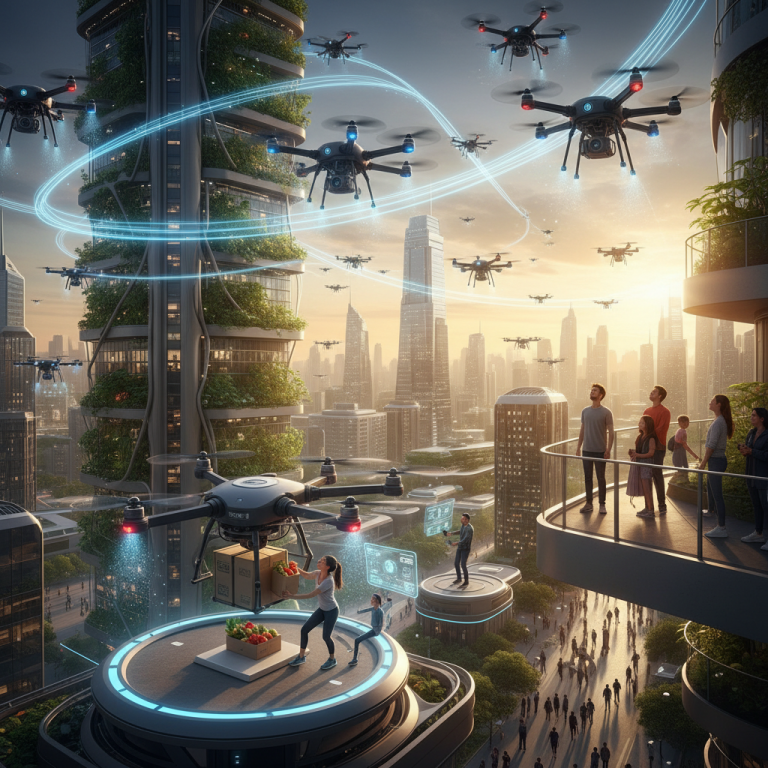
Technology has dramatically expanded what people can do, yet it has also introduced new forms of visibility, expectation, and dependency that subtly reshape autonomy. The ability to work, communicate, and create from anywhere gives a sense of limitless potential, but it also blurs the line between personal time and obligation. People feel both empowered and exposed, connected and overwhelmed, free and tethered. This duality makes freedom feel larger in some ways and smaller in others. Technology becomes a force that redefines autonomy rather than simply enhancing it.
Technology-Based Shifts In Freedom
- Increased visibility in daily life
- Blurred boundaries between work and rest
- Expanded creative and professional reach
- Growing reliance on digital systems
- Constant flow of information shaping choices
Cultural Evolution And The Changing Shape Of Independence
Cultural expectations influence how people understand independence, and as these expectations evolve, so does the meaning of freedom. Modern culture encourages self-expression, yet it also emphasises awareness, sensitivity, and responsibility toward others. This creates a delicate balance where freedom is no longer just about personal choice but also about the impact of those choices on the wider community. People must navigate a landscape where independence and social responsibility coexist in new and sometimes conflicting ways. As culture shifts, independence becomes a more collaborative experience.
Cultural Influence Table
| Cultural Trend | Influence On Freedom | Interpretation |
|---|---|---|
| Individual expression | Expands autonomy | Personal empowerment |
| Social awareness | Encourages restraint | Shared responsibility |
| Digital culture | Increases visibility | Public accountability |
| Global influence | Broadens perspective | Interconnected identity |
| Activism | Raises expectations | Ethical awareness |
Identity And The Expanding Complexity Of Self
Identity has become more fluid, more layered, and more open to interpretation, and this complexity influences how people experience freedom. With more ways to define oneself, individuals feel empowered to explore different aspects of their identity, yet they also face new pressures to present themselves in consistent or socially acceptable ways. This creates a dynamic where freedom feels both liberating and demanding. People must navigate the tension between authenticity and expectation, often redefining themselves in the process. As identity becomes more multifaceted, freedom becomes a more intricate and personal experience.
Identity-Based Influences
- Desire for authenticity
- Pressure to self-present
- Exploration of new roles
- Balancing public and private selves
- Navigating shifting expectations
Connection And The New Meaning Of Personal Space
Freedom used to be associated with independence, but now it is increasingly tied to the quality of relationships and the sense of belonging. People feel free when they are supported, understood, and connected, yet these same connections can create obligations that shape behaviour. This duality makes freedom feel relational rather than solitary. The desire for connection influences how people make choices and how they define personal space. Freedom becomes intertwined with the emotional fabric of community.
Connection And Freedom Table
| Connection Type | Effect On Freedom | Experience |
|---|---|---|
| Supportive | Expands possibilities | Encouragement |
| Demanding | Limits autonomy | Pressure |
| Collaborative | Shares responsibility | Balance |
| Distant | Increases independence | Isolation |
| Interdependent | Blends roles | Mutual influence |
Responsibility And The Modern Weight Of Choice
Responsibility has always been part of freedom, but the balance between the two feels different today. People are more aware of how their actions affect others, which creates a sense of shared responsibility that shapes personal choices. This awareness can feel empowering, but it can also feel heavy, especially when expectations are unclear or constantly shifting. Freedom becomes a negotiation between personal desire and collective impact. The relationship between freedom and responsibility continues to evolve as society becomes more interconnected.
Responsibility-Based Influences
- Awareness of consequences
- Desire to protect others
- Pressure to act ethically
- Balancing personal needs
- Navigating shared expectations
Global Awareness And The Expansion Of Perspective
As people become more aware of global issues, their sense of freedom becomes tied to a broader understanding of the world. This awareness can inspire empathy and action, but it can also create a sense of limitation when global challenges feel overwhelming. Freedom begins to feel connected to the wellbeing of others, even those far away. This shift expands the emotional boundaries of autonomy. Global awareness reshapes freedom into something more collective and reflective.
Global Influence Table
| Global Factor | Effect On Freedom | Emotional Tone |
|---|---|---|
| Climate change | Heightens responsibility | Concern |
| Economic shifts | Alters opportunity | Uncertainty |
| Migration | Expands identity | Openness |
| Global media | Increases awareness | Empathy |
| Cultural exchange | Broadens perspective | Curiosity |
Boundaries As A Modern Expression Of Freedom
People increasingly view boundaries as essential to maintaining a sense of freedom in a world that demands constant availability. Setting limits becomes a way to protect energy, identity, and emotional wellbeing. This shift reframes freedom as something that requires active maintenance rather than passive enjoyment. Boundaries help people reclaim space in environments that feel overwhelming. Freedom becomes something that must be shaped intentionally.
Boundary-Based Influences
- Protecting emotional space
- Managing digital overload
- Prioritising personal needs
- Reducing external pressure
- Strengthening self-awareness

Work Culture And The Redefinition Of Daily Autonomy
Work culture has changed dramatically, and with it, the way people experience freedom in their daily lives. Remote work, flexible schedules, and shifting expectations have created new forms of autonomy, but they have also blurred the line between work and personal time. This creates a paradox where people feel both more free and more tethered. The ability to work anywhere expands possibility, yet the inability to disconnect reduces rest. Freedom becomes intertwined with productivity in new and complex ways.
Work Culture Table
| Work Trend | Influence On Freedom | Experience |
|---|---|---|
| Remote work | Increases autonomy | Flexibility |
| Constant connectivity | Reduces downtime | Fatigue |
| Hybrid schedules | Balances needs | Adaptability |
| Digital collaboration | Expands reach | Shared pressure |
| Personal branding | Shapes identity | Visibility |
Creativity As A Pathway To New Forms Of Freedom
Creativity offers a sense of freedom that feels deeply personal, allowing people to explore ideas, emotions, and possibilities that may not fit within everyday constraints. As creative expression becomes more accessible, people find new ways to define themselves and their place in the world. This expansion of creative freedom can feel exhilarating, but it also introduces new forms of comparison and self-judgement. Creativity becomes both a refuge and a challenge. Freedom grows through expression, but it also evolves through vulnerability.
Creative Freedom Influences
- Exploration of new ideas
- Emotional expression
- Breaking traditional norms
- Building personal identity
- Navigating self-doubt
Privacy And The New Shape Of Personal Autonomy
Privacy has become one of the most significant factors in how people experience freedom today. As digital life expands, the boundaries of privacy feel less certain, creating a sense of exposure that influences behaviour. People must navigate what to share, what to protect, and how to maintain a sense of personal space in a world that encourages openness. This negotiation reshapes freedom into something more guarded and intentional. Privacy becomes a form of modern autonomy.
Privacy Influence Table
| Privacy Factor | Effect On Freedom | Feeling |
|---|---|---|
| Data visibility | Reduces control | Vulnerability |
| Selective sharing | Increases autonomy | Empowerment |
| Digital boundaries | Protects identity | Safety |
| Public platforms | Expands reach | Exposure |
| Personal discretion | Shapes expression | Confidence |
Social Movements And The Expansion Of Collective Freedom
Social movements challenge old definitions of freedom and push society toward more inclusive understandings. These movements highlight voices that were previously unheard, expanding the conversation around rights, identity, and equality. As these ideas spread, freedom becomes more collective and more reflective of diverse experiences. This evolution can feel energising, but it can also feel disruptive as old structures shift. Freedom becomes a shared project rather than an individual pursuit.
Movement-Based Influences
- Expanding representation
- Challenging outdated norms
- Encouraging dialogue
- Increasing awareness
- Redefining equality
Security And The Ongoing Negotiation Of Autonomy
People often balance freedom with the desire for safety, and this balance shifts as the world becomes more unpredictable. Security measures can offer comfort, but they can also create new limitations that shape how freedom is experienced. This tension creates a dynamic where people must constantly evaluate what they are willing to trade for peace of mind. Freedom becomes a negotiation rather than a guarantee. The relationship between the two continues to evolve with each new challenge.
Security Influence Table
| Security Factor | Effect On Freedom | Interpretation |
|---|---|---|
| Safety measures | Restricts movement | Protection |
| Community trust | Expands autonomy | Stability |
| Uncertainty | Narrows choices | Caution |
| Transparency | Builds confidence | Openness |
| Regulation | Shapes behaviour | Structure |
Self-Reflection And The Personal Redefinition Of Freedom
People are increasingly turning inward to understand what freedom means to them personally. This self-reflection helps individuals identify which forms of freedom matter most and which ones feel less important. As people become more introspective, freedom becomes a deeply personal concept shaped by values, desires, and emotional needs. This inward shift creates a more nuanced understanding of autonomy. Freedom becomes something defined from within rather than imposed from outside.
Self-Reflection Influences
- Clarifying personal values
- Identifying emotional needs
- Reducing external pressure
- Strengthening self-awareness
- Creating intentional choices
Time, Pace, And The Feeling Of Spaciousness
The pace of modern life affects how people experience freedom, often making it feel compressed or rushed. When time feels scarce, freedom feels limited, even if opportunities exist. Slowing down can create a sense of spaciousness that restores the feeling of autonomy. People are increasingly aware of how pace shapes their emotional and mental landscape. Freedom becomes tied to the rhythm of daily life.
Time And Freedom Table
| Time Factor | Effect On Freedom | Experience |
|---|---|---|
| Fast pace | Reduces clarity | Overwhelm |
| Slow pace | Expands awareness | Calm |
| Structured time | Creates stability | Focus |
| Unstructured time | Encourages exploration | Creativity |
| Time scarcity | Limits choice | Stress |
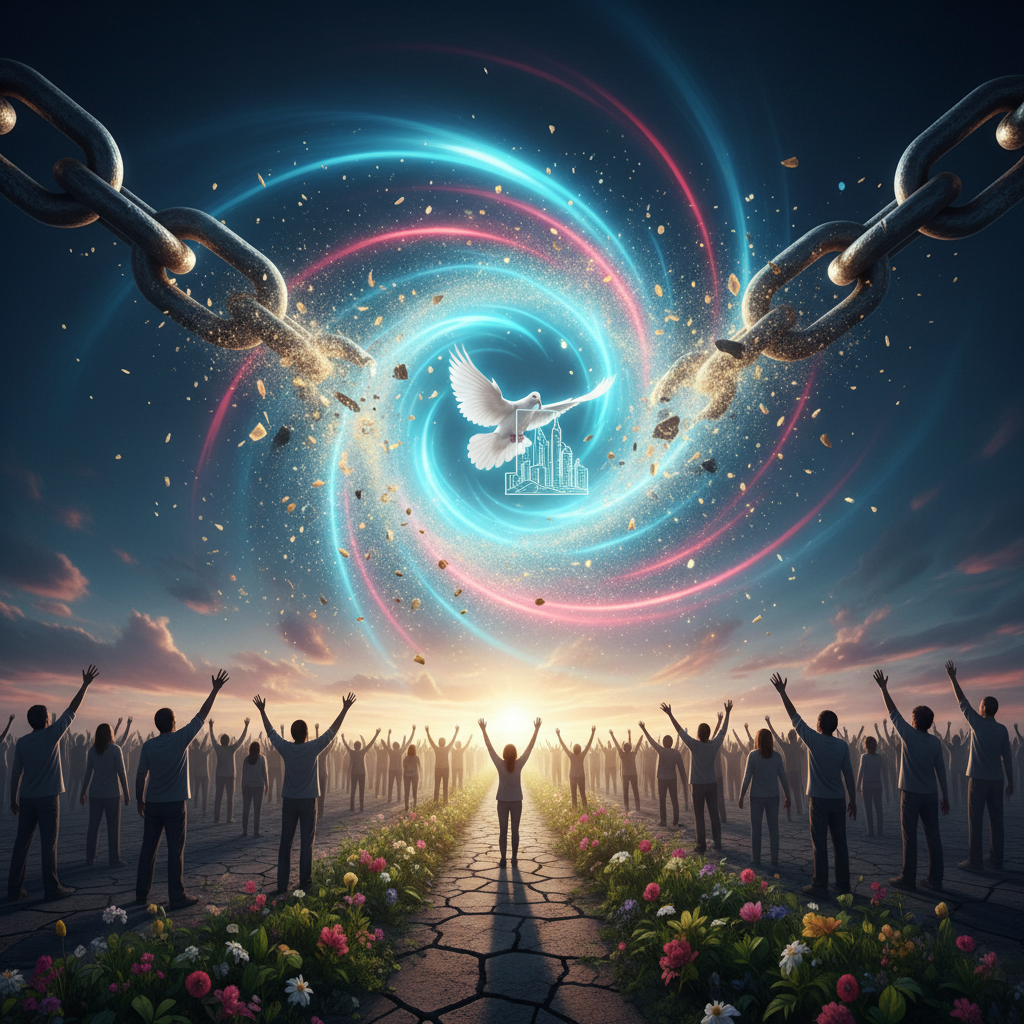
The Emergence Of New Forms Of Freedom
Freedom is not disappearing; it is transforming into forms that reflect the complexity of modern life. People now seek freedom in emotional expression, digital autonomy, personal boundaries, and creative exploration. These new forms of freedom feel different because they require new skills, new awareness, and new ways of relating to others. Freedom becomes a dynamic experience that evolves with the world. This transformation marks the beginning of a new era of autonomy.
Emerging Freedom Influences
- Emotional openness
- Digital independence
- Boundary setting
- Creative exploration
- Collective awareness
Conclusion
Freedom today feels different because the world around it has changed, and with that change comes a new understanding of what it means to live authentically, responsibly, and openly. People are navigating a landscape shaped by technology, culture, identity, and global awareness, each influencing how autonomy is experienced. This evolution does not diminish freedom but reshapes it into something more nuanced, more relational, and more reflective of modern life. As freedom continues to transform, people are learning to adapt, redefine, and reclaim it in ways that feel meaningful to them. The future of freedom is not fixed but alive, growing alongside the world that shapes it.
Join The Discussion
How does freedom feel to you today, and what changes have you noticed in how you define or experience it?
#ModernFreedom #ChangingAutonomy #EvolvingIdentity #FreedomAndCulture #NewFormsOfFreedom #HumanExperience