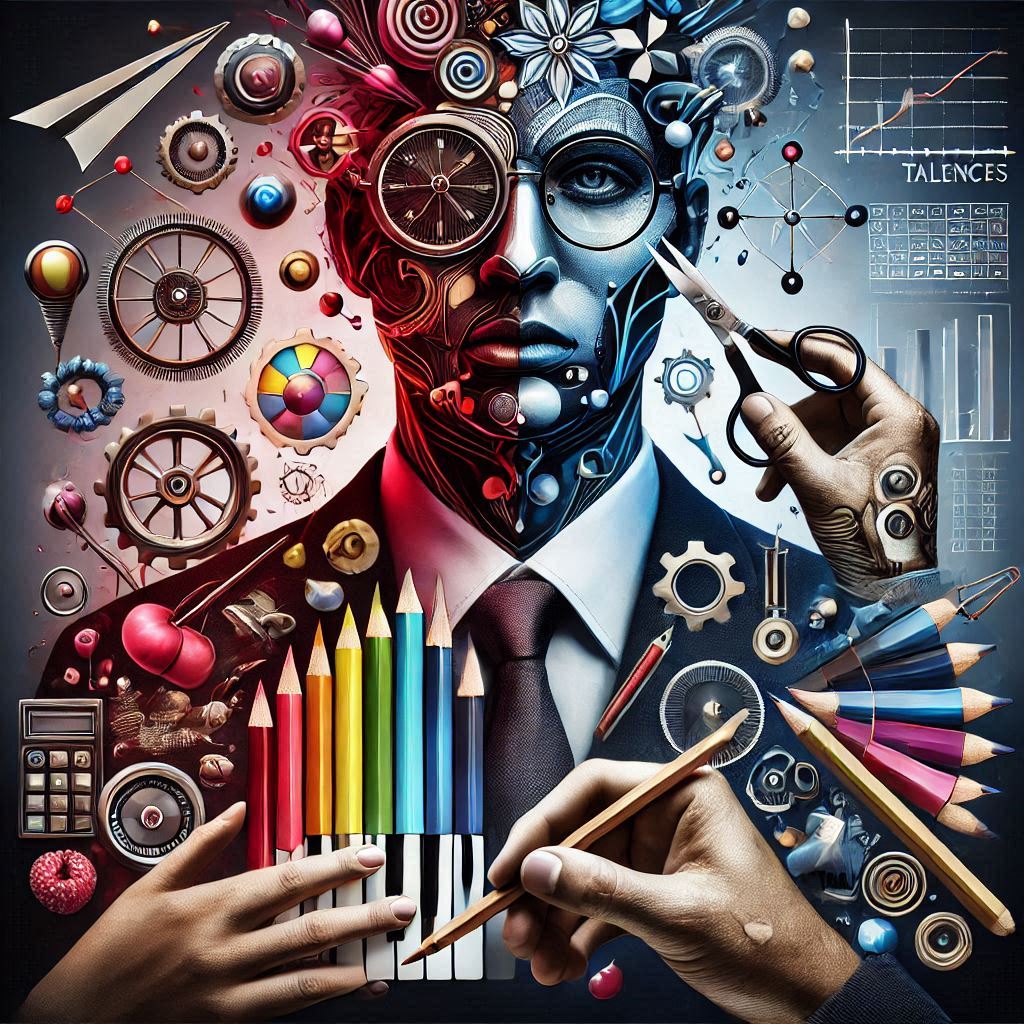
How Skills And Talents Shape Human Growth And Personal Direction
Shape Human Growth
Skills and talents influence human behaviour in ways that often go unnoticed, yet they quietly shape how people grow, adapt, and express themselves. Talents tend to appear naturally, offering a sense of ease that feels instinctive, while skills develop through repetition and deliberate effort. These two forces interact throughout life, guiding choices, shaping identity, and influencing long‑term behaviour. People often discover their talents early, but skills continue to evolve as they practice and refine their abilities.
The psychological side of this process plays a major role in how individuals respond to challenges and opportunities. Talents may spark initial interest, but skills sustain progress. Over time, the blend of both creates a foundation for confidence and resilience. This combination influences how people approach learning, creativity, and personal development. Exploring the differences between skills and talents can reveal how individuals grow in unique ways. This piece examines the psychological forces behind these abilities and how they shape personal direction. The journey between talent and skill becomes a story of growth, discovery, and self‑expression.

The Nature Of Skills
Skills develop through repetition, practice, and consistent effort, gradually becoming more reliable as the brain forms stronger pathways. People often notice improvement in small increments rather than sudden leaps. Skills require patience because progress builds slowly over time. They depend on feedback, which helps refine technique and strengthen performance.
Skills also encourage discipline, as individuals must commit to regular practice. Over time, skills become automatic, allowing people to perform tasks with greater ease. This automaticity reflects the brain’s ability to adapt through repetition. Skills can be learned at any age, making them accessible to anyone willing to invest effort. They also shape long‑term behaviour by creating dependable patterns. Skills influence how people approach challenges and opportunities. They become part of personal identity as they develop.
Skill Development Table
| Skill Type | Source | Effect | Long‑Term Influence |
|---|---|---|---|
| Technical skills | Practice | Precision | Consistent performance |
| Cognitive skills | Repetition | Clarity | Improved processing |
| Social skills | Interaction | Connection | Stronger relationships |
| Creative skills | Exploration | Expression | Innovative thinking |
| Physical skills | Training | Coordination | Reliable movement |
The Nature Of Talents
Talents often appear naturally, revealing themselves through ease, instinct, or early proficiency. People may notice that certain tasks feel intuitive without structured training. Talents can create early confidence because they offer a sense of flow. These natural abilities often influence how individuals choose activities or interests. Talents may emerge in childhood but can appear at any stage of life. They shape how people respond to new experiences. Talents can also influence learning speed, making some tasks easier to grasp. Natural ability often sparks curiosity and exploration. Talents become part of personal identity as they develop. They influence long‑term behaviour by shaping preferences. Talents complement skills by providing a foundation for growth.
Talent Influence Points
- Talents emerge naturally
- Certain tasks feel intuitive
- Talents create early confidence
- Natural ability shapes learning speed
- Talents influence activity choices
- Flow states often accompany talent
- Talents support exploration
- Natural ease encourages engagement
- Talents shape personal identity
- Talents can appear at any age
- Talents complement learned skills
How Skills And Talents Interact
Skills and talents often work together, creating a balanced foundation for personal growth. Talents may provide a head start, while skills refine performance through deliberate practice. This interaction influences how quickly someone improves. People with natural ability may still need structured training to reach their full potential. Those without natural talent can still excel through dedication and consistency. The combination of talent and skill creates long‑term reliability. This blend shapes how individuals approach challenges and opportunities. Skills strengthen talent by adding structure. Talents enhance skills by adding instinctive ease. Over time, the interaction between skills and talents becomes part of personal development. This relationship influences long‑term behaviour.
Skill And Talent Table
| Element | Talent Contribution | Skill Contribution | Combined Effect |
|---|---|---|---|
| Creativity | Intuition | Technique | Expression |
| Communication | Social ease | Refinement | Clarity |
| Problem‑solving | Insight | Strategy | Effective decisions |
| Movement | Natural rhythm | Training | Precision |
| Learning | Quick grasp | Practice | Mastery |
The Psychological Roots Of Skill Growth
Skill growth depends heavily on motivation, focus, and emotional steadiness. People learn more effectively when they feel engaged and curious. Motivation creates momentum during challenging moments. Focus helps individuals refine technique and avoid distraction. Emotional steadiness supports consistent performance. Skills develop more quickly when people feel calm and attentive. Feedback also plays a major role in shaping improvement. This feedback helps individuals adjust their approach and refine their abilities. Over time, psychological factors shape long‑term skill development. These factors influence how people learn in all areas of life. Skill growth becomes a reflection of internal motivation and resilience.
Skill Psychology Points
- Motivation fuels progress
- Focus sharpens technique
- Emotional steadiness supports consistency
- Curiosity encourages exploration
- Feedback guides improvement
- Calmness enhances performance
- Psychological factors shape learning
- Skills reflect internal resilience
- Engagement strengthens growth
- Reflection supports refinement
- Skill development mirrors personal evolution
The Emotional Side Of Talent
Talents often carry emotional significance because they feel deeply personal. People may feel proud of their natural abilities. Talents can shape identity by influencing how individuals see themselves. They may also influence how people relate to others. Emotional connection to talent can shape long‑term behaviour. People often feel motivated to develop their talents further. Talents can also create vulnerability when individuals fear losing their natural advantage. This emotional complexity influences how people grow. Talents can inspire confidence or self‑doubt depending on context. Over time, emotional ties to talent shape personal direction. Talents become part of personal narrative.
Talent Emotion Table
| Emotional Element | Effect | Behavioural Influence | Long‑Term Impact |
|---|---|---|---|
| Pride | Confidence | Engagement | Growth |
| Vulnerability | Sensitivity | Caution | Reflection |
| Joy | Motivation | Exploration | Development |
| Identity | Self‑image | Direction | Consistency |
| Connection | Belonging | Expression | Fulfilment |

How Practice Strengthens Skill Reliability
Practice reinforces the pathways that support skill performance. Each repetition strengthens coordination and clarity. People often notice improvement after consistent effort. Practice helps refine technique and build confidence. It also creates automaticity, allowing tasks to feel more natural. Repetition reduces cognitive load, making performance smoother. Practice shapes long‑term reliability by creating dependable patterns. People can then focus on creativity rather than mechanics. Practice also builds resilience by teaching persistence. Over time, practice becomes a foundation for mastery. Skill becomes more dependable with each repetition.
Practice Points
- Repetition strengthens performance
- Practice refines technique
- Consistency builds confidence
- Automaticity reduces cognitive load
- Practice shapes reliability
- Persistence supports growth
- Practice encourages resilience
- Improvement emerges gradually
- Practice strengthens coordination
- Repetition creates stability
- Practice supports long‑term mastery
Why Some People Learn Faster
Learning speed varies widely due to a mix of talent, motivation, and environmental support. People with natural ability may progress quickly at first. However, motivation can accelerate learning even without talent. Supportive environments also influence learning speed. Some individuals thrive when surrounded by encouragement. Others progress through determination and persistence. Learning speed reflects psychological diversity. People improve at different rates depending on their internal and external conditions. Over time, consistency becomes more important than speed. Learning becomes a personal journey rather than a race.
Learning Speed Table
| Learning Factor | Influence | Effect | Behavioural Outcome |
|---|---|---|---|
| Talent | Early ease | Quick start | Initial confidence |
| Motivation | Drive | Momentum | Continued progress |
| Environment | Support | Stability | Effective learning |
| Persistence | Effort | Growth | Long‑term success |
| Curiosity | Engagement | Exploration | Deeper learning |
The Role Of Environment In Development
Environment shapes how people develop both skills and talents. Supportive surroundings encourage exploration and growth. Calm spaces help individuals focus. Challenging environments can strengthen resilience. People often learn more effectively when they feel safe. Environmental cues influence emotional tone. They also shape behavioural patterns. Over time, environment becomes part of learning habits. People may seek surroundings that support their strengths. These environments influence long‑term behaviour. Environment plays a quiet but powerful role in development.
Environment Points
- Surroundings shape behaviour
- Calm spaces support focus
- Supportive environments encourage growth
- Challenging settings build resilience
- Environment influences emotional tone
- People learn better when they feel safe
- Environmental cues shape habits
- Surroundings affect motivation
- Environment influences long‑term patterns
- People seek spaces that support strengths
- Environment guides personal development
How Identity Shapes Skill And Talent Use
Identity influences how people express their skills and talents. Individuals often choose activities that align with their self‑image. This alignment creates consistency and confidence. People may feel more motivated when their abilities match their identity. Skills can reinforce identity by providing structure. Talents can shape identity by offering natural ease. Identity influences long‑term behaviour by guiding choices. People develop abilities that feel authentic to who they are. Identity becomes a compass for personal direction. Over time, identity shapes how people grow. Skills and talents become expressions of self.
Identity Table
| Identity Element | Influence | Effect | Behavioural Outcome |
|---|---|---|---|
| Self‑image | Alignment | Confidence | Consistency |
| Values | Direction | Motivation | Growth |
| Personal story | Meaning | Engagement | Development |
| Social identity | Connection | Expression | Interaction |
| Aspirations | Focus | Persistence | Achievement |

The Long‑Term Impact Of Skills
Skills shape long‑term behaviour by creating reliable patterns that support daily life. People rely on their skills without thinking once they become automatic. Skills influence how individuals approach challenges. They also shape how people solve problems. Skills create stability by offering dependable performance. Over time, skills become part of personal identity. They influence career choices and personal interests. Skills also support resilience by providing structure. People often feel more confident when they rely on well‑developed skills. Skills shape long‑term direction. They become part of personal evolution.
Skill Impact Points
- Skills create reliable patterns
- Automaticity supports ease
- Skills influence problem‑solving
- Skills shape confidence
- Skills support resilience
- Skills guide career choices
- Skills become part of identity
- Skills influence long‑term behaviour
- Skills provide structure
- Skills shape personal direction
- Skills support lifelong growth
The Long‑Term Impact Of Talents
Talents shape long‑term behaviour by influencing preferences and natural inclinations. People often gravitate toward activities that highlight their talents. Talents create a sense of flow that encourages engagement. They also shape identity by offering a sense of uniqueness. Talents influence how individuals respond to new opportunities. People may feel more confident when using their natural abilities. Talents can guide career paths and personal interests. They also shape social interactions by influencing how people express themselves. Over time, talents become part of personal narrative. Talents shape long‑term direction. They contribute to lifelong growth.
Talent Impact Table
| Talent Element | Effect | Behavioural Influence | Long‑Term Outcome |
|---|---|---|---|
| Natural ease | Confidence | Engagement | Growth |
| Flow | Enjoyment | Persistence | Development |
| Identity | Self‑image | Direction | Consistency |
| Preference | Choice | Motivation | Fulfilment |
| Expression | Creativity | Interaction | Connection |
Conclusion
Skills and talents shape human behaviour in unique and powerful ways. Skills grow through repetition, while talents emerge naturally. Together, they influence how people approach challenges, opportunities, and personal growth. Skills provide structure, while talents offer instinctive ease. Psychological factors such as motivation, focus, and emotional steadiness shape how both develop. Environment and identity also play important roles in this process. Over time, skills and talents become part of personal direction. They influence how individuals express themselves and navigate life. The blend of natural ability and learned technique creates long‑term reliability. Ultimately, skills and talents guide personal evolution in meaningful ways.