The Dependent Use Of Water Bottles And The Comfort That Comes
Water Bottles
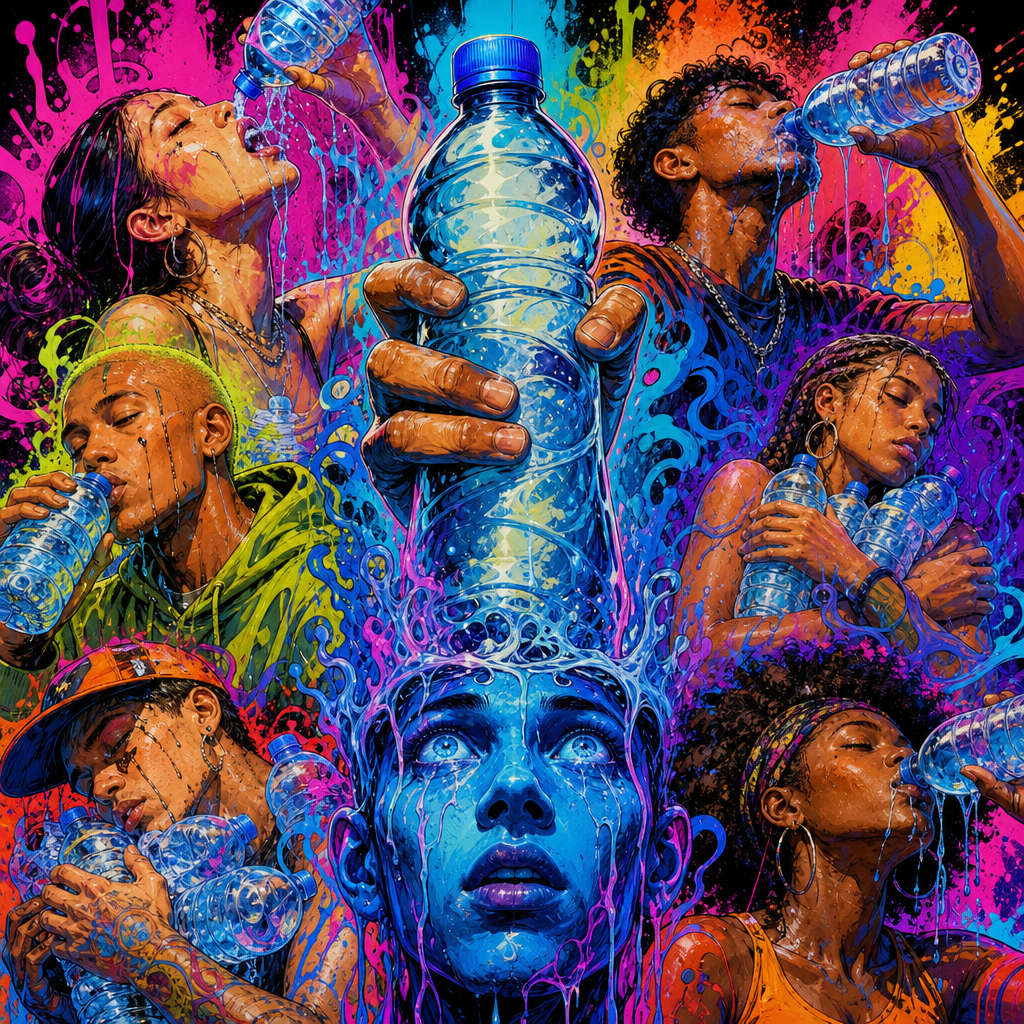
The dependent use of water bottles has woven itself into modern life so quietly that most people barely notice how deeply the habit has settled into their routines. The bottle becomes a constant companion, drifting from hand to desk to car seat with the same familiarity as a thought that never fully leaves the mind. Its presence is subtle but persistent, shaping the rhythm of the day in ways that feel almost invisible. Over time, the bottle stops being an object and becomes part of the emotional landscape of daily living.
People carry their bottles everywhere, often without questioning why. The bottle becomes an extension of the self, a small anchor that offers reassurance simply by existing within reach. Its weight in a bag or hand creates a sense of readiness, as if one essential need has already been accounted for. This quiet comfort grows from repetition, turning a practical item into something that feels strangely personal. The bottle becomes a symbol of being prepared for whatever the day might bring.
The emotional connection deepens as the habit becomes routine. Knowing that hydration is always available creates a subtle sense of stability, a feeling that one small part of life is under control. In a world that often feels unpredictable, this tiny pocket of certainty becomes soothing. The bottle represents a form of self‑care that requires no effort — a simple, reliable gesture toward one’s own wellbeing. It becomes a reminder that tending to the body is part of tending to the mind.
As the bottle moves through different environments, it shapes behaviour in ways people rarely acknowledge. It influences how they plan their day, where they pause, when they refill, and how they navigate transitions. The bottle becomes a quiet guide, directing small decisions that accumulate into patterns. It slips into bags, cars, desks, and hands with the ease of something that has earned its place through familiarity rather than necessity.
The habit begins with convenience, but over time it becomes emotional. The bottle offers comfort during stressful moments, grounding during busy days, and a sense of continuity when life feels scattered. It becomes a small ritual — the twist of a lid, the weight of a sip, the presence of something familiar in unfamiliar spaces. These rituals create a sense of rhythm, turning hydration into a moment of pause rather than a task.
The bottle also reflects broader cultural patterns. Modern life encourages constant movement, multitasking, and the need to stay prepared. The water bottle fits seamlessly into this mindset, offering a portable form of nourishment that aligns with the pace of contemporary living. It becomes a symbol of adaptability, a quiet companion that supports the body while the mind navigates the demands of the day.
Over time, the bottle becomes part of personal identity. People choose shapes, colours, textures, and materials that reflect their preferences, routines, and emotional needs. A favourite bottle can feel like a trusted object, one that carries the imprint of daily life — scratches from travel, dents from use, fingerprints from countless moments of reaching for comfort. These marks become part of its story, part of the person’s story.
In the end, the dependent use of water bottles becomes an interesting reflection of modern habits. It reveals how people seek stability in small objects, how they build emotional connections with practical tools, and how everyday routines become symbols of care. The bottle is more than a container; it is a quiet companion that shapes behaviour, supports wellbeing, and mirrors the subtle ways people try to create order in a busy world.
The dependant use of water bottles has become a quiet part of modern life, shaping how people move through their days without even noticing the habit forming. Many carry them everywhere, treating them almost like an extension of themselves. The bottle becomes a small anchor that offers comfort, familiarity, and a sense of readiness. People feel more at ease when they know hydration is within reach.
The habit grows from convenience but becomes emotional over time. The bottle represents preparation, stability, and a small form of control in a busy world. It becomes part of routines, slipping into bags, cars, desks, and hands. The presence of the bottle shapes behaviour in subtle ways. It influences how people plan their day. It becomes a symbol of care for oneself. And in that symbolism, the dependant use of water bottles becomes an interesting reflection of modern habits.
The Comfort That Comes From Carrying Water
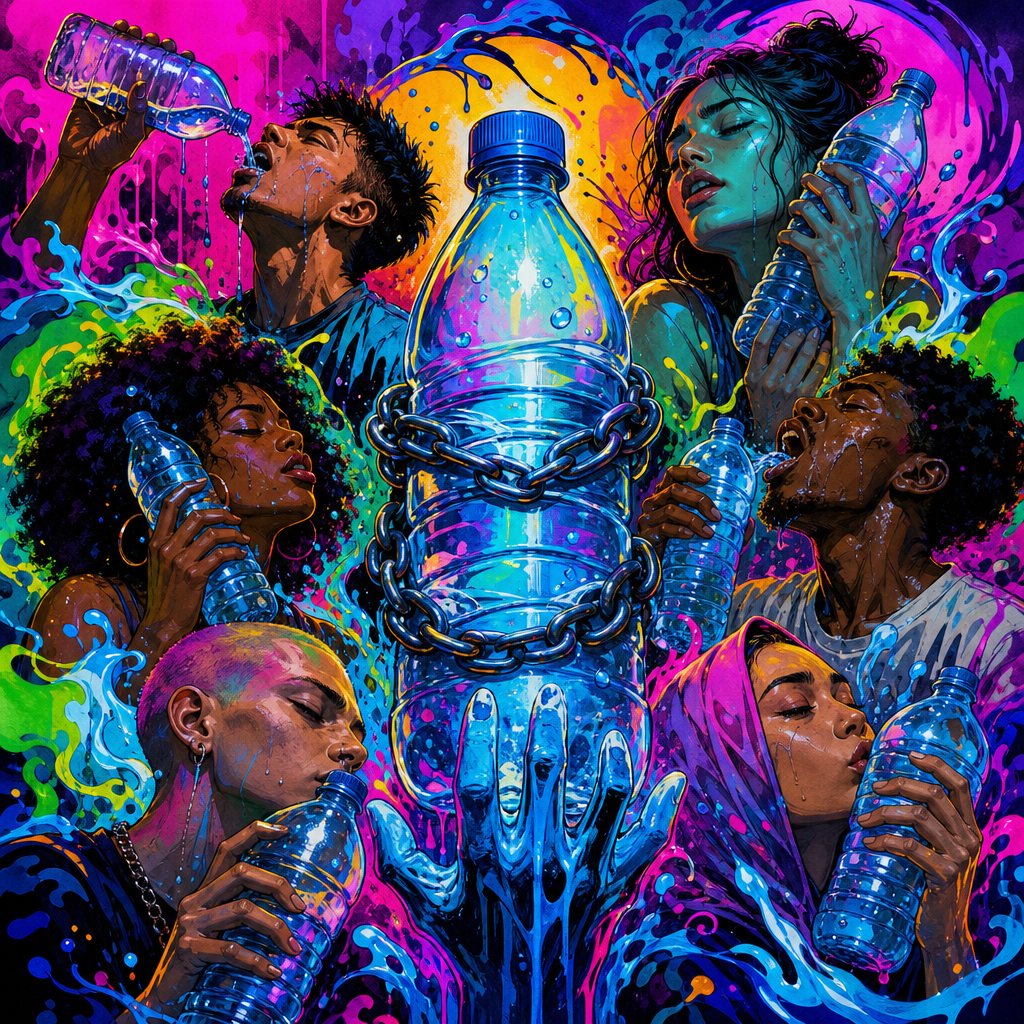
Carrying a water bottle offers comfort because it creates a sense of security throughout the day. People feel reassured knowing they have what they need. The bottle becomes a small companion. It reduces the worry of being caught without hydration. The comfort grows with routine. The bottle becomes part of the daily rhythm. People reach for it without thinking. The familiarity becomes soothing. The comfort shapes emotional ease. It becomes a quiet support. And in that support, the dependant use of water bottles begins to make sense.
Comfort Traits
| Trait | Effect | Emotional Tone |
|---|---|---|
| Familiar object | Creates ease | Calm |
| Constant access | Reduces worry | Warmth |
| Predictable presence | Supports routine | Balance |
| Personal item | Builds comfort | Peace |
The Convenience That Shapes Habit
The convenience of having water available at all times encourages people to rely on their bottles more than they realise. The ease becomes part of the appeal. People enjoy not having to search for a drink. The convenience shapes behaviour. It encourages constant sipping. The habit becomes automatic. People feel more prepared. The convenience supports daily flow. It reduces interruptions. And in that smooth flow, the dependant use of water bottles becomes natural.
Convenience Points
- Easy access
- Reduced effort
- Smooth routine
- Constant availability
- Gentle support
The Emotional Attachment That Forms Over Time
People often develop emotional attachment to their water bottles without noticing the shift. The bottle becomes familiar. It carries memories of daily routines. The attachment grows through repetition. People feel connected to the object. The bottle becomes part of their identity. It represents care and consistency. The attachment shapes behaviour. It influences how people move through their day. And in that emotional link, the dependant use of water bottles becomes personal.
Attachment Traits
| Trait | Effect | Emotional Feeling |
|---|---|---|
| Familiar shape | Builds connection | Warmth |
| Daily presence | Encourages trust | Ease |
| Personal choice | Reflects identity | Calm |
| Emotional comfort | Deepens attachment | Balance |
The Routine That Becomes Automatic
The dependant use of water bottles often grows from routine that becomes automatic over time. People reach for their bottle without thinking. The action becomes part of their rhythm. The routine shapes behaviour. It creates predictability. People feel grounded by familiar habits. The bottle becomes part of that grounding. The routine supports emotional steadiness. It reduces decision‑making. The habit becomes effortless. And in that effortlessness, the dependant use of water bottles becomes ingrained.
Routine Points
- Automatic action
- Familiar rhythm
- Reduced decisions
- Emotional steadiness
- Gentle repetition
The Sense Of Control That Bottles Provide
Water bottles offer a sense of control in a world that often feels unpredictable. People appreciate having something reliable. The bottle becomes a small anchor. It represents readiness. The sense of control reduces stress. People feel more capable when they have what they need. The bottle becomes a symbol of self‑care. It shapes emotional comfort. The control becomes reassuring. And in that reassurance, the dependant use of water bottles becomes understandable.
Control Traits
| Trait | Effect | Emotional Tone |
|---|---|---|
| Reliable access | Builds confidence | Ease |
| Personal choice | Encourages autonomy | Warmth |
| Predictable supply | Reduces tension | Calm |
| Steady presence | Supports comfort | Balance |
The Social Influence Behind The Habit
The dependant use of water bottles is often shaped by social influence, as people see others carrying them everywhere. The habit spreads through observation. People adopt what they see. The bottle becomes part of social norms. It signals care for oneself. The influence shapes behaviour. People feel encouraged to carry their own. The habit becomes shared. It creates a sense of belonging. And in that belonging, the dependant use of water bottles becomes widespread.
Social Points
- Shared habits
- Visible influence
- Normalised behaviour
- Group identity
- Emotional alignment

The Practicality That Encourages Dependence
Water bottles offer practicality that encourages people to rely on them more than expected. The practicality becomes appealing. People enjoy having water on hand. It reduces the need to buy drinks. The bottle becomes a practical tool. The usefulness shapes behaviour. People feel more organised. The practicality supports daily flow. It becomes part of planning. And in that planning, the dependant use of water bottles becomes logical.
Practicality Traits
| Trait | Effect | Emotional Feeling |
|---|---|---|
| Useful design | Encourages use | Warmth |
| Easy transport | Supports movement | Ease |
| Refillable nature | Builds routine | Calm |
| Simple function | Deepens reliance | Balance |
The Emotional Calm That Comes From Hydration
Hydration creates emotional calm, and the bottle becomes a symbol of that calm. People feel better when they drink regularly. The bottle supports that feeling. It becomes a reminder to care for oneself. The calm grows with each sip. People associate the bottle with comfort. The emotional link strengthens the habit. The calm becomes part of the experience. It shapes how people view their bottle. And in that calm, the dependant use of water bottles becomes soothing.
Calm Points
- Emotional ease
- Gentle reminders
- Steady comfort
- Supportive presence
- Softened tension
The Identity That Forms Around The Bottle
People often choose water bottles that reflect their personality, creating identity through design and style. The bottle becomes expressive. It shows preference and taste. The identity shapes attachment. People feel connected to their choice. The bottle becomes part of their daily look. It blends with their lifestyle. The identity strengthens the habit. It becomes more than a tool. And in that identity, the dependant use of water bottles becomes meaningful.
Identity Traits
| Trait | Effect | Emotional Tone |
|---|---|---|
| Personal style | Builds pride | Warmth |
| Chosen design | Encourages connection | Ease |
| Familiar object | Supports comfort | Calm |
| Daily accessory | Deepens attachment | Balance |
The Emotional Security Of Always Being Prepared
Carrying a water bottle creates emotional security because it ensures people are always prepared. The preparation feels comforting. It reduces worry. People feel more in control. The bottle becomes a symbol of readiness. The security shapes behaviour. It encourages confidence. The feeling becomes part of daily life. The preparation becomes habitual. And in that security, the dependant use of water bottles becomes reassuring.
Security Points
- Emotional readiness
- Reduced worry
- Gentle confidence
- Predictable comfort
- Supportive habit
The Quiet Ritual Of Refilling
Refilling a water bottle becomes a quiet ritual that shapes the rhythm of the day. The act feels grounding. It creates a moment of pause. People enjoy the simplicity. The ritual becomes familiar. It supports mindfulness. The refilling becomes symbolic. It represents renewal. The moment becomes calming. The ritual shapes emotional tone. And in that tone, the dependant use of water bottles becomes reflective.
Ritual Traits
| Trait | Effect | Emotional Feeling |
|---|---|---|
| Simple action | Encourages calm | Ease |
| Familiar routine | Builds comfort | Warmth |
| Gentle pause | Supports reflection | Peace |
| Repetitive motion | Deepens grounding | Balance |

The Emotional Reward Of Staying Hydrated
People feel emotionally rewarded when they stay hydrated, and the bottle becomes part of that reward. The feeling encourages continued use. It creates positive association. People enjoy the sense of wellbeing. The reward shapes behaviour. It strengthens the habit. The bottle becomes a tool for feeling good. The emotional reward becomes motivating. It supports consistency. And in that consistency, the dependant use of water bottles becomes reinforced.
Reward Points
- Positive feeling
- Gentle motivation
- Emotional uplift
- Consistent habit
- Supportive rhythm
Conclusion
The dependant use of water bottles grows from comfort, convenience, emotional attachment, and the quiet rituals that shape daily life. The bottle becomes a companion that offers security and ease. It supports routines, identity, and emotional steadiness. People rely on it because it fits naturally into their day. The habit becomes part of their rhythm. It reflects care for oneself and a desire for readiness. The bottle becomes more than an object; it becomes a symbol of comfort and control. The emotional connection strengthens over time. The routine becomes effortless. And in that effortless rhythm, the dependant use of water bottles becomes a meaningful part of modern life.