

The Excitement Of Dogs When You Get Home
Excitement Of Dogs
The excitement of dogs when you get home is one of the purest emotional experiences people encounter in everyday life, creating a moment that feels warm, honest, and deeply connecting. Dogs react with a level of enthusiasm that cuts through stress and instantly shifts the atmosphere of a room. Their joy feels genuine, unfiltered, and rooted in loyalty. This excitement becomes a ritual that shapes the bond between humans and their dogs.
It turns an ordinary return home into a celebration. The moment carries emotional weight because it reflects unconditional affection. Dogs express their happiness through movement, sound, and presence. Their excitement becomes a reminder of companionship. It also highlights the emotional intelligence dogs bring into human spaces. The greeting becomes a symbol of trust and attachment.
The Emotional Burst Dogs Feel When You Arrive
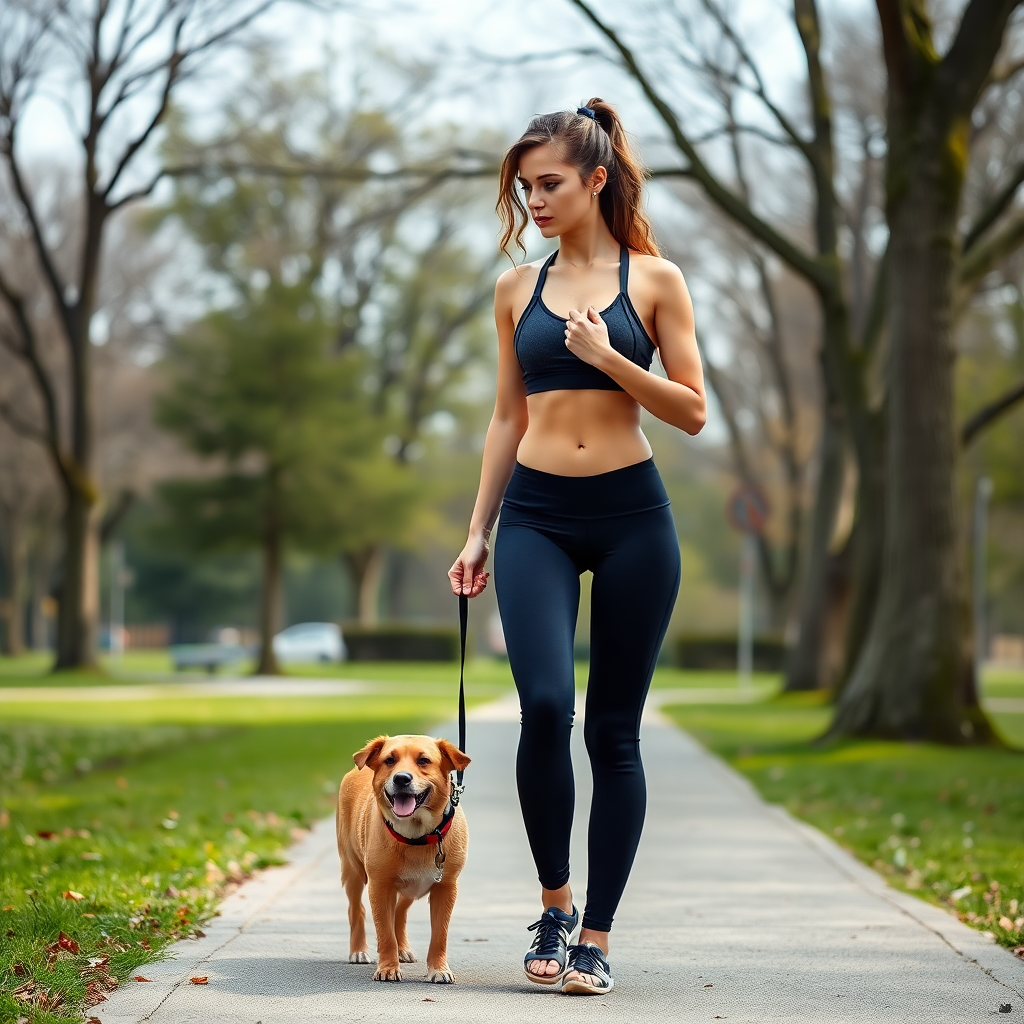
Dogs experience an emotional burst the moment they hear familiar footsteps or the sound of a key turning. Their anticipation builds quickly. This burst becomes a wave of excitement that spreads through their entire body. Dogs express this emotion through wagging, pacing, or vocalising. The emotional burst reflects their attachment. It shows how deeply they value your presence. Dogs feel secure when you return. The burst becomes a release of stored energy. It shapes the greeting ritual. The moment becomes a highlight of their day. The emotional burst strengthens the bond.
Emotional Burst Elements
| Element | Description | Influence | Effect |
|---|---|---|---|
| Anticipation | Rising excitement | Shapes behaviour | Energy |
| Recognition | Familiar cues | Builds joy | Warmth |
| Emotional release | Stored feelings | Creates movement | Liveliness |
| Attachment | Strong bond | Influences reaction | Loyalty |
| Comfort | Sense of safety | Shapes mood | Calmness |
The Body Language Dogs Use To Show Joy
Dogs communicate excitement through expressive body language that feels unmistakable. Their tails move rapidly. Their posture becomes lively. Dogs may bounce or shift their weight. Their eyes brighten. Body language becomes a visual expression of happiness. Dogs use movement to show affection. Their gestures reflect emotional connection. Body language shapes the greeting experience. It becomes a form of communication. Dogs express joy without hesitation. Their bodies reveal their feelings.
Joyful Body Language Traits
- Rapid tail movement
- Brightened eyes
- Energetic posture
- Quick pacing
- Soft vocal sounds
- Playful gestures
- Close proximity
- Gentle nudging
- Relaxed ears
- Light bouncing
- Warm presence
- Expressive movement
The Sound Dogs Make When They’re Excited
Dogs often use sound to express excitement when you return home. They may bark softly or whine with anticipation. These sounds reflect emotional intensity. Dogs use vocal cues to communicate connection. The sound becomes part of the greeting ritual. It adds personality to the moment. Dogs express joy through tone and rhythm. Their vocalisations feel warm rather than alarming. Sound becomes a layer of emotional expression. It shapes the atmosphere. Dogs use sound to show affection. Their excitement becomes audible.
Excited Sound Elements
| Element | Description | Influence | Effect |
|---|---|---|---|
| Soft barking | Gentle alert | Shows joy | Warmth |
| Whining | High emotion | Builds connection | Tenderness |
| Playful growls | Light sounds | Add personality | Charm |
| Breath patterns | Quick breaths | Reflect excitement | Energy |
| Happy grunts | Soft noises | Show comfort | Ease |
The Way Dogs Sense Your Return
Dogs have a remarkable ability to sense your return before you even open the door. They recognise patterns in sound. They pick up on familiar scents. Their awareness becomes part of the greeting ritual. Dogs often wait near the entrance. Their anticipation grows as cues become clearer. This sensing ability reflects their connection to you. Dogs rely on instinct and memory. Their awareness shapes their excitement. It becomes part of their emotional world. Dogs sense your return with precision. Their excitement begins early.
Sensing Traits
- Recognise footsteps
- Respond to familiar sounds
- Detect scent changes
- Anticipate arrival
- Wait near entrances
- Show early excitement
- Build emotional energy
- React to patterns
- Strengthen connection
- Display alertness
- Prepare for greeting
- Heighten awareness
The Ritual Dogs Create Around Your Arrival
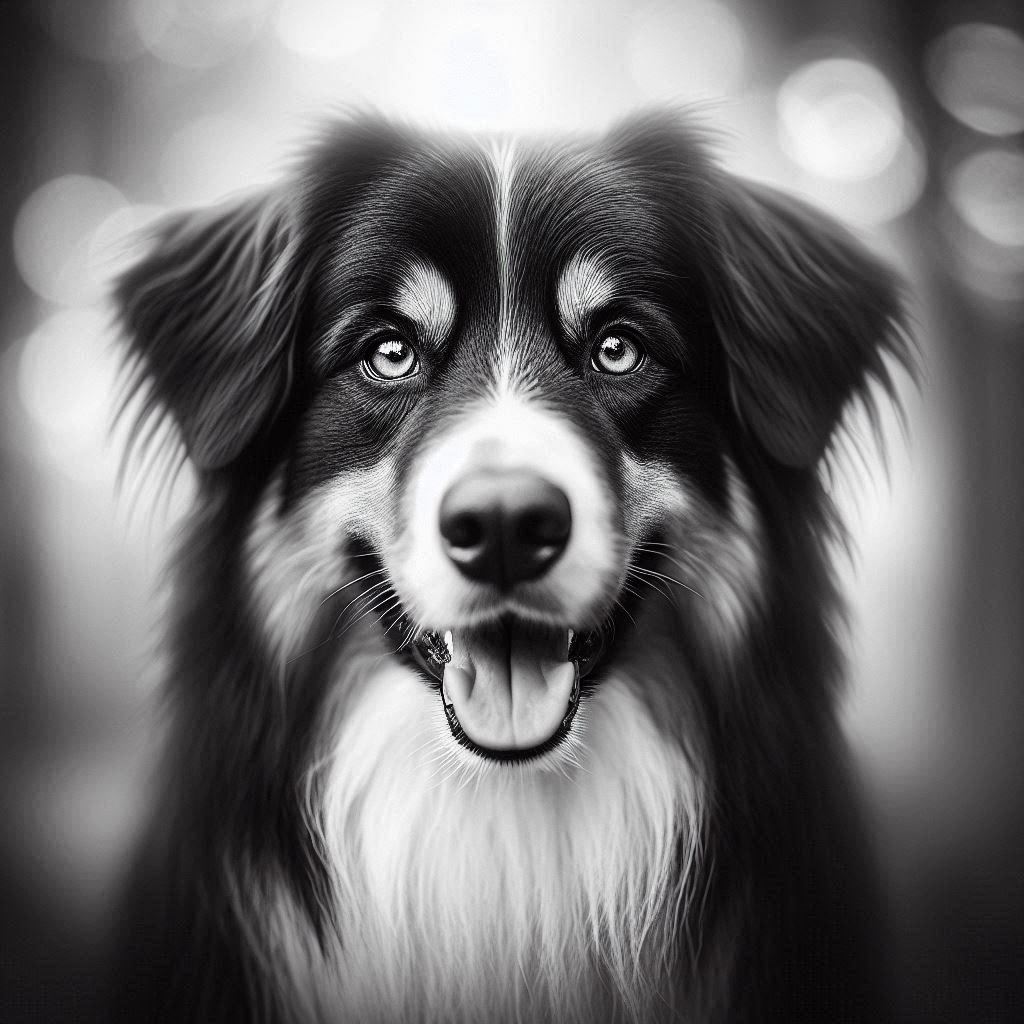
Dogs develop rituals around your arrival that become part of their daily rhythm. They may run to a specific spot. They may circle excitedly. Rituals create structure. Dogs rely on these patterns. The ritual becomes a comforting routine. It shapes their emotional response. Dogs feel secure when the ritual repeats. The greeting becomes predictable yet joyful. Rituals strengthen the bond. They create shared moments. Dogs use ritual to express affection. The arrival becomes a celebration.
Ritual Elements
| Element | Description | Influence | Effect |
|---|---|---|---|
| Greeting spot | Chosen location | Shapes routine | Consistency |
| Circling | Repetitive movement | Builds excitement | Energy |
| Jumping | Upward motion | Shows joy | Liveliness |
| Tail rhythm | Patterned wagging | Reflects emotion | Warmth |
| Proximity | Staying close | Strengthens bond | Comfort |
The Psychological Meaning Behind A Dog’s Excitement
A dog’s excitement carries psychological meaning rooted in loyalty and emotional connection. Dogs associate your return with safety. They feel reassured when you appear. The excitement reflects attachment. It becomes a sign of trust. Dogs express emotion openly. Their excitement shows vulnerability. The moment becomes a reflection of their bond with you. Dogs feel emotionally fulfilled when you return. The excitement becomes symbolic. It shapes the relationship. The meaning behind it runs deep.
Psychological Meaning Traits
- Reflect emotional trust
- Show attachment
- Build connection
- Reveal vulnerability
- Strengthen bond
- Encourage closeness
- Shape relationship tone
- Support emotional security
- Highlight loyalty
- Create shared joy
- Reinforce presence
- Deepen affection
The Physical Energy Dogs Release When You Arrive
Dogs release physical energy the moment you walk through the door. Their bodies shift into motion. They may run in circles. They may jump lightly. Energy becomes a form of expression. Dogs release tension built during your absence. The movement reflects excitement. Physical energy shapes the greeting. It becomes part of the moment’s charm. Dogs use motion to communicate joy. Their energy feels contagious. The greeting becomes lively.
Energy Elements
| Element | Description | Influence | Effect |
|---|---|---|---|
| Quick movement | Fast reactions | Show excitement | Liveliness |
| Light jumping | Upward motion | Reflect joy | Playfulness |
| Rapid pacing | Back‑and‑forth steps | Build energy | Momentum |
| Tail speed | Fast wagging | Show emotion | Warmth |
| Body wiggles | Full‑body movement | Express happiness | Charm |
The Way Dogs Seek Physical Contact
Dogs often seek physical contact as soon as you return home. They may lean against you. They may nudge your hand. Contact becomes a form of reassurance. Dogs use touch to strengthen connection. It reflects affection. Physical closeness shapes the greeting. Dogs feel comforted by your presence. They use touch to express emotion. Contact becomes part of the ritual. It deepens the bond. Dogs communicate through closeness. Their excitement becomes tangible.
Contact Traits
- Leaning gently
- Nudging hands
- Sitting close
- Resting against legs
- Following footsteps
- Seeking pats
- Staying near
- Soft brushing
- Light paw touches
- Warm presence
- Gentle closeness
- Physical reassurance
The Joy Dogs Feel In Your Attention
Dogs thrive on attention, and your return becomes a moment where they receive it fully. They crave your focus. Attention becomes a reward. Dogs feel emotionally lifted when you acknowledge them. The joy becomes visible. They respond with movement and sound. Attention shapes their excitement. It reinforces their bond. Dogs feel valued. The moment becomes meaningful. Attention becomes part of the greeting’s power. Dogs glow in your presence.
Attention Elements
| Element | Description | Influence | Effect |
|---|---|---|---|
| Eye contact | Visual connection | Builds trust | Warmth |
| Verbal greeting | Familiar voice | Enhances joy | Comfort |
| Gentle touch | Physical contact | Strengthens bond | Ease |
| Shared moment | Focused time | Deepens connection | Fulfilment |
| Positive tone | Friendly sound | Shapes emotion | Happiness |
The Loyalty Reflected In A Dog’s Excitement
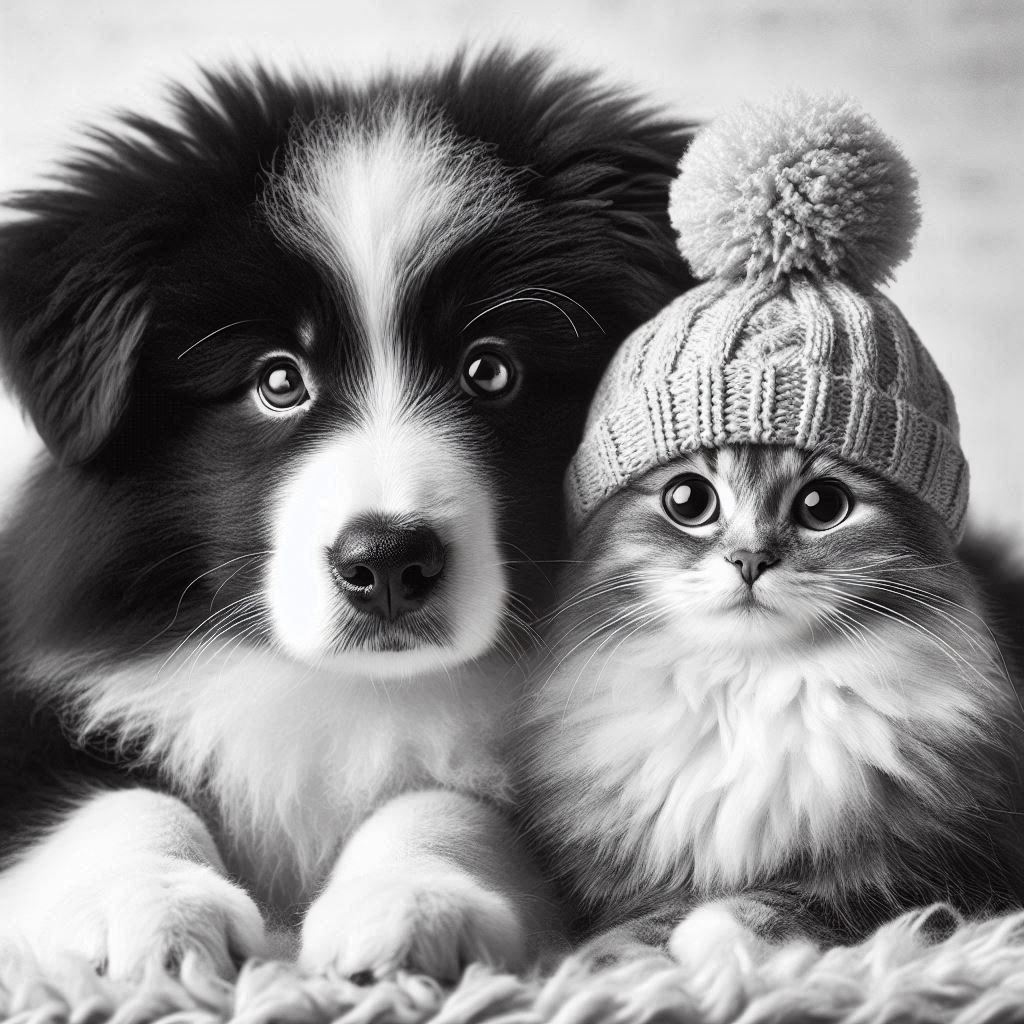
A dog’s excitement reflects loyalty that feels unwavering. Dogs wait patiently for your return. Their loyalty becomes visible in their reaction. They show devotion through enthusiasm. Loyalty shapes their emotional world. Dogs feel connected to you deeply. Their excitement becomes a symbol of commitment. Loyalty strengthens the bond. It shapes the greeting ritual. Dogs express loyalty through presence. Their excitement becomes heartfelt. Loyalty becomes part of their identity.
Loyalty Traits
- Show devotion
- Wait patiently
- Express commitment
- Build emotional closeness
- Strengthen bond
- Reflect attachment
- Support connection
- Shape behaviour
- Encourage affection
- Highlight trust
- Deepen relationship
- Reveal dedication
The Comfort Dogs Feel When You Return
Dogs feel comfort when you come home, as your presence restores their sense of security. They relax once you arrive. Comfort shapes their emotional response. Dogs feel safe with you. The greeting becomes a release of tension. Comfort becomes part of the moment. Dogs settle more easily. They feel grounded. Comfort shapes their behaviour. It influences their excitement. Dogs associate you with stability. The moment becomes soothing.
Comfort Elements
| Element | Description | Influence | Effect |
|---|---|---|---|
| Familiar scent | Recognised smell | Builds ease | Calmness |
| Presence | Physical closeness | Shapes security | Warmth |
| Voice tone | Soothing sound | Encourages relaxation | Peace |
| Routine | Predictable return | Supports comfort | Stability |
| Touch | Gentle contact | Deepens reassurance | Ease |
The Long‑Term Bond Strengthened By Daily Greetings
Daily greetings strengthen the long‑term bond between dogs and their humans. The repetition builds trust. It creates emotional consistency. Dogs rely on these moments. The bond deepens with each greeting. The ritual becomes part of the relationship. Dogs feel more connected over time. The greeting shapes emotional memory. It becomes a foundation of companionship. Long‑term bonds grow stronger. The greeting becomes symbolic. It shapes the relationship’s depth.
Long‑Term Traits
- Build emotional history
- Strengthen trust
- Support consistency
- Deepen attachment
- Shape routine
- Encourage closeness
- Create shared meaning
- Support loyalty
- Build comfort
- Shape emotional rhythm
- Enhance connection
- Strengthen companionship
Conclusion
The excitement of dogs when you get home is a powerful expression of loyalty, affection, and emotional connection that transforms an ordinary moment into something deeply meaningful. Dogs greet you with movement, sound, and presence that reflect genuine joy. Their reactions reveal trust and attachment. Each greeting becomes a ritual that strengthens the bond. Dogs express emotion openly, turning your return into a celebration. Their excitement carries psychological depth rooted in companionship. The moment becomes a reminder of the relationship’s warmth. Dogs bring energy and comfort into the space. Their enthusiasm becomes part of daily life. The excitement they show reflects the heart of the bond. It remains one of the most uplifting experiences in the human‑dog relationship.