
Food Court Etiquette Psychology And Responsible Social Care
Food Court Etiquette – Understanding Social Behavior In Shared Dining Spaces
Food courts are fascinating microcosms of human behavior, blending cultural diversity, social interaction, and psychological dynamics into one shared environment. They are not merely places where people eat but are structured social arenas where etiquette, norms, and expectations shape the experience. The psychology of food court etiquette reveals how individuals negotiate space, manage social cues, and balance personal comfort with communal responsibility. Every action, from choosing a seat to disposing of waste, reflects deeper psychological processes tied to identity, culture, and social order. The idea of Food Court Etiquette is real.
Seating Choices – Social Preferences And Psychological Comfort
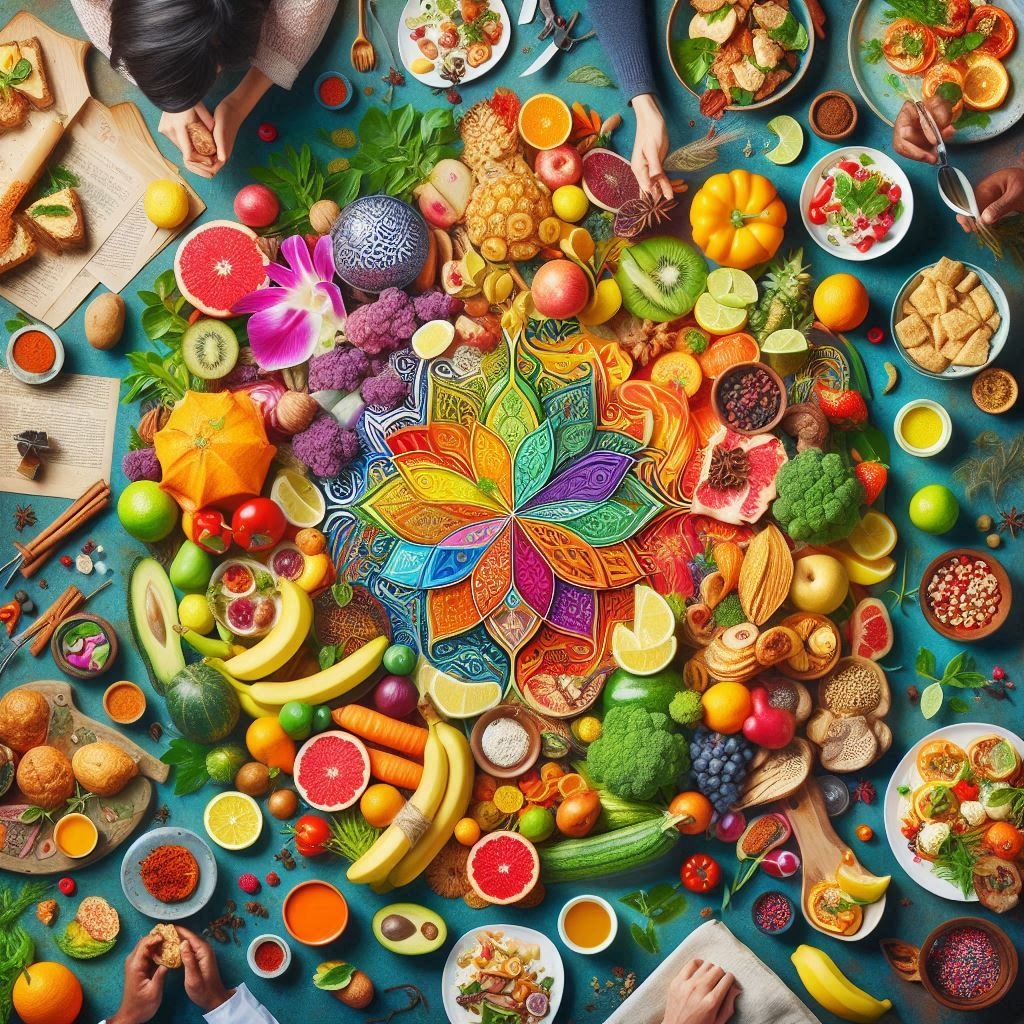
Seating in food courts is not random but influenced by psychological needs for privacy, visibility, and social belonging. People often choose seats near walls or corners to feel secure, while groups prefer central tables to maintain visibility and cohesion. Seating choices also reflect cultural norms, with some individuals avoiding close proximity to strangers while others embrace communal arrangements. The availability of seating impacts stress levels, as crowded environments can trigger anxiety or frustration. Psychological comfort is enhanced when individuals perceive control over their seating options, reinforcing the importance of spatial etiquette.
| Seating Preference | Psychological Reason | Common Outcome |
|---|---|---|
| Corner tables | Security and privacy | Reduced stress |
| Central tables | Group cohesion | Social visibility |
| Near exits | Quick departure | Convenience |
| Shared tables | Communal culture | Increased interaction |
Queue Behavior – Patience And Social Order
Waiting in line at food courts is a test of patience and respect for social order. Queue etiquette reflects fairness, as individuals expect others to follow the sequence without cutting in. Psychological studies show that people experience heightened stress when queues are disorganized, leading to irritation and potential conflict. Clear signage and visible staff presence reduce uncertainty and improve compliance with etiquette. Queue behavior also reflects cultural attitudes toward time, with some societies tolerating longer waits more calmly than others.
- Respecting the sequence maintains fairness.
- Disorganized queues increase stress and frustration.
- Clear signage reduces uncertainty.
- Staff presence reinforces compliance.
- Cultural attitudes shape patience levels.
Noise Levels – Managing Auditory Environments
Food courts are inherently noisy, but etiquette requires balancing personal enjoyment with communal comfort. Loud conversations, disruptive phone calls, or excessive laughter can intrude on others’ dining experiences. Psychological research indicates that noise pollution elevates stress hormones, reducing satisfaction and increasing irritability. Etiquette encourages moderation, ensuring that sound levels remain tolerable for all.
| Noise Source | Psychological Impact | Etiquette Expectation |
|---|---|---|
| Loud talking | Stress and distraction | Moderate tone |
| Phone calls | Intrusion on privacy | Keep brief |
| Music from devices | Reduced focus | Use headphones |
| Children playing | Joy but disruption | Supervision required |
Cleanliness Norms – Responsibility And Shared Spaces
Cleanliness in food courts is a collective responsibility, reflecting respect for shared environments. Leaving trays, spills, or waste unattended signals disregard for others and undermines social harmony. Psychological studies show that visible mess increases stress and reduces perceived safety. Etiquette requires individuals to clean up after themselves, reinforcing accountability and respect.
- Cleaning up maintains harmony.
- Visible mess increases stress.
- Responsibility reflects respect.
- Shared spaces demand accountability.
- Cleanliness enhances safety perception.
Cultural Diversity – Etiquette Across Traditions
Food courts often host diverse cuisines, attracting people from varied cultural backgrounds. Etiquette must adapt to these differences, respecting traditions and practices. Psychological comfort arises when individuals feel their cultural norms are acknowledged and respected. Misunderstandings occur when etiquette clashes with unfamiliar customs, highlighting the need for awareness.
| Cultural Factor | Etiquette Implication | Psychological Effect |
|---|---|---|
| Sharing food | Encourages bonding | Increased trust |
| Dietary restrictions | Requires sensitivity | Reduced conflict |
| Eating pace | Reflects tradition | Comfort maintained |
| Seating arrangements | Symbolic meaning | Social cohesion |
Children In Food Courts – Supervision And Social Learning
Children bring energy and unpredictability to food courts, requiring careful etiquette management. Parents are expected to supervise, ensuring behavior remains respectful of others. Psychological research shows that children learn social norms through observation, making food courts valuable spaces for social learning. Unsupervised behavior can disrupt harmony, leading to frustration among other patrons.
- Supervision ensures respect.
- Observation teaches social norms.
- Disruption causes frustration.
- Food courts serve as learning spaces.
- Etiquette shapes childhood development.
Waste Disposal – Environmental Responsibility And Social Order
Proper waste disposal is a cornerstone of food court etiquette. Overflowing bins or littered tables signal neglect and reduce psychological comfort. Studies reveal that visible waste increases perceptions of disorder and decreases satisfaction. Etiquette requires individuals to dispose of waste responsibly, supporting environmental sustainability and social order.
| Waste Type | Etiquette Expectation | Psychological Outcome |
|---|---|---|
| Food scraps | Dispose promptly | Reduced stress |
| Packaging | Use recycling bins | Environmental responsibility |
| Liquids | Avoid spills | Safety maintained |
| Tray return | Follow system | Order reinforced |
Technology Use – Balancing Connectivity And Respect
Food courts are modern social spaces where technology use is common. Etiquette requires balancing connectivity with respect for others. Loud video playback or intrusive phone conversations disrupt communal comfort. Psychological studies show that visible device use can reduce perceived social engagement, creating feelings of isolation.
- Balance connectivity with respect.
- Loud playback disrupts comfort.
- Device use reduces engagement.
- Etiquette encourages moderation.
- Respect enhances communal harmony.
Group Dynamics – Managing Collective Behavior
Groups in food courts must manage collective behavior to avoid disrupting others. Large gatherings can monopolize space, creating discomfort for individuals seeking solitude. Psychological research highlights the importance of spatial awareness in group etiquette. Respectful behavior ensures harmony between groups and individuals.
| Group Behavior | Etiquette Expectation | Psychological Effect |
|---|---|---|
| Large gatherings | Avoid monopolizing space | Reduced conflict |
| Shared meals | Encourage inclusivity | Increased bonding |
| Noise levels | Maintain moderation | Comfort preserved |
| Seating choices | Respect availability | Harmony maintained |
Food Sharing – Symbolism And Social Bonds
Sharing food in food courts carries symbolic meaning, reinforcing social bonds. Etiquette requires sensitivity to cultural norms, as sharing may be welcomed or discouraged depending on tradition. Psychological studies show that food sharing increases trust and strengthens relationships. Mismanaged sharing, however, can cause discomfort or misunderstandings.
- Sharing reinforces bonds.
- Cultural norms shape etiquette.
- Trust increases through sharing.
- Mismanagement causes discomfort.
- Sensitivity ensures harmony.
Hygiene Practices – Health And Social Responsibility
Hygiene practices in food courts reflect health awareness and social responsibility. Washing hands, using sanitizers, and avoiding contamination are essential etiquette behaviors. Psychological comfort increases when individuals perceive high hygiene standards. Neglecting hygiene undermines trust and creates anxiety about safety.
| Hygiene Practice | Etiquette Expectation | Psychological Impact |
|---|---|---|
| Hand washing | Before eating | Increased comfort |
| Sanitizer use | After contact | Reduced anxiety |
| Food handling | Avoid contamination | Trust maintained |
| Mask use | During illness | Safety reinforced |
Space Management – Respecting Boundaries
Space management in food courts requires respecting personal boundaries. Crowding or encroaching on others’ tables creates discomfort and stress. Psychological studies show that perceived invasion of space reduces satisfaction and increases irritation. Etiquette encourages awareness of boundaries, ensuring comfort for all.
- Respect boundaries.
- Crowding increases stress.
- Awareness reduces conflict.
- Comfort depends on space management.
- Etiquette preserves harmony.
Staff Interaction – Respect And Cooperation
Interaction with staff reflects etiquette and social responsibility. Politeness, patience, and cooperation enhance the dining experience. Psychological research shows that respectful interactions increase satisfaction and reduce stress. Disrespectful behavior undermines harmony and creates tension.
| Staff Interaction | Etiquette Expectation | Psychological Outcome |
|---|---|---|
| Politeness | Use respectful language | Increased satisfaction |
| Patience | Allow time for service | Reduced stress |
| Cooperation | Follow instructions | Harmony maintained |
| Gratitude | Express thanks | Positive atmosphere |
Conflict Resolution – Managing Disputes
Conflicts in food courts arise from seating disputes, noise, or queue behavior. Etiquette provides strategies for resolution, emphasizing calm communication and compromise. Psychological studies show that respectful conflict resolution reduces stress and preserves harmony. Avoiding escalation is essential for maintaining order.
- Calm communication resolves disputes.
- Compromise preserves harmony.
- Respect reduces stress.
- Escalation undermines order.
- Etiquette ensures resolution.
Food Presentation – Aesthetic And Psychological Impact
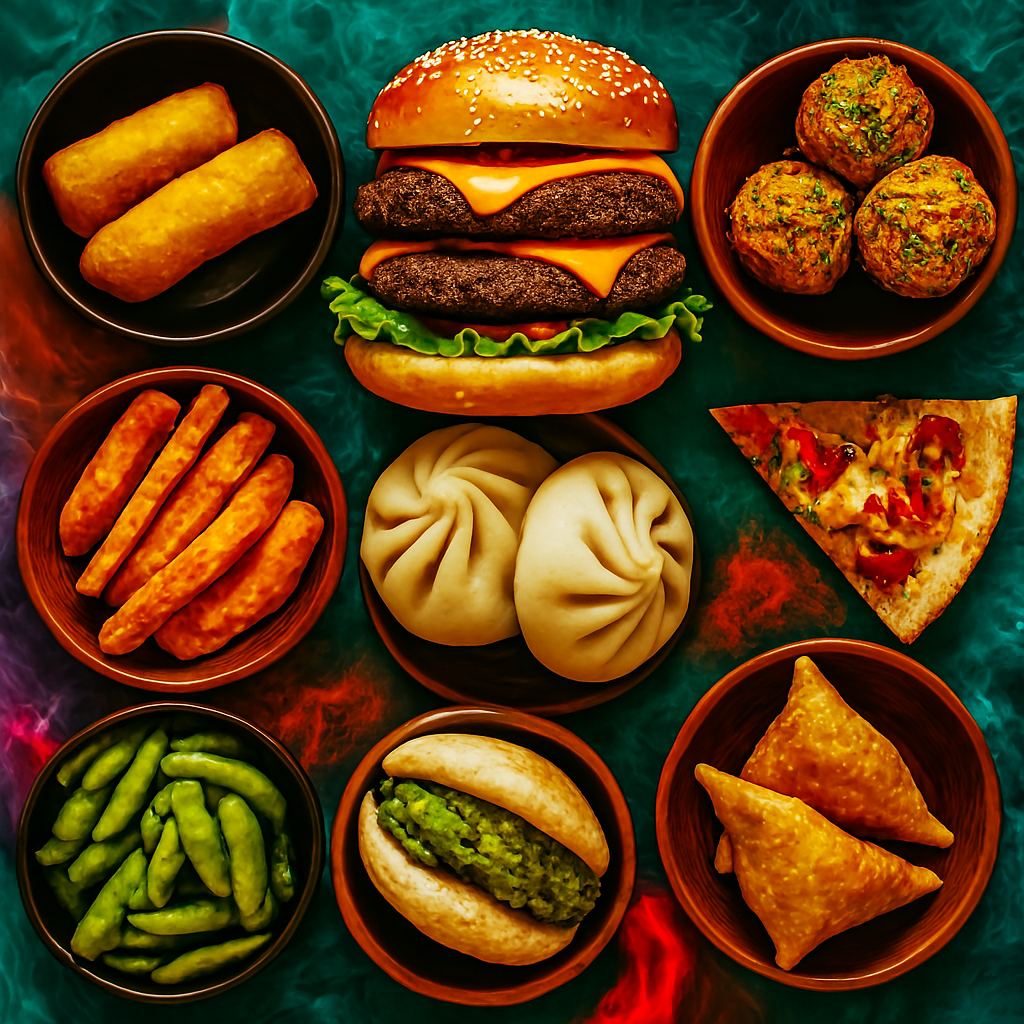
Food presentation in food courts influences perception and satisfaction. Attractive presentation enhances enjoyment, while poor presentation reduces appeal. Psychological studies show that visual aesthetics impact taste perception and overall satisfaction. Etiquette requires vendors to maintain presentation standards, respecting customer expectations.
| Presentation Factor | Psychological Impact | Etiquette Expectation |
|---|---|---|
| Color variety | Increased appeal | Maintain aesthetics |
| Portion size | Satisfaction levels | Balanced serving |
| Clean plating | Trust reinforced | Hygiene |
Vendor Responsibility – Service Quality And Etiquette
Vendors in food courts play a crucial role in shaping etiquette through service quality and customer interaction. Their behavior sets the tone for the dining environment, influencing how patrons perceive fairness, respect, and order. Psychological studies show that courteous service reduces stress and enhances satisfaction, while neglect or rudeness increases frustration. Vendors must balance efficiency with politeness, ensuring that customers feel valued even during busy periods.
| Vendor Action | Etiquette Expectation | Psychological Effect |
|---|---|---|
| Greeting customers | Polite acknowledgment | Positive atmosphere |
| Handling complaints | Calm resolution | Reduced tension |
| Speed of service | Efficient delivery | Increased satisfaction |
| Food safety | Strict adherence | Trust reinforced |
Personal Space Awareness – Respecting Invisible Boundaries
Food courts are crowded environments where personal space awareness becomes essential. Etiquette requires individuals to avoid encroaching on others’ tables, seats, or pathways. Psychological research shows that perceived invasion of personal space increases discomfort and reduces enjoyment. Respecting invisible boundaries ensures harmony and reduces conflict.
- Avoid encroaching on tables.
- Respect seating boundaries.
- Pathways must remain clear.
- Awareness reduces discomfort.
- Etiquette preserves enjoyment.
Time Management – Dining Duration And Social Courtesy
Time management in food courts reflects etiquette and respect for others. Lingering at tables after finishing meals can prevent new patrons from finding seating, creating frustration. Psychological studies show that perceived fairness in table turnover increases satisfaction. Etiquette encourages individuals to manage dining duration responsibly, balancing personal comfort with communal needs.
| Dining Behavior | Etiquette Expectation | Psychological Outcome |
|---|---|---|
| Quick meals | Allow turnover | Increased fairness |
| Lingering | Avoid monopolizing space | Reduced frustration |
| Sharing tables | Respect duration | Harmony maintained |
| Group dining | Manage time collectively | Comfort preserved |
Food Variety – Choice And Psychological Satisfaction
Food courts offer diverse options, and etiquette requires respecting others’ choices without judgment. Psychological comfort arises when individuals feel free to select food that aligns with their preferences or cultural traditions. Criticism of others’ choices undermines harmony and creates tension. Etiquette encourages acceptance of diversity, reinforcing inclusivity.
- Respect food choices.
- Diversity enhances satisfaction.
- Criticism undermines harmony.
- Acceptance reinforces inclusivity.
- Freedom of choice increases comfort.
Accessibility Considerations – Inclusivity And Respect
Food courts must accommodate individuals with disabilities, ensuring accessibility and respect. Etiquette requires patrons to avoid blocking pathways, misusing accessible seating, or ignoring the needs of others. Psychological studies show that inclusivity increases comfort and reduces stress for marginalized groups. Respectful behavior ensures equitable access for all.
| Accessibility Factor | Etiquette Expectation | Psychological Impact |
|---|---|---|
| Pathway clearance | Avoid obstruction | Increased comfort |
| Accessible seating | Reserved for need | Reduced stress |
| Assistance | Offer support | Inclusivity reinforced |
| Signage | Clear directions | Confidence maintained |
Food Court Design – Influence On Etiquette
The design of food courts influences etiquette by shaping behavior and expectations. Layouts that provide clear pathways, adequate seating, and visible waste disposal areas encourage compliance with etiquette. Psychological studies show that well-designed environments reduce stress and improve satisfaction. Poor design increases confusion and conflict.
- Clear pathways encourage order.
- Adequate seating reduces stress.
- Visible bins improve compliance.
- Poor design increases confusion.
- Layout influences etiquette.
Social Identity – Expression Through Etiquette
Food court etiquette reflects social identity, as individuals express values and cultural norms through behavior. Choosing communal seating, sharing food, or respecting cleanliness signals identity and belonging. Psychological research shows that etiquette reinforces group identity and social cohesion. Misalignment with norms can create discomfort or exclusion.
| Social Behavior | Identity Expression | Psychological Effect |
|---|---|---|
| Communal seating | Group belonging | Increased cohesion |
| Food sharing | Cultural values | Trust reinforced |
| Cleanliness | Respect for others | Comfort maintained |
| Queue behavior | Fairness values | Harmony preserved |
Emotional Regulation – Managing Stress In Crowded Spaces
Food courts can be stressful environments, requiring emotional regulation to maintain etiquette. Crowds, noise, and delays test patience and self-control. Psychological studies show that individuals who regulate emotions effectively experience greater satisfaction and harmony. Etiquette encourages calmness, patience, and respect even under pressure.
- Crowds test patience.
- Noise increases stress.
- Delays require self-control.
- Regulation enhances satisfaction.
- Calmness preserves harmony.
Social Learning – Observing And Imitating Etiquette
Food courts serve as environments for social learning, where individuals observe and imitate etiquette behaviors. Children, newcomers, and visitors learn norms by watching others. Psychological studies show that modeling etiquette reinforces compliance and reduces conflict. Visible examples of respect encourage widespread adoption of norms.
| Learning Source | Etiquette Outcome | Psychological Effect |
|---|---|---|
| Parents | Children imitate behavior | Norms reinforced |
| Staff | Customers follow cues | Compliance increased |
| Groups | Individuals adapt | Cohesion maintained |
| Environment | Visible order | Comfort preserved |
Conclusion – The Collective Psychology Of Food Court Etiquette
Food court etiquette is more than a set of rules; it is a reflection of collective psychology, cultural diversity, and social responsibility. Every action, from seating choices to waste disposal, contributes to harmony and comfort in shared spaces. Psychological research confirms that etiquette reduces stress, enhances satisfaction, and reinforces social cohesion. By respecting norms and adapting to diverse traditions, individuals ensure that food courts remain inclusive and enjoyable environments. Etiquette is not static but evolves with cultural shifts, technological changes, and design innovations. Understanding the psychology behind these behaviors allows us to appreciate the importance of etiquette in maintaining order and harmony.
Join The Discussion – Share Your Insights
Food courts are shared spaces where etiquette shapes experiences for everyone. What behaviors do you notice most often, and how do they affect your comfort?
#FoodCourtEtiquette #PsychologyOfDining #SharedSpaces #CulturalEtiquette #SocialBehavior #DiningHarmony #PublicSpaces #EtiquetteMatters #FoodCourtPsychology #RespectAndResponsibility


I agree with your point of view and found this very insightful.
Great article! I’ll definitely come back for more posts like this.