
Interesting Gardening And Destressing The Complex Human Mind
The Psychology of Gardening
Cultivating Mind and Soul
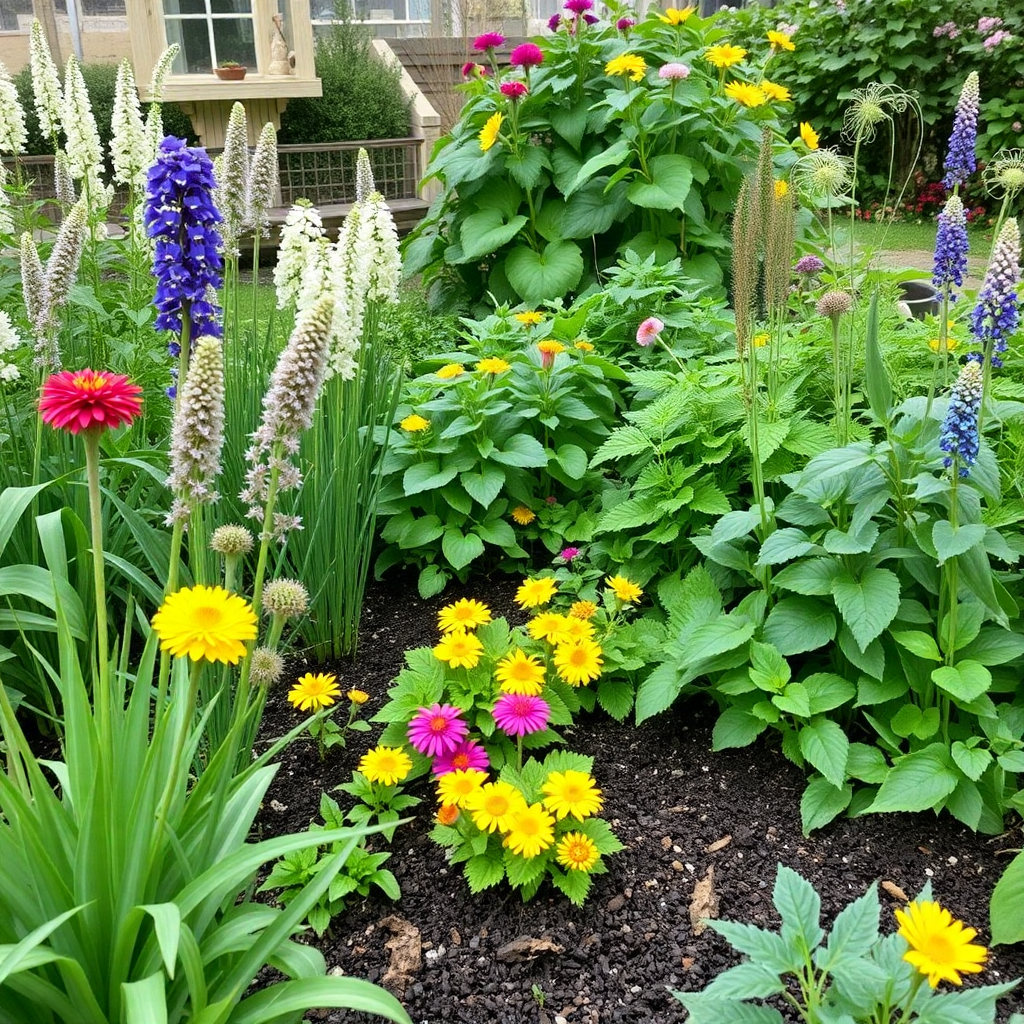
Gardening is more than just a hobby; it is a deeply enriching activity that touches on various aspects of human psychology. Whether you’re planting seeds in a personal backyard or nurturing blooms in a communal garden, the act of gardening provides a unique opportunity to connect with nature, cultivate creativity, and foster emotional resilience.
How Gardening Reduces Stress
The Power of Nature in Stress Relief
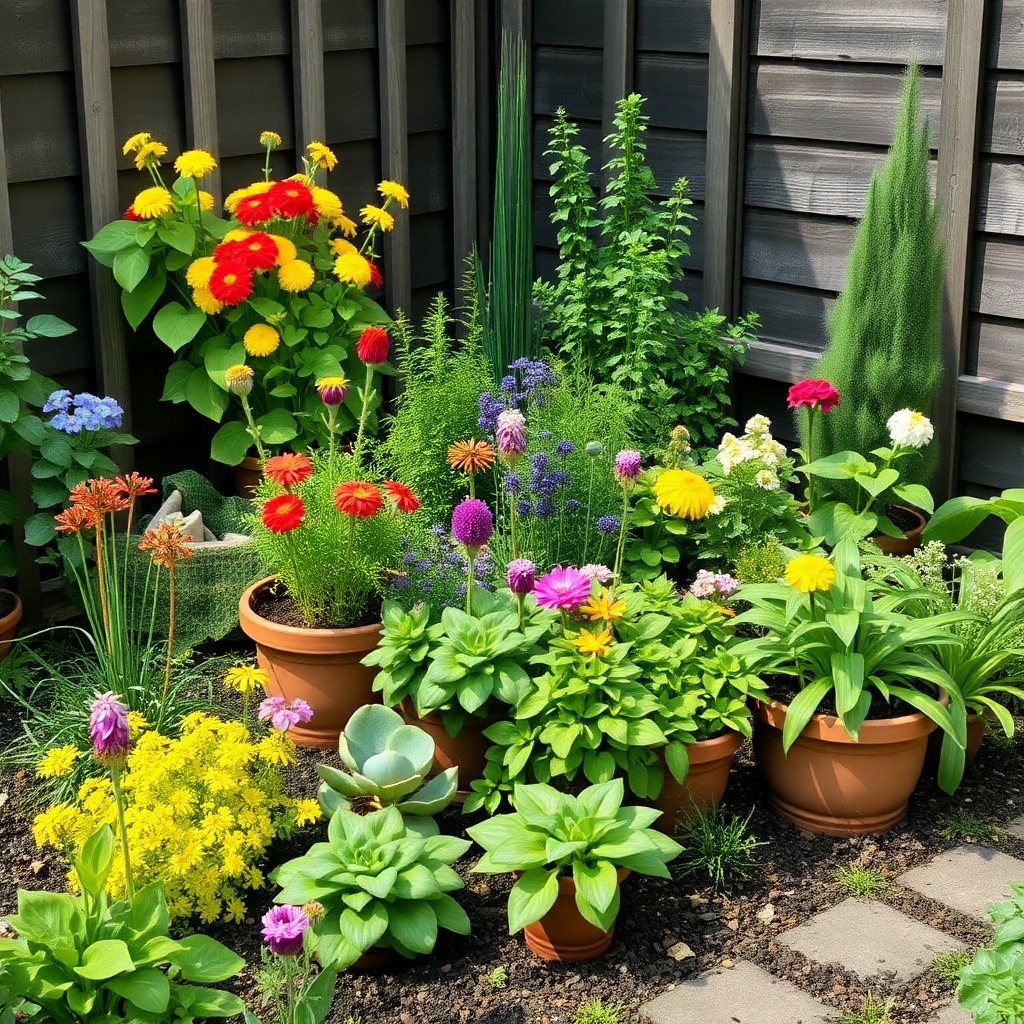
Gardening brings us face-to-face with nature, allowing us to escape from the chaos of modern life. The simple act of tending to plants fosters mindfulness, helping individuals focus on the present moment. Research shows that being surrounded by greenery can reduce cortisol levels—a stress hormone—and promote relaxation.
The Rewarding Feeling of Accomplishment
Cultivating plants requires patience and dedication, but the sense of accomplishment upon seeing flowers bloom or vegetables thrive is unparalleled. This success triggers the brain to release dopamine, the “feel-good” chemical, which reinforces a positive mood.
Gardening and Emotional Resilience
Building a Sense of Purpose
Gardening can instill a sense of purpose, especially for individuals dealing with loneliness or life transitions. Taking responsibility for nurturing living things provides a meaningful daily routine and helps establish emotional stability.
A Form of Green Therapy
Horticultural therapy, often incorporated into mental health programs, demonstrates how tending to plants can aid emotional recovery. Connecting with soil and plants is known to alleviate symptoms of depression and anxiety, offering a natural path toward inner balance.
The Cognitive Benefits of Gardening
Boosting Focus and Memory
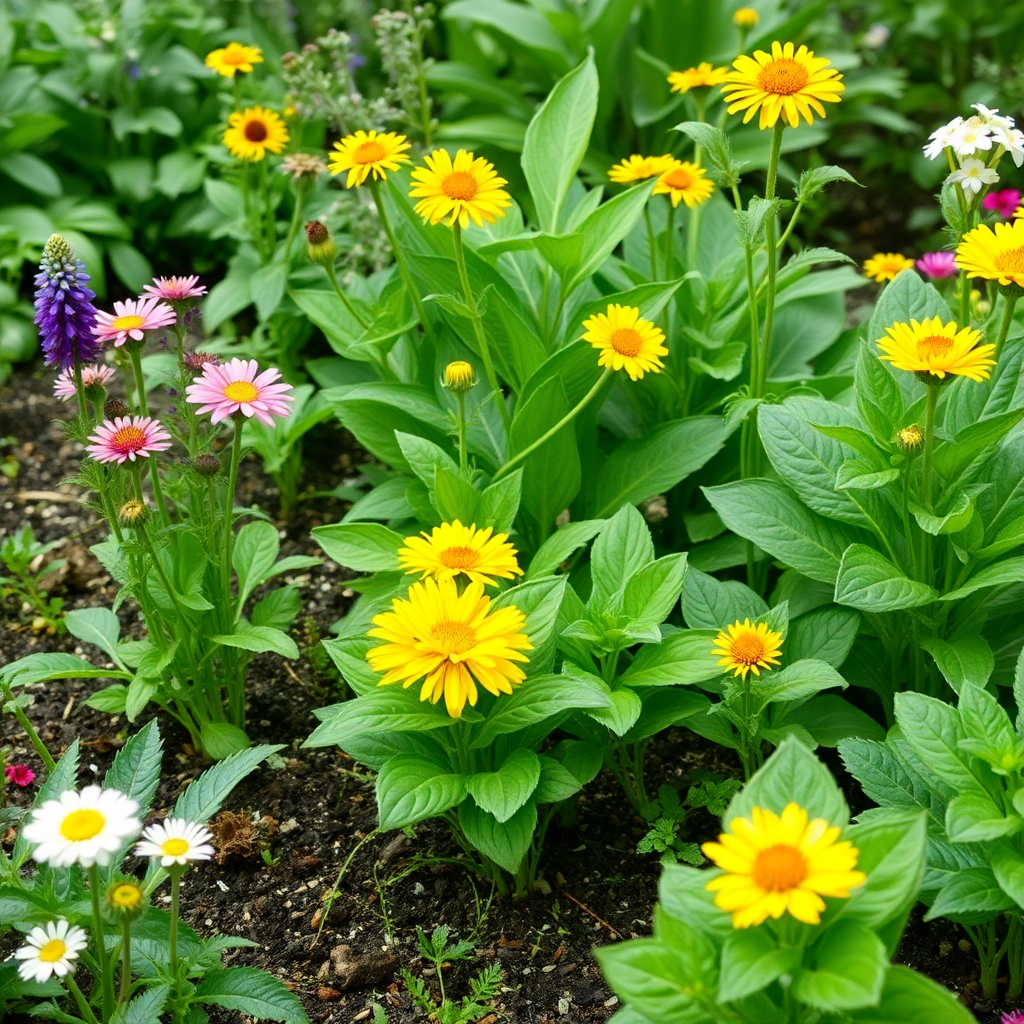
Engaging in gardening stimulates the brain. Tasks like planning a garden layout or managing plant care improve cognitive skills such as organization, problem-solving, and attention to detail. Exposure to nature also enhances memory retention, a vital aspect of mental sharpness.
Fostering Creativity
Designing a garden taps into creativity, as people select colors, textures, and arrangements that bring their vision to life. This process can be deeply satisfying, unlocking artistic expression in an organic and enjoyable way.
Social and Communal Impact
Gardening as a Social Connector
Community gardens offer opportunities for social interaction and shared goals. Working alongside others strengthens bonds and fosters a sense of belonging, reducing feelings of isolation.
Passing Knowledge Across Generations
Gardening can also be a family affair, bridging generational gaps. Teaching children to plant seeds or sharing gardening techniques with elders cultivates shared experiences that enrich relationships.
Gardening and Physical Health
Promoting Physical Activity
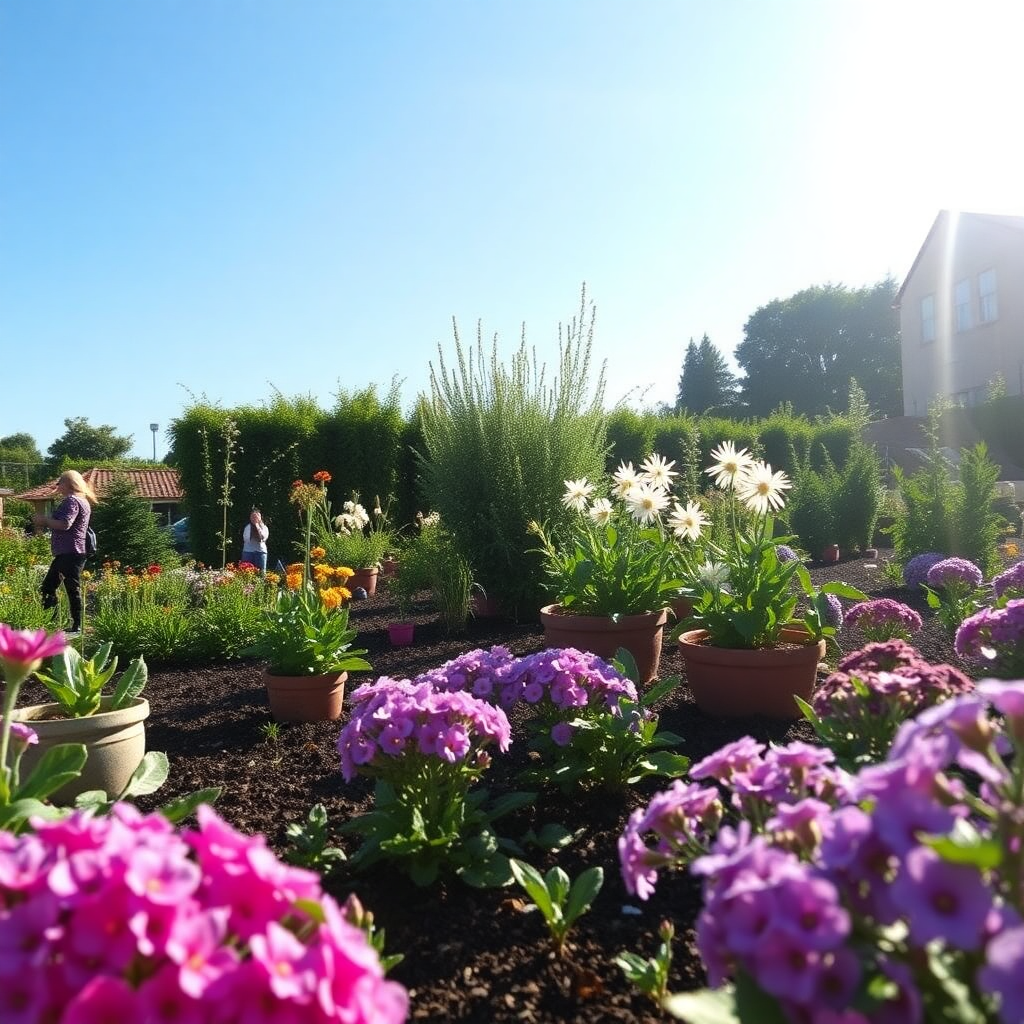
Gardening involves physical activity, from lifting things to planting to weeding and watering. These tasks provide moderate exercise.
Fostering a Healthy Lifestyle
Growing your own fruits, vegetables, and herbs not only reduces reliance on store-bought produce but also encourages healthier eating habits. Consuming fresh, homegrown food can have a positive impact on overall well-being.
Gardening and Biodiversity Awareness
Encouraging Environmental Stewardship
By planting pollinator-friendly flowers or creating habitats for insects and birds, gardeners contribute to local biodiversity and play a role in environmental conservation.
Sparking Curiosity About Ecosystems
As gardeners encounter insects, soil microbes, and plant life cycles, they gain a better understanding of ecosystems. This hands-on learning can inspire eco-conscious behaviors beyond the garden.
The Mind-Soil Connection
The Healing Properties of Soil
Soil contains microorganisms that have been shown to improve mood and reduce anxiety. Handling soil connects people to these natural benefits, creating a literal “grounding” experience.
The Tactile Comfort of Gardening
Gardening engages the senses through touch, smell, and sight, providing a multisensory experience that enhances mindfulness. The tactile interaction with soil and plants fosters a comforting and calming effect.
Gardening as a Creative Outlet
Exploring Artistic Expression
Gardens are a canvas for personal expression. The choice of colors, patterns, and arrangements allows individuals to showcase their creativity, transforming outdoor spaces into unique works of art.
Inspiring Innovation
Innovative gardening techniques, such as vertical gardens or container gardening, encourage adaptability and problem-solving. These creative solutions bring the joys of gardening to even the smallest of spaces.

Gardening and Seasonal Rhythms
Connecting to Nature’s Cycles
Gardening teaches patience and attentiveness as plants grow in harmony with the seasons. This connection to nature’s rhythms fosters a deeper awareness of time and its impact on life.
Celebrating Change
Each season offers unique gardening opportunities, from spring planting to autumn harvests. This cycle of growth and renewal reflects life’s changes, providing opportunities to embrace transitions with grace.
Conclusion
From alleviating stress to bolstering creativity and building meaningful social connections, gardening is a profound activity that nurtures both the earth and the individual. It provides a sanctuary from the demands of daily life, where people can reconnect with themselves and the natural world. As we dig into the soil, we cultivate not only thriving plants but also a flourishing sense of happiness, purpose, and mental clarity. Truly, gardening is a celebration of life’s cycles, where every seed planted is a promise of growth—for the garden and for the gardener.
Join the Discussion
What are your thoughts on gardening and its psychological impact? Have you experienced any mental or emotional benefits from tending to plants?
#GardeningTherapy #MindfulGardening #GardenLife #MentalHealthMatters #GreenThumb #NatureHealing #StressRelief #GardeningCreativity #EcoFriendlyLiving #GardeningCommunity #PlantWellness #HorticultureHealing #GardeningPurpose #GardeningBenefits #InnerPeace #MentalClarity #BiodiversityGardens #SoilHealth #GardeningJoy #TherapeuticGardening #GardeningHacks #UrbanGardening #SeasonalGardening #GardeningFitness #BackyardBliss #GardenArt #MindfulLiving #OrganicGardening #GardenInspiration #GardenGrowth






I like what you guys are up too. Such smart work and reporting! Carry on the excellent works guys I?¦ve incorporated you guys to my blogroll. I think it’ll improve the value of my site 🙂