Heart Of Heroism Phenomenon And What Makes A Powerful Hero
Unveiling the Psychology of Bravery in All Walks of Life
The Heart Of Heroism
What makes a hero? Is it their extraordinary actions in moments of crisis, or their quiet dedication to helping others in daily life? Heroism is a deeply human phenomenon, spanning acts of bravery in our local communities to selfless deeds in extreme and life-threatening situations. While the contexts may differ, the psychology behind these actions reveals remarkable commonalities. Heroes are shaped by empathy, resilience, and altruism—qualities that inspire them to overcome fear and act for the greater good.

Understanding Heroism in Our Neighborhoods
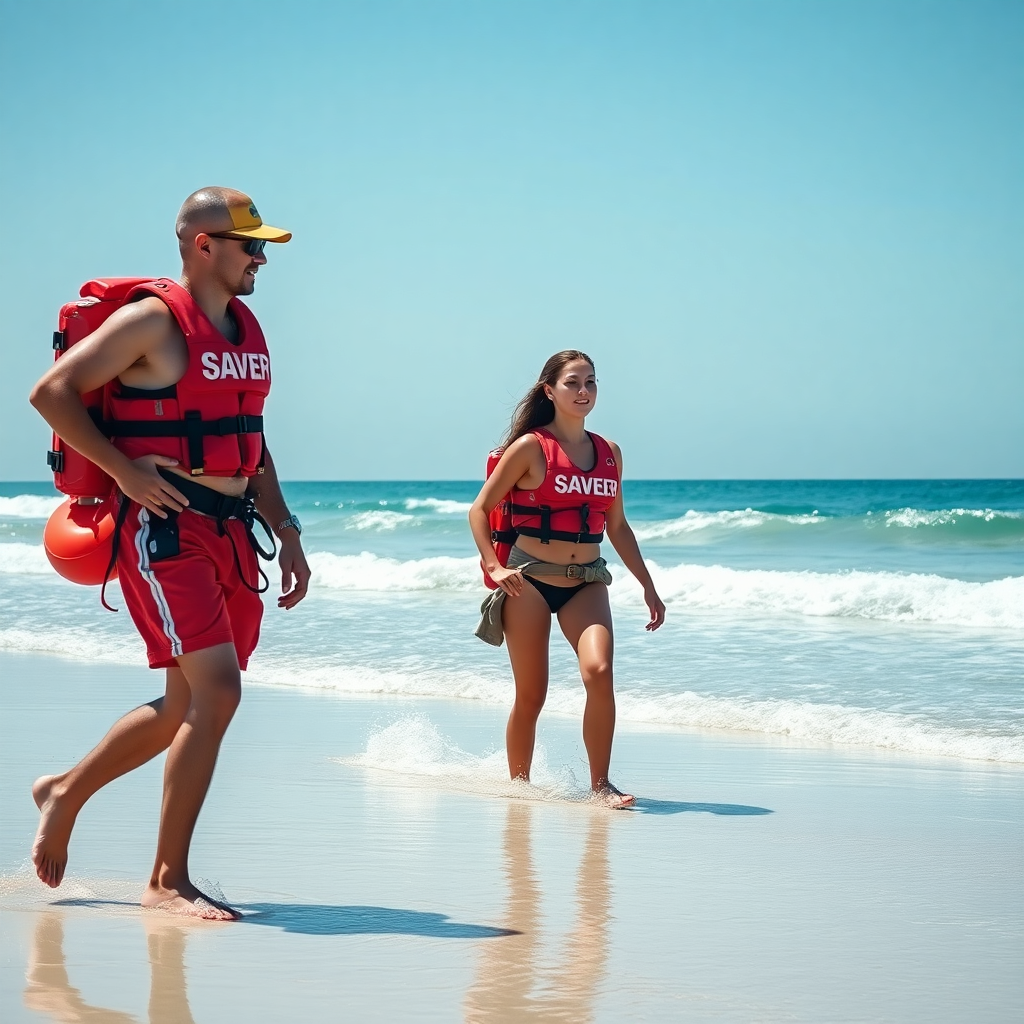
Heroism doesn’t always require grand gestures or dramatic rescues. Often, heroes in our neighborhoods emerge from ordinary individuals who rise to meet extraordinary circumstances. Psychologically, these acts are often rooted in prosocial behavior, which is the innate human tendency to help others.
One contributing factor is empathy—the ability to understand and share the feelings of others. Empathy inspires people to take action, particularly in situations involving someone in distress. Additionally, social norms play a significant role; individuals often feel a moral obligation to help when they perceive it as their social duty.
Interestingly, heroism in everyday settings may also be fueled by the “helper’s high,” a psychological phenomenon where aiding others leads to a sense of euphoria and fulfillment. This positive reinforcement can motivate individuals to engage in acts of bravery repeatedly, making heroism a cycle of emotional reward.
Extreme Situations
The Psychology Behind Extraordinary Acts
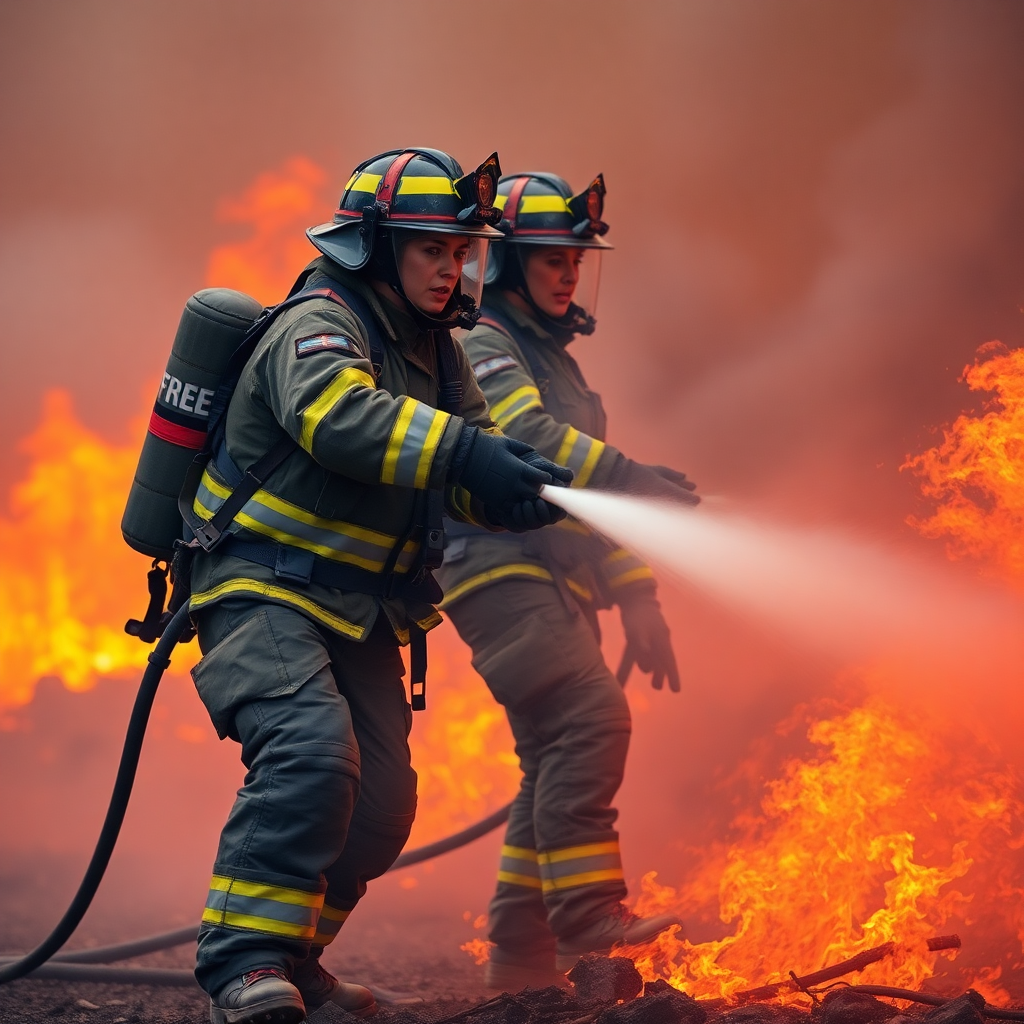
In extreme situations—such as natural disasters, accidents, or conflicts—heroic actions are driven by a mix of psychological, emotional, and cognitive factors. One key aspect is the “fight-or-flight” response, a biological reaction that heightens awareness, reaction time, and decision-making under pressure. Heroes often overcome fear through a combination of instinct and mental resilience.
Altruism also plays a significant role in extreme heroism. Studies suggest that individuals who put themselves at risk to save others experience a heightened sense of responsibility and connection to humanity. In some cases, moral courage overrides the instinct for self-preservation, enabling acts that seem almost superhuman.
Moreover, individuals exposed to adversity or hardship earlier in life may develop a stronger capacity for resilience and courage. These experiences shape their ability to remain calm under pressure and act decisively in dire situations, contributing to heroic behaviors.
The Role of Training and Preparedness
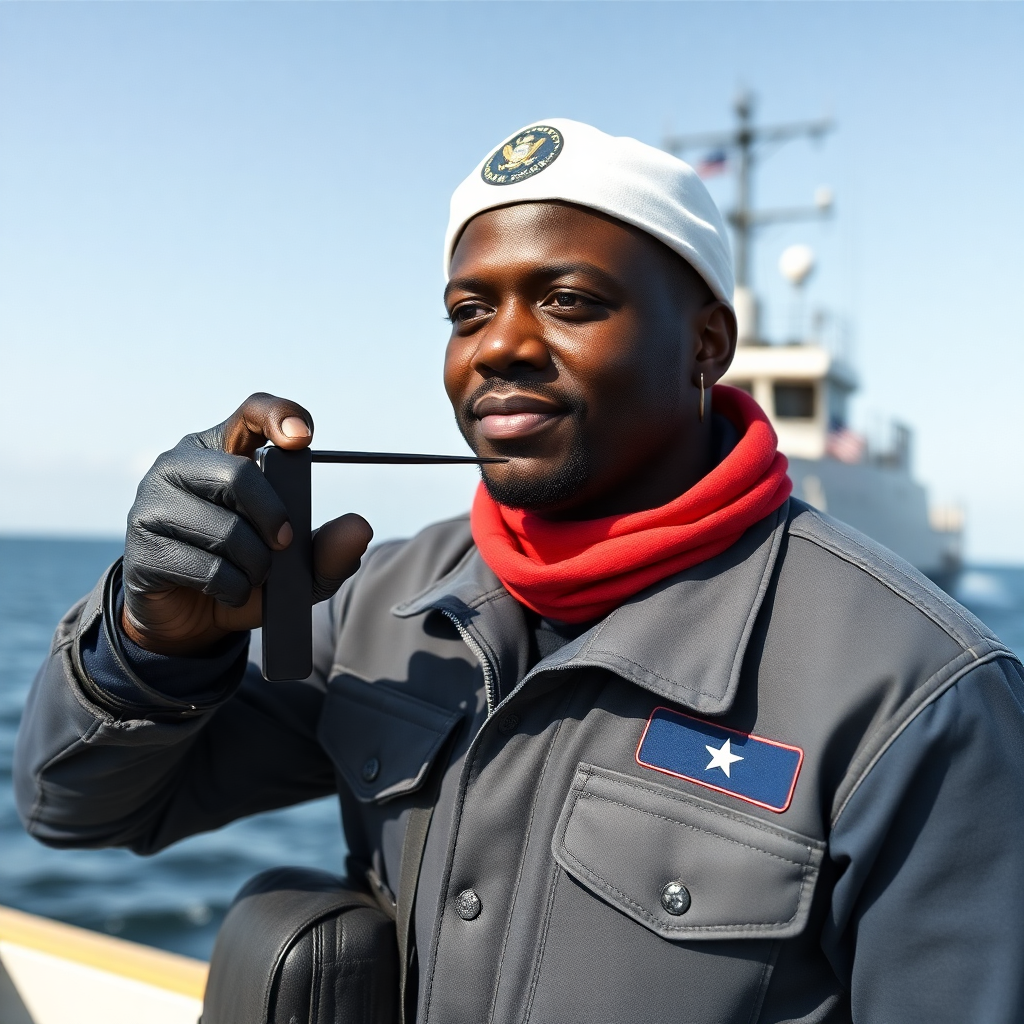
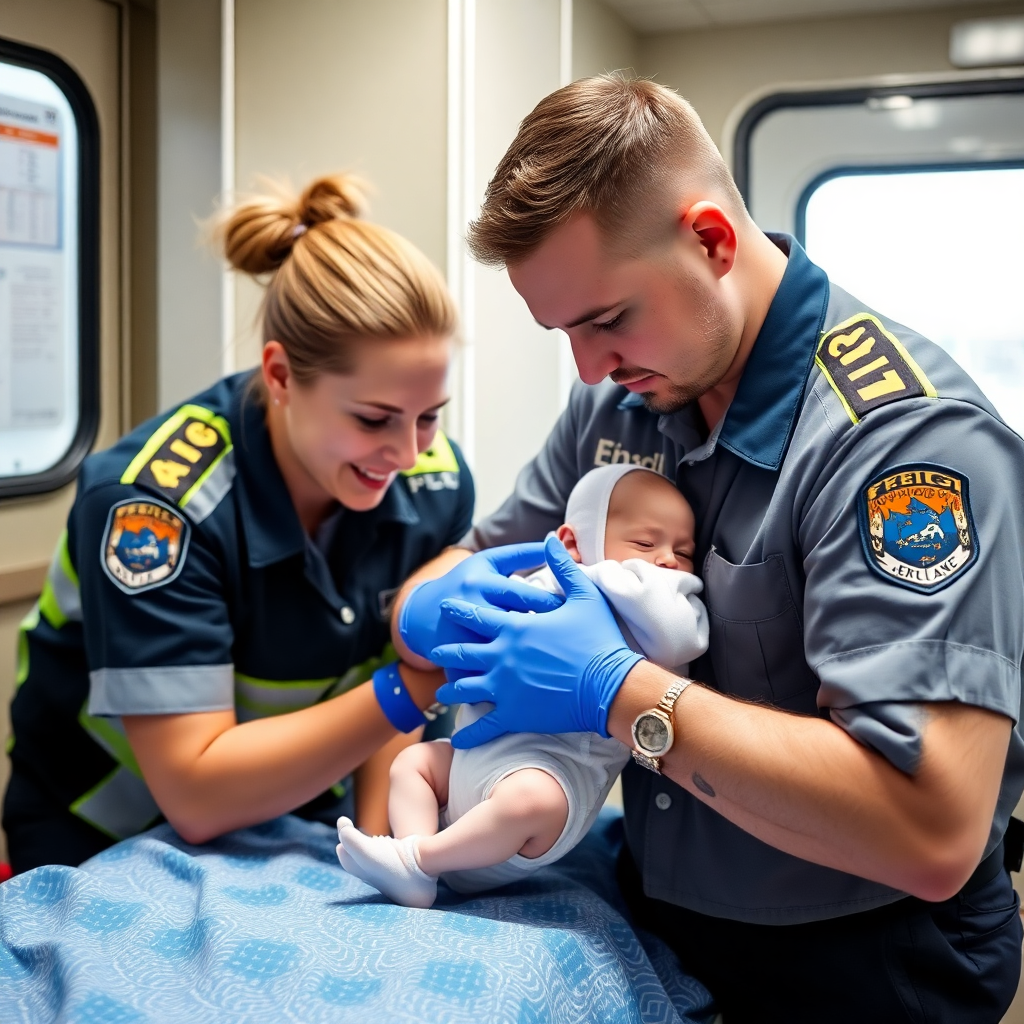
For many heroes, especially in extreme scenarios, training and preparedness are crucial. First responders, medical professionals, and rescue workers are equipped with skills that not only enhance their physical ability to act but also build mental resilience. This training enables them to remain composed and effective in high-stress situations, making their actions appear instinctive yet calculated.
Preparedness also extends to civilians. People who receive basic training in first aid, disaster response, or safety protocols are more likely to step forward during emergencies. This readiness reduces hesitation and empowers individuals to make quick, confident decisions that can save lives.
Common Threads Between Everyday and Extreme Heroism
While neighborhood heroes and those acting in extreme conditions may seem different, they share several psychological traits. Empathy, resilience, and altruism are central to all acts of heroism, as is the desire to make a positive impact. Both types of heroes reflect humanity’s deep-seated capacity for compassion and courage.
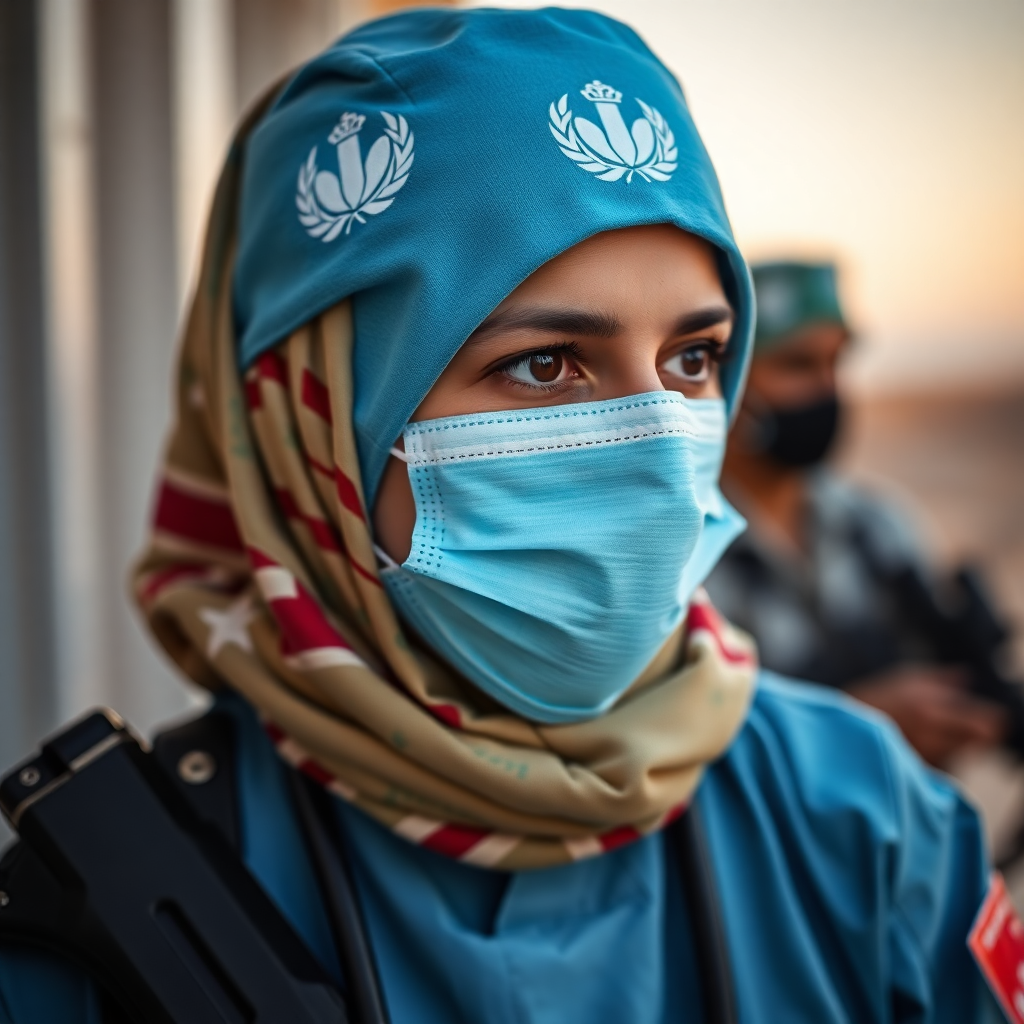
The Influence of Situational Factors on Heroism
Heroic behavior can be influenced significantly by situational factors. Research suggests that individuals are more likely to act heroically when the severity of the situation is clear and when they feel uniquely capable of intervening. Environmental triggers, such as the presence of others or a direct call for help, also play a key role in initiating heroic actions.
For example, the “bystander effect” demonstrates the importance of situational context—when a group of people witnesses an emergency, individuals are less likely to act, assuming others will. Heroes defy this tendency by recognizing their responsibility to take action, regardless of the crowd’s behavior.
The Impact of Cultural and Social Values on Heroism
Cultural and social values shape how heroism is perceived and enacted. In cultures that emphasize collectivism, acts of heroism may focus on protecting the community as a whole, while in individualistic societies, heroism often centers on personal bravery and independent action.
Social recognition and honor can also influence heroic behaviors. People who believe their actions will be acknowledged and appreciated are sometimes more motivated to act heroically. Conversely, selfless heroes act without expectation of praise, driven purely by their intrinsic sense of duty.
Heroism Through the Lens of Psychology and Neuroscience
From a psychological and neuroscientific perspective, heroic actions can be linked to activity in specific areas of the brain. For instance, the amygdala, responsible for processing emotions such as fear, plays a critical role in determining how individuals react to threats. Heroes often exhibit reduced amygdala activity, allowing them to stay calm under pressure.
Additionally, the prefrontal cortex, involved in decision-making and self-control, helps heroes evaluate risks and benefits in high-stakes situations. This interplay of emotional regulation and rational decision-making highlights the complex psychological and biological processes underpinning heroic behavior.
Conclusion
Heroism, whether it unfolds in the familiarity of our neighborhoods or amidst the chaos of extreme situations, reminds us of the best qualities humanity has to offer. At its core, heroism is about caring deeply enough to act—whether through small acts of kindness or immense sacrifices for others. By understanding what motivates heroes, we can not only celebrate their incredible contributions but also recognize our own potential for bravery and compassion. After all, the heart of heroism lies within each of us, waiting for the moment when we choose to rise to the occasion.
Join the Discussion
What drives people to act heroically? Is it empathy, resilience, social values, or something entirely unique? Are heroes born, or are they made through experiences and circumstances?
#Psychology #Heroism #EverydayHeroes #ActsOfCourage #Empathy #Resilience #Altruism #MoralCourage #FightOrFlight #Adversity #Bravery #Selflessness #TrainingAndPreparedness #SituationalFactors #BystanderEffect #SocialValues #CulturalInfluences #Collectivism #Individualism #IntrinsicMotivation #Neuroscience #Amygdala #PrefrontalCortex #EmotionalRegulation #FearlessActions #PositiveImpact #HumanConnection #HeroesAmongUs #Compassion #CelebrateBravery #BeTheChange




4 Comments