

Is Attraction Love Or Something Entirely Different
Attraction Love Or Something Else
Attraction is one of the most powerful forces in human experience, yet it is often misunderstood, especially when people try to determine whether the spark they feel is the beginning of love or simply a moment of emotional or physical pull. Many individuals confuse the intensity of attraction with the depth of love, believing that strong feelings must indicate something profound, even though attraction can arise quickly while love develops slowly. This confusion shapes relationships, expectations, and emotional decisions, often leading people to interpret temporary sensations as lasting meaning. When these forces are explored clearly, it becomes easier to see that attraction and love are related but fundamentally different experiences.
The Immediate Nature Of Attraction
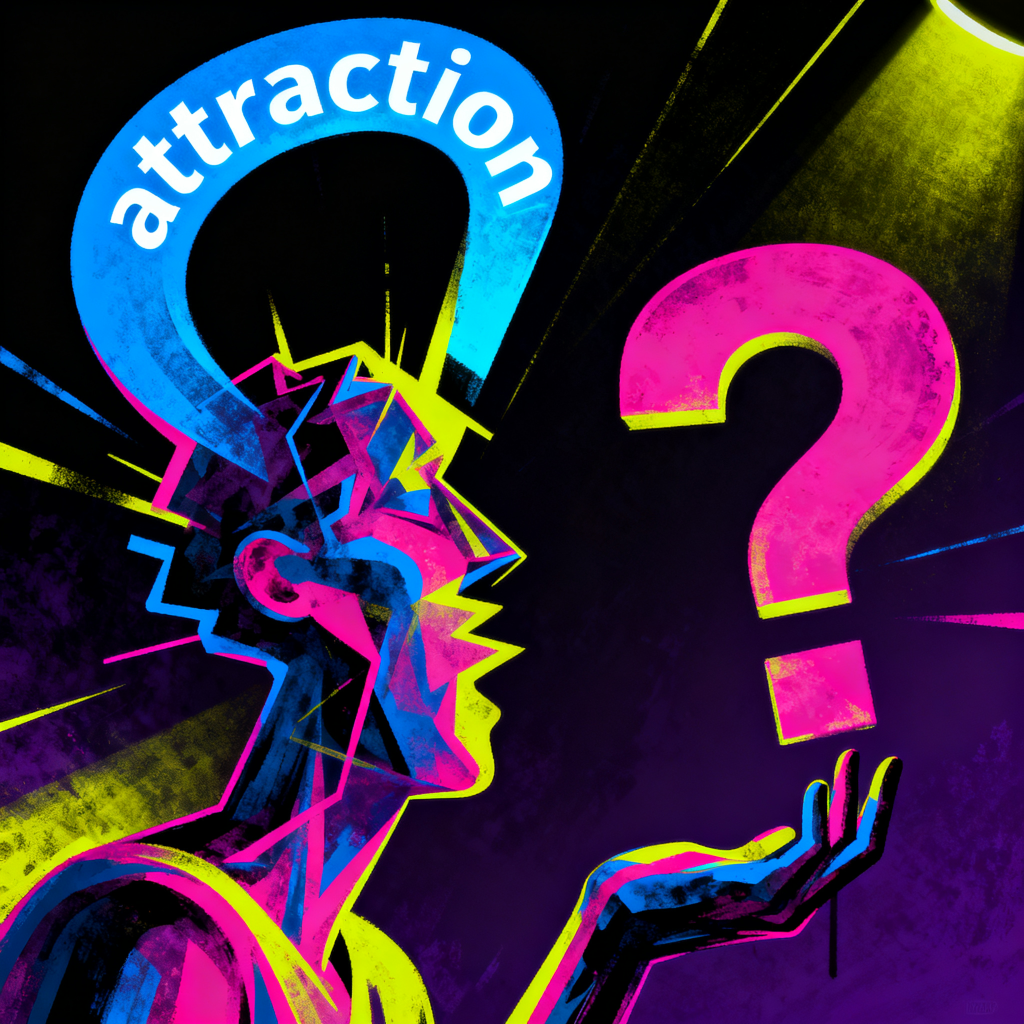
Attraction often appears suddenly, triggered by visual cues, personality traits, or subtle signals that create an instant sense of interest or excitement. This immediacy makes attraction feel powerful, even though it may not reflect deeper compatibility or emotional understanding. Because attraction is fast, it can create the illusion of connection before any real knowledge of the other person exists. People may mistake this intensity for love because the emotional rush feels meaningful, even though it is rooted in instinct rather than long-term attachment. The speed of attraction is one of the clearest signs that it is not the same as love.
Attraction Characteristics Table
| Feature | Attraction | Love |
|---|---|---|
| Speed | Immediate | Gradual |
| Basis | Instinct and perception | Understanding and commitment |
| Stability | Fluctuates | Strengthens over time |
| Depth | Surface-level | Multi-layered |
| Duration | Short or long | Long-term |
The Slow Development Of Love
Love grows through shared experiences, emotional vulnerability, and the gradual building of trust, making it fundamentally different from the quick spark of attraction. This slow development allows people to understand each other’s values, fears, strengths, and flaws, creating a bond that cannot be formed instantly. Love requires patience, communication, and a willingness to navigate challenges together, which means it cannot be based solely on initial feelings. People often confuse the early excitement of attraction with the beginnings of love, but true love emerges only when deeper emotional layers are revealed. The slow pace of love is what gives it strength and resilience.
Love Development Points
- Built through shared experiences
- Strengthened by emotional vulnerability
- Requires trust and communication
- Deepens over time
- Not dependent on initial intensity
The Biological Roots Of Attraction
Attraction is influenced by biological factors such as appearance, scent, voice, and subtle behavioural cues that signal compatibility or health. These biological triggers operate quickly and unconsciously, shaping how people respond to others without deliberate thought. Because these reactions are instinctive, they can create strong feelings that seem meaningful even when they are simply biological responses. Love, however, involves cognitive and emotional processes that go beyond instinct, requiring conscious choice and long-term investment. Understanding the biological roots of attraction helps explain why it feels powerful but does not guarantee lasting connection.
Biological Influence Table
| Biological Factor | Effect On Attraction | Relevance To Love |
|---|---|---|
| Appearance | Immediate interest | Minimal long-term impact |
| Scent | Subconscious pull | Limited influence |
| Voice | Emotional response | Secondary role |
| Behavioural cues | Perceived compatibility | Requires deeper understanding |
| Chemistry | Strong initial spark | Not a foundation for love |
The Emotional Depth Required For Love
Love requires emotional depth that cannot be formed through instinct alone, involving empathy, understanding, and a willingness to support another person through both joy and difficulty. This depth emerges only when people share meaningful conversations, navigate challenges, and reveal their authentic selves. Attraction may create the desire to connect, but it does not provide the emotional foundation needed for long-term stability. Love grows when individuals feel safe enough to be vulnerable and when they choose to invest in each other’s wellbeing. Emotional depth is one of the clearest distinctions between attraction and love.
Emotional Depth Points
- Requires vulnerability
- Built through shared challenges
- Strengthened by empathy
- Rooted in emotional safety
- Not created instantly
The Role Of Perception In Attraction
Attraction is often shaped by perception rather than reality, as people project their hopes, desires, or fantasies onto someone they barely know. This projection can make the other person seem more compatible or ideal than they truly are, creating a sense of connection based on imagination rather than understanding. Love, by contrast, requires seeing the other person clearly, including their imperfections and complexities. When perception drives attraction, the feelings may fade once reality becomes clearer. Recognising the role of perception helps distinguish temporary interest from genuine emotional connection.
Perception Table
| Influence | Attraction Effect | Love Effect |
|---|---|---|
| Idealisation | Increased intensity | Reduced clarity |
| Assumptions | False compatibility | Misunderstanding |
| Fantasy | Emotional excitement | Unrealistic expectations |
| Limited knowledge | Surface connection | Insufficient depth |
| Reality | Possible disappointment | Stronger bond |
The Stability Of Love Compared To Attraction
Attraction can fluctuate based on mood, environment, or changing circumstances, making it less stable than love. People may feel attracted one moment and indifferent the next, especially when the attraction is based on appearance or surface traits. Love, however, remains steady because it is built on emotional commitment and shared meaning. This stability allows love to endure challenges that attraction alone cannot withstand. Understanding this difference helps people avoid mistaking temporary feelings for lasting connection.
Stability Points
- Attraction fluctuates
- Love remains steady
- Emotional commitment strengthens love
- Surface traits weaken attraction
- Stability requires shared meaning
The Influence Of Compatibility On Love
Compatibility plays a significant role in love, shaping how well two people understand, support, and communicate with each other. Attraction may bring people together, but compatibility determines whether the relationship can grow and thrive. Without compatibility, attraction fades quickly, leaving little foundation for long-term connection. Love requires alignment in values, goals, and emotional needs, which cannot be determined through initial attraction alone. Compatibility is one of the strongest indicators of whether love can develop.
Compatibility Table
| Compatibility Factor | Attraction Impact | Love Impact |
|---|---|---|
| Values | Minimal | Essential |
| Communication style | Limited influence | Major influence |
| Life goals | Overlooked initially | Crucial long-term |
| Emotional needs | Unclear at first | Central to love |
| Conflict style | Hidden early | Revealed over time |
The Temporary Nature Of Attraction Without Connection
Attraction without emotional connection tends to fade quickly, especially when the initial excitement is not supported by deeper understanding. People may feel drawn to someone at first but lose interest once they realise there is little compatibility or shared meaning. This temporary nature highlights the difference between instinctive pull and lasting affection. Love requires connection that grows through shared experiences and emotional honesty. Without connection, attraction remains shallow and short-lived.
Connection Points
- Attraction fades without depth
- Connection strengthens love
- Shared experiences build meaning
- Emotional honesty deepens bonds
- Temporary feelings do not equal love
The Commitment Required For Love
Love requires commitment that goes beyond the initial excitement of attraction, involving effort, patience, and a willingness to support each other through challenges. This commitment cannot be formed instantly because it depends on trust and shared history. Attraction may spark interest, but it does not guarantee the dedication needed for long-term partnership. Love grows when people choose each other consistently, even when circumstances change. Commitment is one of the strongest indicators that love has formed.
Commitment Table
| Element | Attraction | Love |
|---|---|---|
| Effort | Minimal | Significant |
| Patience | Limited | Essential |
| Trust | Not established | Deeply rooted |
| Consistency | Uncertain | Reliable |
| Long-term focus | Absent | Present |
The Illusion Of Love Created By Intensity
Intense attraction can create the illusion of love because the emotional rush feels powerful and meaningful. This intensity may lead people to believe they have found something profound, even though the feelings are based on instinct rather than emotional depth. Love, however, is not defined by intensity but by stability, understanding, and mutual support. When intensity fades, the difference between attraction and love becomes clearer. Recognising this illusion helps people make more grounded emotional decisions.
Intensity Points
- Strong feelings can mislead
- Emotional rush mistaken for love
- Intensity fades quickly
- Love requires stability
- Clear thinking emerges over time
The Role Of Emotional Safety In Love
Love requires emotional safety, allowing people to express their fears, hopes, and vulnerabilities without judgment. Attraction does not guarantee this safety because it is based on instinct rather than trust. Emotional safety develops slowly as people learn to support each other through challenges and uncertainty. Without this foundation, relationships built solely on attraction struggle to grow. Emotional safety is one of the clearest signs that love has formed.
Emotional Safety Table
| Factor | Attraction | Love |
|---|---|---|
| Vulnerability | Limited | Encouraged |
| Trust | Uncertain | Strong |
| Support | Inconsistent | Reliable |
| Communication | Surface-level | Deep |
| Security | Unstable | Steady |
The Difference Between Wanting And Caring
Attraction is often centred on wanting someone, driven by desire, excitement, and the emotional pull that comes from instinctive interest. Love, however, is grounded in caring, which involves empathy, patience, and a genuine investment in the wellbeing of another person. Wanting can be intense but self-focused, while caring requires stepping outside personal desire to consider the needs and feelings of someone else. This distinction becomes clearer over time, especially when challenges arise and attraction alone is not enough to sustain connection. Love grows when caring becomes consistent, reliable, and deeply rooted in mutual respect.
Caring Points
- Wanting focuses on desire
- Caring prioritises wellbeing
- Attraction emphasises excitement
- Love emphasises support
- Caring strengthens long-term connection
The Role Of Shared Meaning In Love
Love is strengthened by shared meaning, which develops through experiences, conversations, and emotional understanding that cannot be formed instantly. Attraction may spark interest, but it does not create the shared history that gives relationships depth and resilience. Shared meaning emerges when people navigate life together, learning each other’s values, fears, and hopes. This shared foundation becomes the anchor that keeps love steady even when circumstances change. Without shared meaning, attraction remains temporary and fragile.
Shared Meaning Table
| Element | Attraction | Love |
|---|---|---|
| Shared history | Absent | Essential |
| Emotional understanding | Limited | Deep |
| Life experiences | Minimal | Significant |
| Mutual growth | Uncertain | Strong |
| Long-term meaning | Not established | Central |
The Influence Of Emotional Maturity On Love
Emotional maturity plays a crucial role in determining whether attraction can evolve into love, as it shapes how people communicate, handle conflict, and support each other. Attraction does not require maturity, which is why it can occur at any time and under any circumstances. Love, however, depends on emotional stability, self-awareness, and the ability to navigate challenges without withdrawing or reacting impulsively. When emotional maturity is present, relationships become more stable and fulfilling. Without it, attraction may remain intense but cannot transform into lasting love.
Emotional Maturity Points
- Supports healthy communication
- Strengthens conflict resolution
- Encourages empathy
- Reduces impulsive reactions
- Enables long-term connection
The Difference Between Fantasy And Reality
Attraction often thrives in fantasy, where people imagine ideal qualities or project their desires onto someone they barely know. This imagined version of the person can feel compelling, even though it may not reflect who they truly are. Love requires seeing the real person, including their imperfections, habits, and complexities. When fantasy fades, the difference between attraction and love becomes clearer, revealing whether the connection can survive reality. Love grows when people embrace each other authentically rather than through imagined ideals.
Fantasy Versus Reality Table
| Aspect | Attraction | Love |
|---|---|---|
| Perception | Idealised | Realistic |
| Expectations | High and imagined | Grounded and balanced |
| Understanding | Limited | Deep |
| Emotional clarity | Uncertain | Strong |
| Connection | Surface-level | Meaningful |
The Importance Of Consistency In Love
Consistency is one of the strongest indicators of love because it reflects reliability, emotional steadiness, and genuine commitment. Attraction does not require consistency, which is why it can fluctuate based on mood, environment, or novelty. Love becomes visible through repeated actions that show care, respect, and dedication over time. This consistency builds trust and emotional security, creating a foundation that attraction alone cannot provide. When consistency is present, relationships become more stable and fulfilling.
Consistency Points
- Builds trust
- Strengthens emotional security
- Demonstrates commitment
- Reduces uncertainty
- Supports long-term connection
The Way Love Survives Beyond Initial Excitement
Attraction often fades once the initial excitement settles, revealing whether there is enough emotional depth to sustain a relationship. Love, however, continues to grow even when the early intensity changes, adapting to new stages of connection. This ability to evolve makes love more resilient than attraction, which relies heavily on novelty and emotional rush. When excitement fades, love becomes more grounded, steady, and meaningful. This endurance is one of the clearest signs that love has formed.
Endurance Table
| Factor | Attraction | Love |
|---|---|---|
| Response to time | Weakens | Strengthens |
| Adaptability | Limited | High |
| Emotional depth | Shallow | Deep |
| Stability | Uncertain | Reliable |
| Long-term potential | Unclear | Strong |
The Role Of Choice In Love
Attraction is not a choice, as it arises instinctively and often without conscious intention. Love, however, is built through deliberate choices that reflect commitment, patience, and emotional investment. Choosing to support someone, communicate openly, and remain present during challenges requires intention that attraction alone cannot provide. These choices shape the strength and direction of the relationship. Love becomes visible through consistent actions rather than instinctive reactions.
Choice Points
- Attraction is instinctive
- Love is intentional
- Choices build trust
- Commitment requires effort
- Love grows through deliberate action
The Emotional Responsibility Present In Love
Love carries emotional responsibility, requiring people to consider how their actions affect the other person and the relationship as a whole. Attraction does not demand this responsibility, as it is focused on personal feelings rather than mutual wellbeing. Emotional responsibility includes honesty, respect, and the willingness to repair misunderstandings. When responsibility is present, relationships become healthier and more stable. Without it, attraction may remain intense but cannot evolve into love.
Responsibility Table
| Element | Attraction | Love |
|---|---|---|
| Accountability | Minimal | Strong |
| Respect | Variable | Consistent |
| Honesty | Limited | Essential |
| Repairing conflict | Uncertain | Prioritised |
| Mutual care | Weak | Deep |
The Difference Between Emotional Intensity And Emotional Stability
Attraction often brings emotional intensity, creating excitement, anticipation, and a sense of urgency. Love, however, is defined by emotional stability, offering comfort, security, and a sense of belonging. Intensity can feel thrilling but unpredictable, while stability provides the foundation for long-term connection. When people confuse intensity with love, they may overlook the importance of steadiness and emotional balance. Stability is one of the strongest indicators that love has formed.
Stability Points
- Intensity fluctuates
- Stability endures
- Love offers emotional grounding
- Attraction creates excitement
- Stability supports long-term growth
The Way Love Requires Understanding Beyond Attraction
Love requires understanding that goes beyond the surface-level impressions that shape attraction. This understanding develops through conversations, shared experiences, and emotional openness. Attraction may create the desire to connect, but it does not provide the knowledge needed to build a meaningful relationship. Love grows when people take the time to learn each other’s values, fears, and dreams. Understanding transforms connection from instinctive to intentional.
Understanding Table
| Aspect | Attraction | Love |
|---|---|---|
| Knowledge | Limited | Deep |
| Communication | Surface-level | Meaningful |
| Emotional insight | Minimal | Strong |
| Shared meaning | Absent | Present |
| Long-term clarity | Uncertain | Clear |
Conclusion
Attraction and love are connected but fundamentally different experiences, shaped by distinct emotional, psychological, and relational forces. Attraction arises quickly, driven by instinct, perception, and intensity, while love grows slowly through understanding, commitment, and emotional depth. When people recognise these differences, they can navigate relationships with greater clarity and avoid mistaking temporary feelings for lasting connection. Love requires patience, vulnerability, and shared meaning, qualities that cannot be formed instantly. Understanding the distinction between attraction and love allows relationships to develop more authentically and sustainably.
Join The Discussion
How do you think people can better distinguish between attraction and love in everyday relationships?
#HumanConnection #UnderstandingLove #RelationshipClarity #EmotionalDepth #AttractionVsLove #CommunicationMatters