Why Psychology Teaching Often Fails To Create A Social Environment
Why Psychology Teaching Often Fails To Create A Social Environment And How That Degrades Learning
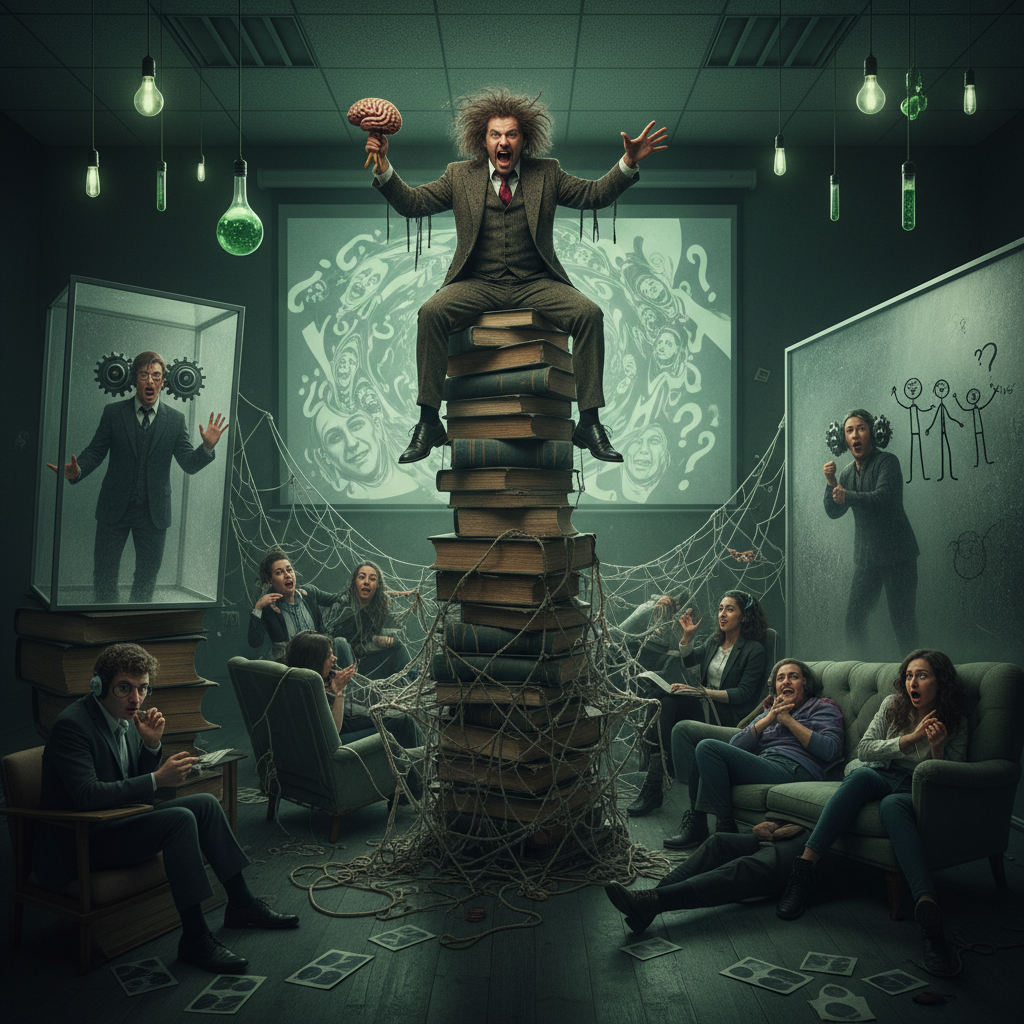
Psychology and Psychology Teaching is a field built on human connection, yet many classrooms unintentionally strip away the very social dynamics that make the subject meaningful, leaving students with theories but no lived sense of how those theories breathe in real interactions. When teaching becomes overly rigid, overly theoretical, or overly focused on individual performance, the social fabric that psychology depends on begins to unravel, creating an environment that feels disconnected from the subject’s core purpose.
Students often find themselves memorising concepts about relationships, behaviour, and communication while sitting in rooms that do not encourage conversation, collaboration, or emotional engagement. This disconnect can make the learning experience feel hollow, as though the heart of psychology has been removed and replaced with a list of terms to recall for exams.
A Note
This perspective does not apply to every country, institution, or curriculum, as psychology is taught differently across regions and educational systems. The points explored here reflect broader patterns that appear in many learning environments, but the depth, structure, and social emphasis of psychology programs can vary widely depending on cultural expectations, academic traditions, and local teaching philosophies. Some countries prioritise collaborative learning, while others focus more heavily on theory or individual assessment, creating very different classroom experiences. These variations mean that the issues discussed may be more pronounced in some contexts than others, yet they still highlight important themes that influence how psychology is understood and taught around the world.
The Disconnection Between Theory And Human Interaction
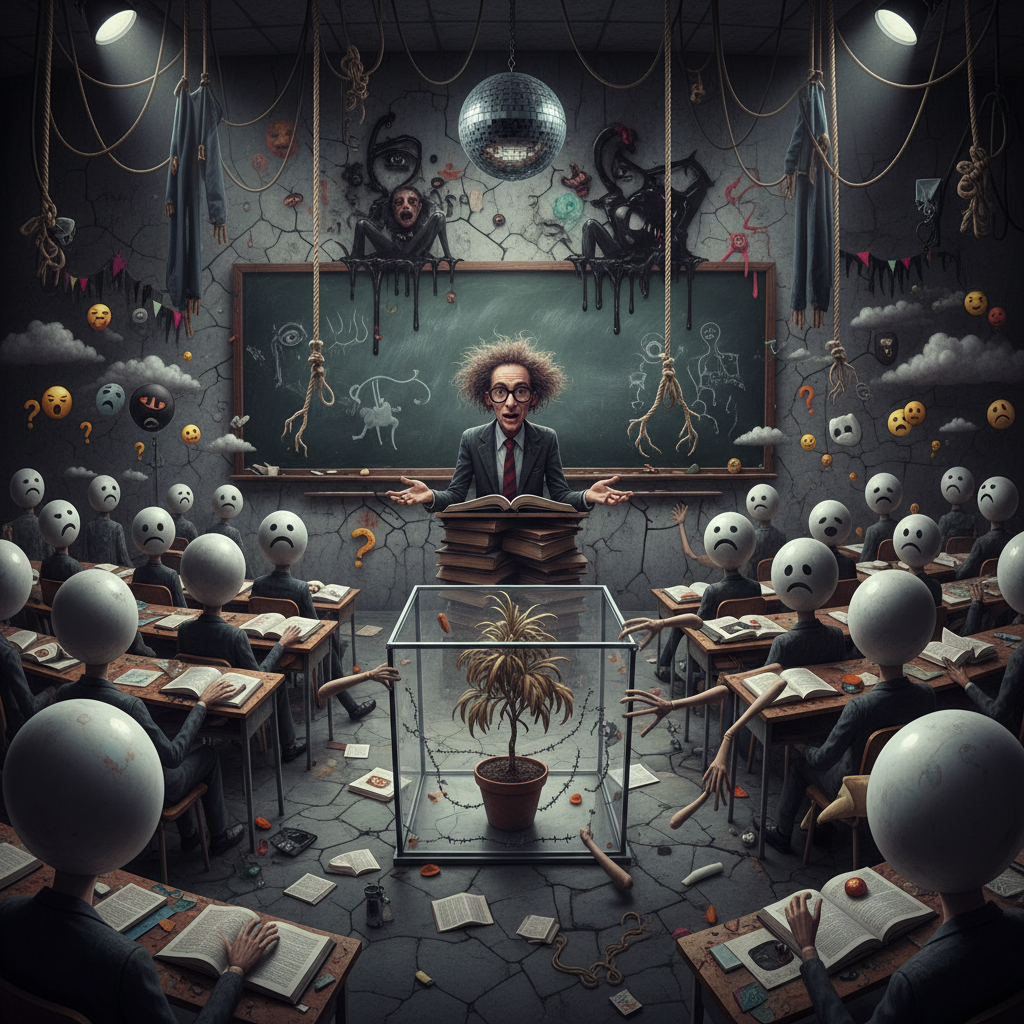
Many psychology classrooms rely heavily on theoretical instruction, creating an environment where students learn about human behaviour without actually engaging in the behaviours they study. This creates a strange contradiction where students can explain concepts like social bonding, group dynamics, and emotional regulation while rarely experiencing them in the classroom itself. When teaching becomes a one-way flow of information, students lose the opportunity to explore how psychological principles unfold in real time through conversation, observation, and shared reflection.
This disconnect can make the subject feel abstract, as though it exists only in textbooks rather than in the living world around them. Without social interaction, the learning experience becomes narrower, less engaging, and less reflective of the field’s true nature.
Theory Versus Interaction Table
| Teaching Approach | Student Experience | Impact On Learning |
|---|---|---|
| Lecture-heavy | Passive absorption | Reduced engagement |
| Discussion-based | Active participation | Deeper understanding |
| Group exploration | Shared insight | Stronger retention |
| Real-world examples | Emotional connection | Meaningful learning |
| Isolated study | Limited perspective | Fragmented knowledge |
The Lack Of Social Space In Traditional Classrooms
Many psychology classrooms are structured in ways that discourage social interaction, with seating arrangements, time constraints, and rigid lesson plans that leave little room for natural conversation. Students often sit in rows facing a single instructor, creating a dynamic that mirrors authority rather than collaboration. This setup makes it difficult for students to share ideas, challenge assumptions, or explore concepts through dialogue, even though psychology thrives on these forms of exchange. When the physical environment restricts social engagement, students may feel disconnected from one another and from the subject itself. The absence of social space limits the depth of learning and reduces the sense of community that psychology requires.
Social Space Limitations
- Seating arrangements that discourage collaboration
- Limited time for open discussion
- Overemphasis on individual performance
- Lack of group-based exploration
- Environments that prioritise silence over interaction
The Emotional Distance Created By Formal Teaching Styles
Formal teaching styles can unintentionally create emotional distance, making students feel as though they are studying human behaviour from behind a glass wall rather than participating in it. When instructors maintain strict boundaries, avoid personal examples, or discourage emotional expression, students may feel hesitant to share their thoughts or experiences. This emotional distance can make the classroom feel sterile, even when the subject matter is deeply personal and emotionally rich.
Students may learn definitions of empathy without ever experiencing empathy within the learning environment. The absence of emotional connection weakens the foundation of psychological understanding.
Emotional Distance Table
| Teaching Style | Student Response | Effect On Engagement |
|---|---|---|
| Highly formal | Hesitation | Reduced openness |
| Warm and open | Comfort | Increased participation |
| Detached | Disconnection | Lower motivation |
| Relatable | Trust | Stronger involvement |
| Strictly academic | Emotional withdrawal | Limited insight |
The Overemphasis On Individual Assessment
Psychology teaching often relies heavily on individual assessments such as essays, exams, and written reflections, which can unintentionally discourage collaboration and shared learning. When students are evaluated primarily on solitary work, they may feel pressured to compete rather than connect, even though psychology emphasises the importance of social bonds. This focus on individual performance can create an environment where students hesitate to share ideas for fear of losing an academic advantage.
The result is a classroom that feels fragmented, with each student working in isolation rather than learning through collective exploration. This undermines the social nature of psychological understanding.
Assessment-Based Influences
- Increased competition
- Reduced collaboration
- Hesitation to share insights
- Pressure to perform alone
- Limited exposure to diverse perspectives
The Isolation Caused By Competitive Academic Culture
Many psychology programs unintentionally create competitive environments where students feel pressured to outperform one another rather than learn collaboratively, which contradicts the social foundations of the discipline. This competitive atmosphere can make students reluctant to share ideas, fearing that openness might weaken their academic standing or expose vulnerabilities. When competition replaces cooperation, the classroom becomes a space where students protect their insights instead of exploring them together, limiting the depth of understanding that emerges from shared reflection.
Psychology thrives on collective interpretation, yet competitive structures push students into isolated learning patterns that weaken their ability to engage socially. Over time, this isolation can make the subject feel more like a solitary challenge than a shared exploration of human behaviour, reducing the richness of the learning experience. Students may begin to associate psychology with pressure rather than curiosity, which undermines their motivation to engage deeply with the material.
The competitive culture also discourages risk-taking, as students fear that mistakes will harm their grades rather than contribute to growth. This creates a rigid environment where creativity and experimentation are stifled, even though psychology depends on open inquiry. When students feel isolated, they lose the opportunity to learn from diverse perspectives, which is essential for understanding complex psychological concepts. The absence of social learning weakens their ability to apply theory to real-world situations.
This isolation also affects emotional wellbeing, as students may feel disconnected from peers who could otherwise support their learning journey. The competitive culture can create a sense of loneliness that contradicts the collaborative spirit of psychology. Without social engagement, students struggle to develop the interpersonal skills that psychology requires. The result is a learning environment that feels disconnected from the subject’s core values. This disconnect ultimately degrades the quality of psychological education.
Competitive Culture Table
| Academic Factor | Student Impact | Learning Effect |
|---|---|---|
| High competition | Increased stress | Reduced collaboration |
| Grade pressure | Fear of mistakes | Limited exploration |
| Individual ranking | Isolation | Narrow perspective |
| Performance focus | Reduced curiosity | Lower engagement |
| Lack of teamwork | Weak social skills | Fragmented understanding |
The Absence Of Real Dialogue In Psychology Classrooms
Dialogue is essential for understanding psychological concepts, yet many classrooms rely on monologues delivered by instructors who unintentionally dominate the learning space. When students are not encouraged to speak, question, or challenge ideas, they lose the opportunity to develop the conversational skills that psychology depends on. Real dialogue requires openness, vulnerability, and the freedom to express uncertainty, but many teaching environments prioritise correctness over exploration. This creates a dynamic where students listen passively rather than engage actively, weakening their ability to internalise complex theories.
Without dialogue, students cannot test their interpretations, refine their thinking, or learn from the perspectives of others. The absence of conversation also limits emotional engagement, making the subject feel distant and mechanical. Students may begin to view psychology as a collection of facts rather than a living study of human experience. Dialogue is where psychological insight emerges, yet many classrooms silence this process through rigid structures. When students do not speak, they cannot connect theory to personal experience, which is essential for meaningful learning.
The lack of dialogue also reduces critical thinking, as students are not exposed to alternative viewpoints. This silence creates a passive learning culture that contradicts the interactive nature of psychology. Without conversation, students struggle to develop the interpersonal awareness that the field requires. The absence of dialogue ultimately weakens the foundation of psychological education. A subject built on communication cannot thrive in an environment where communication is restricted.
Dialogue Limitations
- Reduced critical thinking
- Limited emotional engagement
- Fewer opportunities for shared insight
- Lower confidence in expressing ideas
- Weak connection between theory and experience
The Overreliance On Textbook Learning
Textbooks provide structure, but when they become the primary source of learning, psychology loses its human dimension and becomes a static collection of definitions. Students may memorise terms without understanding how they apply to real interactions, which weakens their ability to use psychological concepts in meaningful ways. Textbook-heavy teaching often discourages exploration, as students focus on recalling information rather than interpreting it. This creates a learning environment where knowledge feels rigid rather than dynamic, even though psychology is constantly evolving. When students rely solely on textbooks, they miss the richness of lived experience, case studies, and real-world observation.
Textbooks cannot capture the emotional complexity of human behaviour, yet many classrooms treat them as the ultimate authority. This overreliance can make psychology feel distant from everyday life, reducing students’ motivation to engage deeply. Students may begin to see the subject as something to memorise rather than something to experience. Without real-world context, psychological concepts lose their relevance. The absence of experiential learning also limits students’ ability to develop empathy, which is essential for understanding human behaviour.
Textbook learning creates a narrow view of psychology that does not reflect its true depth. Students may feel disconnected from the subject’s emotional and social dimensions. This disconnect weakens their ability to apply psychological principles outside the classroom. Overreliance on textbooks ultimately degrades the quality of psychological education.
Textbook Versus Experience Table
| Learning Method | Student Experience | Educational Value |
|---|---|---|
| Textbook-only | Memorisation | Limited depth |
| Case studies | Emotional engagement | Stronger insight |
| Real-world observation | Practical understanding | Applied learning |
| Group discussion | Shared interpretation | Broader perspective |
| Experiential tasks | Active involvement | Deeper retention |
The Failure To Encourage Social Learning Behaviours
Social learning is at the heart of psychology, yet many classrooms fail to encourage the behaviours that make social learning possible. Students often sit silently, absorbing information without interacting, even though interaction is essential for understanding how people think, feel, and behave. When classrooms discourage collaboration, students lose the opportunity to learn from one another’s experiences and interpretations. Social learning requires openness, curiosity, and the freedom to explore ideas collectively, but many teaching environments restrict these behaviours. Without social engagement, students cannot develop the interpersonal awareness that psychology demands. The absence of social learning also reduces motivation, as students feel disconnected from the subject’s human dimension.
When students do not interact, they miss the chance to build supportive relationships that enhance learning. Social learning helps students understand the emotional and relational aspects of psychology, yet many classrooms overlook this entirely. The failure to encourage social behaviours creates a sterile environment that contradicts the field’s core principles. Students may begin to view psychology as an isolated academic exercise rather than a study of human connection. This disconnect weakens their ability to apply psychological concepts in real-world situations. Without social learning, the subject loses its depth and relevance. The absence of social behaviours ultimately degrades the quality of psychological education.
Social Learning Influences
- Increased engagement through interaction
- Stronger understanding through shared insight
- Emotional connection to material
- Development of interpersonal skills
- Greater motivation to explore concepts
The Misalignment Between Psychological Content And Classroom Atmosphere
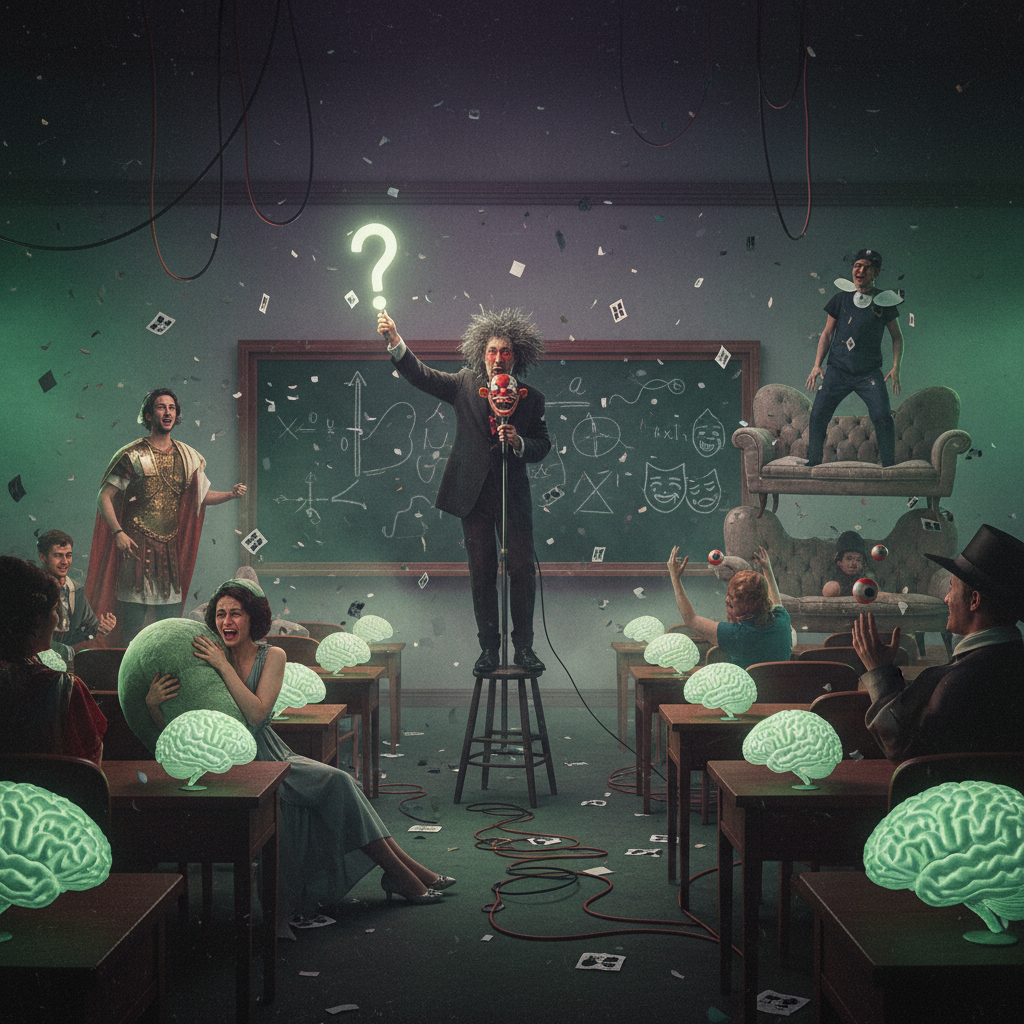
Psychology explores emotion, behaviour, and human connection, yet many classrooms feel emotionally flat, creating a contradiction that students sense immediately. When the atmosphere lacks warmth, openness, or curiosity, students struggle to connect the material to real human experiences, making the subject feel distant and overly academic. This misalignment creates a subtle tension where students learn about empathy without experiencing empathy, learn about communication without communicating, and learn about relationships without forming any meaningful connections.
The classroom becomes a place where psychological concepts are discussed in isolation, stripped of the emotional richness that gives them meaning. Students may begin to feel that psychology is something to analyse rather than something to live, weakening their engagement with the subject. This disconnect can also create confusion, as students wonder why the environment does not reflect the principles they are being taught. When the atmosphere contradicts the content, learning becomes fragmented and less intuitive. Students may internalise the idea that psychology is purely intellectual rather than deeply human, which limits their ability to apply it in real-world situations. The lack of emotional resonance also reduces retention, as students remember experiences far more vividly than abstract explanations.
Without an atmosphere that mirrors psychological principles, the subject loses its depth and vitality. Students may feel disconnected from the material, even if they understand it intellectually. This misalignment ultimately weakens the foundation of psychological education. A subject built on human experience cannot thrive in an environment that feels emotionally empty. The atmosphere must support the content for learning to be meaningful.
Atmosphere Alignment Table
| Classroom Atmosphere | Student Response | Learning Effect |
|---|---|---|
| Warm and open | Increased comfort | Stronger engagement |
| Emotionally flat | Disconnection | Reduced retention |
| Collaborative | Shared insight | Deeper understanding |
| Rigid and formal | Hesitation | Limited exploration |
| Supportive | Confidence | Active participation |
The Lack Of Real-World Application In Teaching
Psychology becomes far less meaningful when students cannot see how theories apply to real situations, real people, and real emotional experiences. Many classrooms focus heavily on abstract concepts without offering opportunities to observe or practise psychological principles in action. This creates a gap between knowledge and application, leaving students with information they cannot fully use. Real-world application is essential for understanding how psychological ideas function outside the classroom, yet many teaching environments overlook this entirely. When students cannot connect theory to lived experience, the subject feels incomplete and disconnected from everyday life.
This lack of application also reduces motivation, as students struggle to see the relevance of what they are learning. Without practical examples, psychological concepts remain theoretical rather than transformative. Students may begin to memorise information without internalising it, weakening their ability to apply it in future careers or personal situations. Real-world application brings psychology to life, yet many classrooms fail to provide this essential dimension.
The absence of practical learning also limits students’ ability to develop empathy, observation skills, and emotional awareness. These qualities cannot be learned solely through reading; they require experience. When teaching lacks real-world context, psychology loses its human depth. Students deserve opportunities to see how psychological principles shape everyday interactions. Without this, the subject becomes a collection of disconnected ideas rather than a living study of human behaviour.
Application Limitations
- Reduced relevance
- Lower motivation
- Limited emotional connection
- Weak practical understanding
- Difficulty applying concepts outside class
The Failure To Build A Sense Of Community Among Students
A strong sense of community is essential for learning psychology, yet many classrooms fail to cultivate the relationships that make shared learning meaningful. When students do not feel connected to one another, they are less likely to share insights, ask questions, or explore ideas collaboratively. Community creates a foundation of trust that allows students to express vulnerability, which is essential for understanding psychological concepts. Without this sense of belonging, students may feel isolated, even when surrounded by peers.
The absence of community weakens the social dimension of learning, making the classroom feel more like a collection of individuals than a shared space of exploration. Students may hesitate to participate, fearing judgement or misunderstanding. This hesitation limits the depth of discussion and reduces the richness of the learning experience. Community also supports emotional wellbeing, helping students feel grounded and supported as they navigate complex material. When classrooms fail to build community, students lose the opportunity to learn from diverse perspectives.
This reduces the breadth of understanding that psychology requires. A strong community transforms the classroom into a living example of psychological principles, yet many teaching environments overlook this entirely. Without community, learning becomes fragmented and less meaningful. Students deserve a space where they feel connected, supported, and understood. Community is not optional in psychology; it is foundational.
Community Building Table
| Community Element | Student Benefit | Learning Outcome |
|---|---|---|
| Shared trust | Emotional safety | Deeper discussion |
| Peer connection | Support | Increased confidence |
| Collaborative tasks | Shared insight | Broader perspective |
| Open communication | Comfort | Active participation |
| Inclusive environment | Belonging | Stronger engagement |
The Overlooking Of Emotional Learning As A Core Component
Emotional learning is central to psychology, yet many classrooms treat it as secondary, focusing instead on cognitive understanding and theoretical recall. This creates a learning environment where students understand concepts intellectually but lack the emotional depth needed to apply them meaningfully. Emotional learning requires vulnerability, reflection, and connection, yet many teaching environments discourage these qualities.
When students cannot explore their emotional responses, they lose the opportunity to understand how psychological principles shape their own lives. This weakens their ability to empathise with others and to interpret behaviour in nuanced ways. Emotional learning also strengthens memory, as emotionally charged experiences are far more memorable than abstract explanations. Without emotional engagement, students may struggle to retain information or connect it to real-world situations. The absence of emotional learning creates a gap between knowledge and understanding. Students may know the definitions of psychological terms without grasping their lived significance.
Emotional learning transforms psychology from a subject to a lived experience, yet many classrooms overlook this entirely. When emotional learning is ignored, the subject loses its human depth. Students deserve opportunities to explore how psychological concepts resonate within themselves. Without this, learning becomes incomplete and less meaningful.
Emotional Learning Influences
- Increased empathy
- Stronger memory
- Deeper personal insight
- Greater emotional awareness
- More meaningful application
The Disconnect Between Psychological Theory And Classroom Relationships
Psychology depends on relationships, yet many classrooms fail to cultivate the interpersonal connections that make learning meaningful, creating a contradiction that students feel even if they cannot articulate it. When students do not form relationships with one another, they lose the opportunity to explore psychological concepts through shared experience, which weakens their understanding of how human behaviour unfolds in real life. Relationships provide context, emotional grounding, and a sense of belonging, yet many teaching environments overlook this entirely.
Without relational depth, students may feel disconnected from the subject, even if they understand the material intellectually. This disconnect can make psychology feel abstract, as though it exists only in theory rather than in the lived experiences of real people. Students may hesitate to share personal insights, fearing judgement or misunderstanding, which limits the richness of classroom discussion. Relationships also support emotional safety, allowing students to explore vulnerable topics with confidence. When classrooms lack relational warmth, students may withdraw, reducing participation and engagement. This withdrawal weakens the social dimension of learning, which is essential for understanding psychological principles. Relationships help students see how concepts apply to themselves and others, yet many classrooms fail to provide this foundation.
Without relational connection, learning becomes fragmented and less meaningful. Students deserve environments where they feel seen, heard, and valued. When relationships are absent, the subject loses its human depth. This disconnect ultimately degrades the quality of psychological education.
Relationship Alignment Table
| Relationship Element | Student Benefit | Learning Effect |
|---|---|---|
| Trust | Emotional safety | Deeper exploration |
| Peer connection | Shared insight | Broader understanding |
| Supportive environment | Confidence | Active participation |
| Open communication | Comfort | Stronger engagement |
| Collaborative spirit | Belonging | Meaningful learning |
The Overlooking Of Social Context In Psychological Learning
Psychology cannot be separated from social context, yet many classrooms teach concepts as though they exist in isolation, disconnected from culture, environment, and lived experience. When students learn theories without understanding the social forces that shape behaviour, they develop a narrow view of psychology that lacks depth and nuance. Social context influences everything from emotional expression to decision-making, yet many teaching environments treat it as an afterthought. This oversight creates a learning experience that feels incomplete, as though students are studying human behaviour in a vacuum. Without social context, psychological concepts lose their relevance and complexity.
Students may struggle to apply theories to real-world situations, as they lack the broader understanding needed to interpret behaviour accurately. Social context also shapes identity, relationships, and emotional experience, all of which are central to psychology. When classrooms ignore these dimensions, students miss the opportunity to explore how psychological principles interact with culture and environment. This limits their ability to think critically and empathetically.
Social context brings psychology to life, yet many classrooms overlook this essential element. Without it, learning becomes rigid and overly simplified. Students deserve opportunities to explore how psychological concepts function within diverse social realities. When social context is ignored, the subject loses its richness. This oversight ultimately weakens the foundation of psychological education.
Social Context Influences
- Broader understanding of behaviour
- Increased cultural awareness
- Stronger critical thinking
- Deeper empathy
- More accurate interpretation of real-world situations

The Need For A More Human Approach To Teaching Psychology
Psychology is a deeply human subject, yet many classrooms teach it in ways that feel mechanical, detached, or overly academic, stripping away the emotional and relational depth that gives the field its meaning. Students learn best when they feel connected, supported, and engaged, yet many teaching environments prioritise structure over humanity. A more human approach would encourage vulnerability, curiosity, and shared exploration, allowing students to experience psychological principles rather than simply memorise them.
When teaching becomes more human, students feel safe to express themselves, ask questions, and explore ideas without fear of judgement. This creates a learning environment that mirrors the essence of psychology itself. A human approach also strengthens emotional engagement, which enhances memory and deepens understanding. Students begin to see psychology not as a set of theories but as a lens through which to understand themselves and others. This shift transforms learning from a passive process into an active, meaningful experience. When classrooms embrace humanity, they create space for connection, empathy, and growth.
Students deserve environments that honour the emotional and relational nature of psychology. Without a human approach, the subject loses its heart. Teaching psychology requires more than information; it requires presence, openness, and genuine connection. A human approach restores the depth and vitality that psychology deserves.
Human-Centred Learning Table
| Human Element | Student Experience | Learning Outcome |
|---|---|---|
| Emotional openness | Comfort | Stronger retention |
| Shared exploration | Engagement | Deeper insight |
| Supportive environment | Confidence | Active participation |
| Relational warmth | Belonging | Meaningful learning |
| Authentic communication | Trust | Broader understanding |
Conclusion
Psychology loses its essence when it is taught in environments that lack social connection, emotional depth, and opportunities for shared exploration. Students may understand theories intellectually, but without real interaction, the subject becomes hollow and disconnected from the human experiences it seeks to explain. A meaningful psychology education requires community, dialogue, emotional engagement, and a classroom atmosphere that reflects the principles being taught. When these elements are missing, learning becomes fragmented, less memorable, and less transformative. Restoring the social and emotional dimensions of teaching allows psychology to become what it was always meant to be: a living study of human behaviour, shaped by connection, curiosity, and shared understanding.
Join The Discussion
How do you think psychology teaching could become more human, more social, and more reflective of the subject’s true nature?
#HumanLearning #PsychologyEducation #SocialEnvironment #LearningTogether #TeachingWithHeart #UnderstandingPeople