
Strange Exploration Of People And The Mind
Strange Exploration Of People
People move through the world shaped by inner patterns that influence how they react, connect, and interpret their surroundings, creating a quiet interplay between experience and thought. The mind becomes a space where impressions gather and form meaning, guiding choices in ways that often feel instinctive. Each person carries a private landscape shaped by memories, hopes, and shifting emotions.
This inner world colours how they respond to challenges and opportunities. People often navigate life by balancing what they feel with what they hope to achieve. The mind becomes a companion that both reflects and shapes their journey. It offers room for imagination, reflection, and quiet processing. People rely on this inner space to make sense of their relationships and ambitions. The mind becomes a place where stories form long before they are spoken. People and the mind remain deeply connected through this ongoing internal dialogue. Together, they create the rhythm of human experience.
The Inner Landscape People Carry
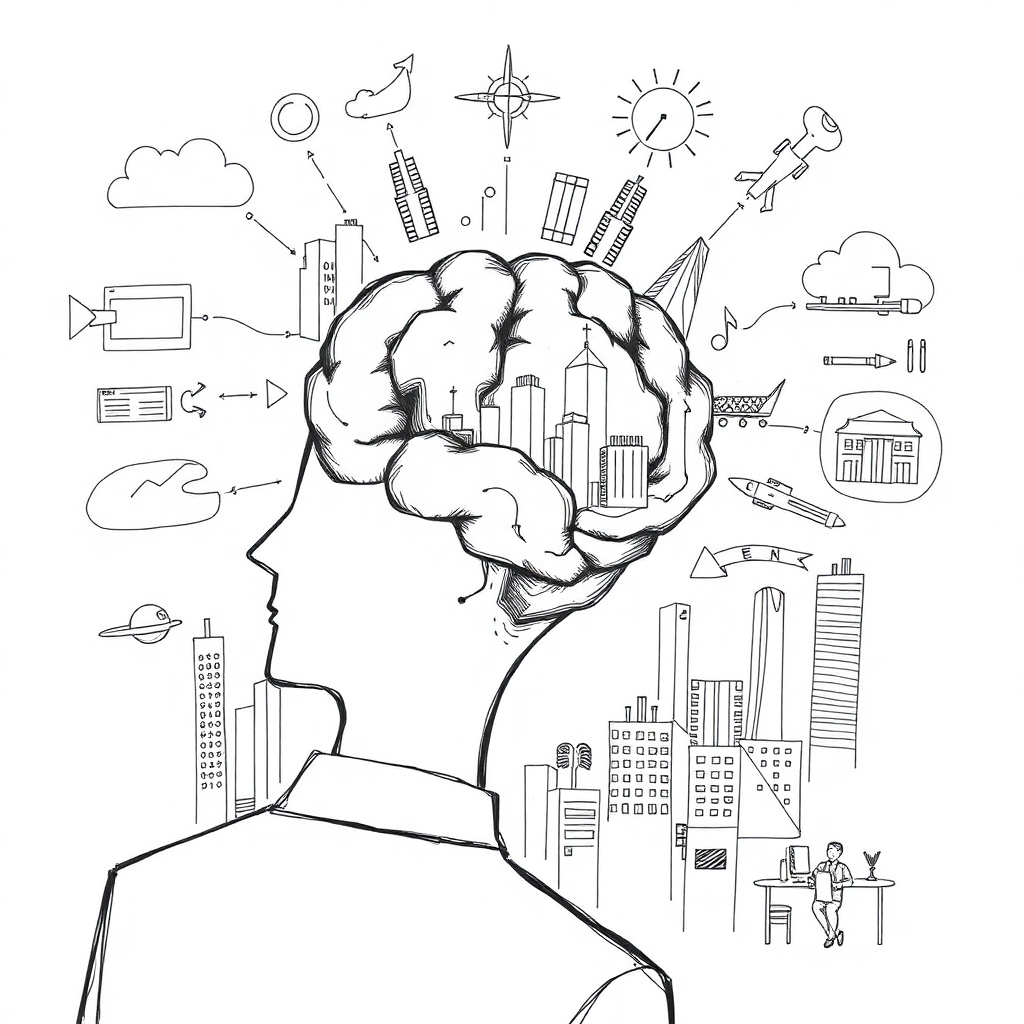
People move through life with an inner landscape shaped by impressions, memories, and subtle emotional shifts that influence how they interpret each moment. This landscape changes as new experiences reshape old patterns. The mind becomes a place where thoughts gather and form meaning. People often rely on this inner space to navigate uncertainty. The landscape can feel calm at times and turbulent at others.
Each shift affects how people respond to the world around them. The mind holds these changes quietly, allowing them to unfold at their own pace. People draw strength from this internal terrain when facing challenges. The landscape becomes a guide that helps them recognise what matters. It shapes how they connect with others. The inner world becomes a foundation for personal growth.
Elements Of The Inner Landscape
| Element | Influence | Emotional Tone | Personal Effect |
|---|---|---|---|
| Memory | Shapes perspective | Warm or sharp | Guides reactions |
| Imagination | Expands possibility | Lightness | Inspires direction |
| Reflection | Deepens insight | Calm | Supports clarity |
| Emotion | Colours experience | Shifting | Influences choices |
How People Form Meaning
People form meaning through a blend of experience, interpretation, and quiet internal processing that shapes how they see themselves and others. The mind gathers impressions and arranges them into patterns that feel coherent. People often draw connections between past events and present situations.
This process helps them navigate uncertainty with a sense of direction. Meaning forms gradually, influenced by personal values and emotional tone. People rely on this inner structure to make sense of complex situations. The mind becomes a space where ideas settle before they become decisions. People often revisit moments to refine their interpretation. This ongoing process shapes how they move forward. Meaning becomes a bridge between experience and action. The mind plays a central role in shaping this bridge.
Ways People Create Meaning
- They connect past experiences with present moments
- They reflect on emotional responses
- They interpret events through personal values
- They adjust their perspective over time
- They use inner dialogue to guide choices
The Mind As A Space For Reflection
The mind offers a quiet space where people can pause, revisit moments, and explore their reactions without external pressure. Reflection becomes a way to process experiences at a comfortable pace. People often find clarity when they step back from immediate emotion. The mind allows room for thoughts to settle naturally. Reflection helps people recognise patterns that shape their behaviour. This process supports personal growth by revealing subtle insights. People rely on reflective moments to regain balance. The mind becomes a companion that listens without judgement. Reflection strengthens the connection between inner experience and outward action. It becomes a steady part of the human journey. The mind holds this reflective space gently.
Reflective Qualities Of The Mind
| Quality | Influence | Emotional Tone | Personal Benefit |
|---|---|---|---|
| Stillness | Creates space | Calm | Clearer thinking |
| Depth | Encourages exploration | Warmth | Insightful moments |
| Openness | Allows new ideas | Lightness | Flexible perspective |
| Continuity | Supports growth | Steady | Long-term clarity |
The Role Of Emotion In Human Experience
Emotion shapes how people interpret events, respond to challenges, and connect with others. The mind processes these emotional shifts in ways that influence behaviour. People often feel emotions before they fully recognise their source. These feelings colour their perception of the moment. Emotion can create momentum or hesitation depending on its tone. The mind helps people navigate these shifts by offering space to process them. People rely on emotional cues to guide their interactions. These cues shape relationships and personal choices. Emotion becomes a thread that weaves through daily life. The mind holds these threads and helps people make sense of them. Together, emotion and thought shape the human experience.
How Emotion Influences People
- It shapes reactions to events
- It guides interpersonal connection
- It influences decision-making
- It colours perception of situations
- It creates momentum for change

The Mind’s Role In Personal Growth
Personal growth emerges from the mind’s ability to process experience, adapt to change, and form new patterns that support development. People grow when they recognise shifts in their inner landscape. The mind helps them navigate these transitions with quiet resilience. Growth often begins with small moments of insight. These moments accumulate and shape new ways of thinking. People rely on the mind to integrate these changes. Growth becomes a gradual process rather than a sudden transformation. The mind supports this evolution by offering space for reflection. People learn to trust their internal signals. Growth becomes part of their ongoing journey. The mind remains central to this unfolding process.
Factors That Support Personal Growth
| Factor | Influence | Emotional Tone | Developmental Effect |
|---|---|---|---|
| Curiosity | Encourages exploration | Lightness | New perspectives |
| Reflection | Deepens awareness | Calm | Steady progress |
| Resilience | Supports adaptation | Strength | Continued movement |
| Openness | Welcomes change | Warmth | Expanded possibilities |
How People Navigate Inner Conflict
Inner conflict arises when different thoughts, emotions, or desires pull in opposing directions, creating tension within the mind. People often feel this conflict when facing difficult choices. The mind becomes a space where these competing forces interact. People navigate this tension by exploring each side of the conflict. This process helps them recognise what matters most. Inner conflict can feel uncomfortable, but it also reveals deeper priorities. The mind supports this navigation by offering room for contemplation. People often find resolution through quiet reflection. The conflict becomes a catalyst for growth. The mind helps transform tension into clarity. This process strengthens personal direction.
Ways People Navigate Inner Conflict
- They explore each side of the tension
- They reflect on personal values
- They consider long-term effects
- They allow emotions to settle
- They move toward clarity gradually
The Mind As A Source Of Imagination
Imagination allows people to explore possibilities beyond their immediate reality, creating space for creativity and new ideas. The mind becomes a canvas where these possibilities take shape. People often use imagination to envision future paths. This process helps them feel inspired and motivated. Imagination also supports problem-solving by offering alternative perspectives. The mind encourages playful exploration of ideas. People rely on imagination to bring colour to their inner world. It becomes a source of energy during challenging times. Imagination strengthens the connection between thought and possibility. The mind nurtures this creative force gently. Imagination becomes part of the human experience.
Imaginative Qualities Of The Mind
| Quality | Influence | Emotional Tone | Creative Effect |
|---|---|---|---|
| Flexibility | Expands ideas | Lightness | New directions |
| Playfulness | Encourages exploration | Warmth | Creative flow |
| Vision | Shapes possibility | Hopeful | Future pathways |
| Depth | Adds richness | Meaningful | Layered ideas |
How People Form Connections
People form connections through shared experiences, emotional resonance, and the subtle interplay of communication that shapes relationships. The mind helps interpret these interactions. People often sense connection before they fully articulate it. These moments create a feeling of closeness. The mind processes these signals and strengthens the bond. Connection grows through repeated interactions. People rely on the mind to navigate the nuances of relationships. These bonds shape their sense of belonging. The mind becomes a bridge between inner experience and social life. Connection becomes part of the emotional fabric of human existence. People and the mind work together to sustain these bonds.
Qualities That Support Human Connection
- Shared emotional tone
- Mutual curiosity
- Consistent presence
- Open communication
- Genuine interest

The Mind’s Influence On Decision-Making
Decision-making emerges from the mind’s ability to weigh options, interpret emotional cues, and project possible outcomes. People often rely on a blend of instinct and reflection. The mind gathers information and arranges it into patterns. These patterns shape the direction people choose. Decision-making becomes a process of balancing internal signals. People often revisit choices before committing to them. The mind supports this process by offering space for evaluation. Decisions reflect both personal values and emotional tone. The mind helps people move forward with confidence. Decision-making becomes part of the rhythm of daily life. The mind guides this rhythm quietly.
Decision-Making Influences
| Influence | Effect | Emotional Tone | Personal Outcome |
|---|---|---|---|
| Experience | Shapes judgement | Steady | Informed choices |
| Emotion | Guides direction | Warm or cool | Personal alignment |
| Reflection | Supports clarity | Calm | Balanced decisions |
| Intuition | Offers signals | Subtle | Quick insight |
The Interplay Between People And Their Inner World
People and the mind remain intertwined through a constant exchange of impressions, emotions, and reflections that shape daily experience. This interplay influences how people respond to challenges. The mind becomes a partner in navigating life’s complexity. People rely on this inner world to interpret their surroundings. The interplay creates a rhythm that shifts with each new moment. People often feel this connection most strongly during quiet pauses. The mind offers space for processing and renewal. This relationship shapes personal direction. People grow through this ongoing dialogue. The interplay becomes part of their identity. The mind supports this evolution gently.
How People And The Mind Interact
- They influence each other continuously
- They shape emotional tone together
- They guide behaviour through shared signals
- They create meaning through reflection
- They evolve through experience
Conclusion
People and the mind form a partnership that shapes how individuals move through the world, interpret their experiences, and connect with others. This relationship influences emotion, reflection, imagination, and personal growth. The mind becomes a space where thoughts settle, ideas form, and meaning emerges. People rely on this inner world to navigate challenges and opportunities. The interplay between inner experience and outward action creates the rhythm of human life. Each moment becomes part of a larger pattern shaped by memory, emotion, and quiet reflection. People grow through this ongoing dialogue with their inner world. The mind remains a steady companion throughout this journey.