
The Dependent Use Of Clothes And The Comfort Clothes Provide
Use Of Clothes
Clothes play a bigger role in daily life than most people realise, shaping how people feel, move, and express themselves without needing to say a word. The dependant use of clothes refers to the way people rely on clothing for comfort, identity, confidence, and emotional grounding. Clothing becomes part of a person’s rhythm, influencing how they navigate different environments and situations. People often choose clothes based on mood, weather, or social expectations, but the deeper reasons go far beyond practicality.
Clothes can act as emotional armour, creative expression, or a quiet reminder of who someone wants to be. The dependant use of clothes grows naturally over time as people learn what makes them feel balanced. Clothing choices often reflect personal history, cultural influence, and individual preference. The relationship between people and their clothes becomes a subtle but powerful part of everyday life. The goal is to show how clothes become more than fabric and stitching—they become part of a person’s identity.
The Emotional Comfort Clothes Provide
Clothes often provide emotional comfort by creating a sense of familiarity and safety. People reach for certain items because they feel grounded in them. The comfort comes from texture, fit, and personal association. Clothing can calm the mind during stressful moments. It can also boost confidence when someone needs reassurance. Emotional comfort becomes a major reason people depend on specific clothes. The connection grows stronger with repeated use. Clothes become part of a person’s emotional toolkit. They help regulate mood. They create a sense of stability. Emotional comfort shapes clothing habits. It influences daily choices.
Table – Emotional Comfort Factors
| Factor | Influence On Clothing Choice |
|---|---|
| Familiarity | Creates reassurance |
| Texture | Supports comfort |
| Fit | Enhances ease |
| Personal Meaning | Strengthens attachment |
| Mood Association | Guides selection |
The Identity Clothes Help Shape
Clothes help shape identity by allowing people to express who they are without speaking. The dependant use of clothes often begins with this desire for expression. Clothing becomes a visual language. It communicates personality, values, and preferences. People feel more themselves when wearing clothes that match their identity. This connection strengthens over time. Identity becomes tied to certain styles. Clothing choices reflect inner feelings. They also influence how others perceive the wearer. Identity and clothing become intertwined. Clothes become part of personal storytelling. They shape how people move through the world.
Points – Identity Influences
- Clothing expresses personality
- Style reflects values
- Clothes support self‑image
- Personal taste shapes choices
- Clothing builds confidence
- Identity grows through expression
- Clothes become part of self‑presentation
The Practical Dependence On Clothing
People depend on clothes for practical reasons that shape daily routines. Clothing protects the body from weather and environment. It also supports movement. Practical dependence becomes part of everyday life. People choose clothes based on temperature, activity, and comfort. Practicality influences style. It shapes how people plan their day. Clothing becomes a tool for navigating different situations. Practical dependence grows naturally. It becomes part of decision‑making. Clothes support physical comfort. They help people adapt to changing conditions.
Table – Practical Clothing Roles
| Role | Effect On Daily Life |
|---|---|
| Weather Protection | Supports comfort |
| Movement Support | Enhances mobility |
| Activity Suitability | Improves performance |
| Durability | Extends use |
| Functionality | Simplifies routines |
The Confidence Boost Clothing Creates
Clothing can boost confidence by helping people feel prepared and capable. The dependant use of clothes often comes from this emotional lift. Confidence grows when someone feels good in what they wear. Clothing becomes a source of strength. It helps people face challenges. Confidence influences behaviour. It shapes social interactions. Clothing choices become part of this process. People rely on certain outfits for important moments. Confidence becomes tied to style. Clothing becomes a tool for emotional support. It shapes how people carry themselves.
Points – Confidence Factors
- Clothing enhances self‑belief
- Style influences posture
- Outfits support emotional readiness
- Clothing helps reduce insecurity
- Confidence grows through comfort
- Clothing shapes social presence
- Personal style builds assurance
The Cultural Influence On Clothing Dependence
Culture plays a major role in shaping how people use clothes. Clothing reflects traditions, values, and social expectations. Cultural influence becomes part of clothing dependence. People choose clothes that align with their cultural identity. This connection strengthens belonging. Clothing becomes a symbol of heritage. It also shapes social behaviour. Cultural norms influence style. They guide what feels appropriate. Clothing becomes part of cultural expression. It shapes how people relate to their community. Cultural influence deepens clothing dependence.
Table – Cultural Clothing Elements
| Element | Influence |
|---|---|
| Tradition | Shapes style |
| Social Norms | Guide choices |
| Symbolism | Adds meaning |
| Community Identity | Strengthens belonging |
| Shared Values | Influence expression |
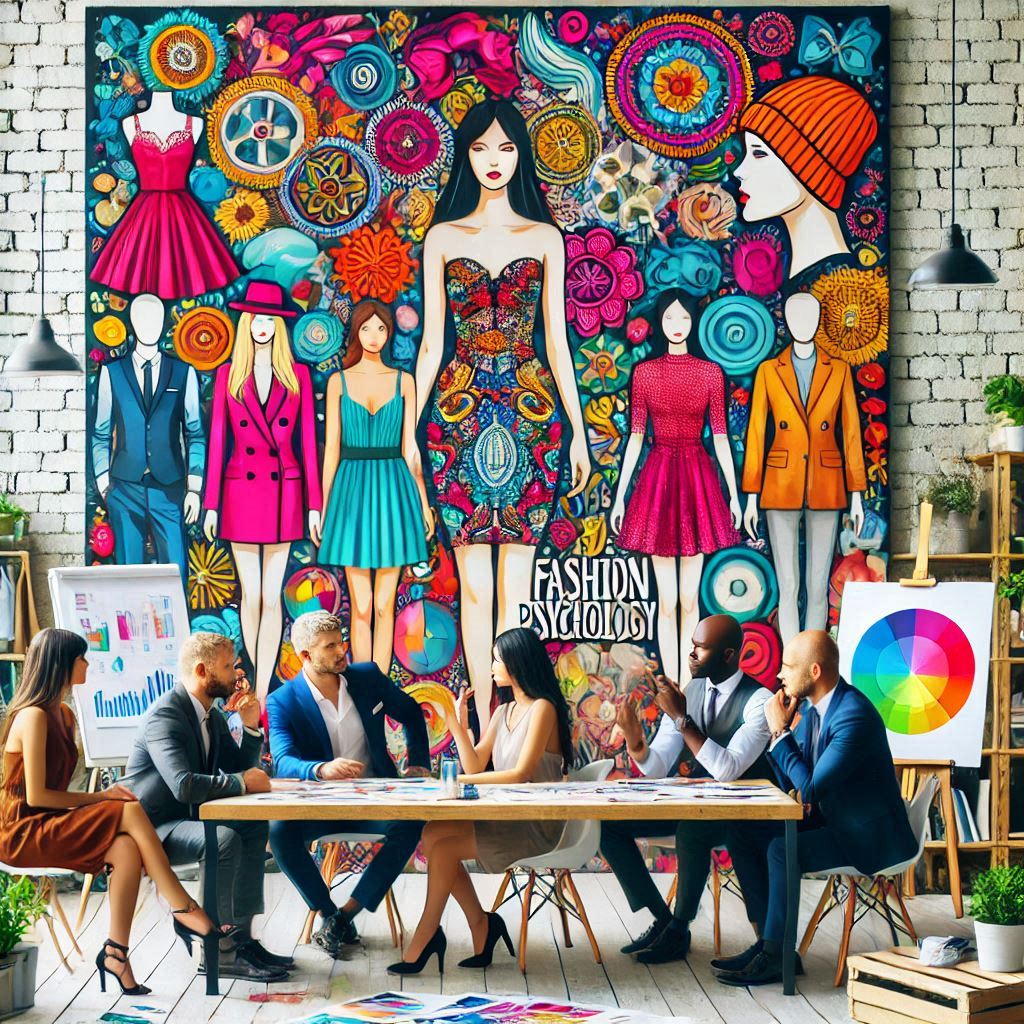
The Psychological Ease Clothing Brings
Clothing brings psychological ease by helping people feel prepared for the day. The dependant use of clothes often comes from this sense of readiness. Clothing creates structure. It helps people transition between roles. Psychological ease supports emotional balance. Clothing becomes part of mental preparation. It helps people feel organised. The right outfit can reduce stress. Clothing choices influence mindset. Psychological ease becomes part of the clothing experience. It shapes daily routines. Clothing supports mental clarity.
Points – Psychological Ease Benefits
- Clothing supports readiness
- Outfits create structure
- Clothing reduces stress
- Style influences mindset
- Clothing helps with transitions
- Outfits support emotional balance
- Clothing shapes daily rhythm
The Social Signals Clothing Sends
Clothing sends social signals that influence how people interact. The dependant use of clothes often comes from this communication. Clothing can show confidence, creativity, or professionalism. It shapes first impressions. Social signals influence relationships. Clothing becomes part of social navigation. People rely on clothes to express intention. Social environments shape clothing choices. Clothing becomes a tool for connection. It helps people feel understood. Social signals strengthen clothing dependence. They shape how people present themselves.
Table – Social Signal Types
| Signal | Influence |
|---|---|
| Professionalism | Builds trust |
| Creativity | Shows individuality |
| Confidence | Shapes perception |
| Approachability | Encourages interaction |
| Style Consistency | Creates recognition |
The Comfort Of Routine Clothing Choices
Routine clothing choices create comfort by reducing decision fatigue. People often depend on familiar outfits. Routine becomes part of clothing dependence. It simplifies mornings. It creates predictability. Routine clothing choices support emotional ease. They help people feel grounded. Familiar outfits become reliable. Routine shapes personal style. It also supports confidence. Clothing routines become part of daily life. They strengthen clothing dependence.
Points – Routine Clothing Benefits
- Reduces decision fatigue
- Creates predictability
- Supports emotional comfort
- Strengthens confidence
- Simplifies mornings
- Builds personal style
- Encourages consistency
The Way Clothes Influence Mood
Clothes influence mood by shaping how people feel physically and emotionally. The dependant use of clothes often comes from this connection. Clothing can lift spirits. It can also create calmness. Mood becomes tied to style. People choose clothes that match their emotional needs. Clothing becomes part of mood regulation. It helps people feel balanced. The connection grows stronger over time. Clothing influences daily experience. It shapes emotional expression. Clothes become part of mood management.
Table – Mood Influence Factors
| Factor | Effect |
|---|---|
| Colour | Shapes emotion |
| Texture | Creates comfort |
| Fit | Influences ease |
| Style | Supports expression |
| Familiarity | Enhances stability |

The Dependence On Clothes For Social Identity
Clothes help shape social identity by signalling group belonging. People often depend on clothing to feel connected. Social identity becomes tied to style. Clothing choices reflect community. They also reflect shared values. Social identity shapes clothing habits. People rely on clothes to express membership. Clothing becomes part of social communication. It strengthens group connection. Social identity influences style. Clothing becomes part of belonging. It shapes how people relate to others.
Points – Social Identity Elements
- Clothing signals belonging
- Style reflects community
- Outfits express shared values
- Clothing strengthens connection
- Style supports group identity
- Clothing shapes social presence
- Outfits influence interaction
The Dependence On Clothes For Emotional Expression
Clothes allow people to express emotions without speaking. The dependant use of clothes often comes from this freedom. Clothing becomes a form of emotional language. It communicates mood. It reflects inner feelings. Emotional expression shapes clothing choices. People rely on clothes to express themselves. Clothing becomes part of emotional release. It helps people feel seen. Emotional expression strengthens clothing dependence. It shapes personal style. Clothing becomes part of emotional identity.
Table – Emotional Expression Traits
| Trait | Influence |
|---|---|
| Colour Choice | Reflects mood |
| Style Variation | Shows emotion |
| Texture Preference | Supports comfort |
| Outfit Themes | Express feelings |
| Personal Touches | Add meaning |
The Long‑Term Relationship People Build With Clothes
People build long‑term relationships with clothes through repeated use and emotional connection. Clothing becomes part of personal history. It carries memories. The relationship grows stronger over time. Clothes become reminders of moments. They hold sentimental value. Long‑term relationships shape clothing dependence. People keep certain items for years. Clothing becomes part of identity. It influences future choices. The relationship becomes emotional. Clothes become part of personal storytelling.
Points – Long‑Term Clothing Connections
- Clothes hold memories
- Outfits carry meaning
- Clothing becomes sentimental
- Style evolves with time
- Clothes shape identity
- Clothing influences future choices
- Clothes become personal symbols
Conclusion
The dependant use of clothes grows from emotional comfort, identity, practicality, and personal expression. Clothing becomes part of daily life in ways that shape mood, confidence, and social interaction. People rely on clothes to feel grounded, prepared, and connected. Clothing supports emotional balance and psychological ease. It also reflects cultural influence and personal history.
The relationship between people and their clothes becomes a quiet but powerful part of everyday experience. Clothes help shape identity and support emotional expression. They create routine, comfort, and stability. The dependant use of clothes is not about materialism—it is about connection. Clothing becomes part of personal storytelling. It shapes how people move through the world. In the end, clothes become more than fabric—they become part of who we are.