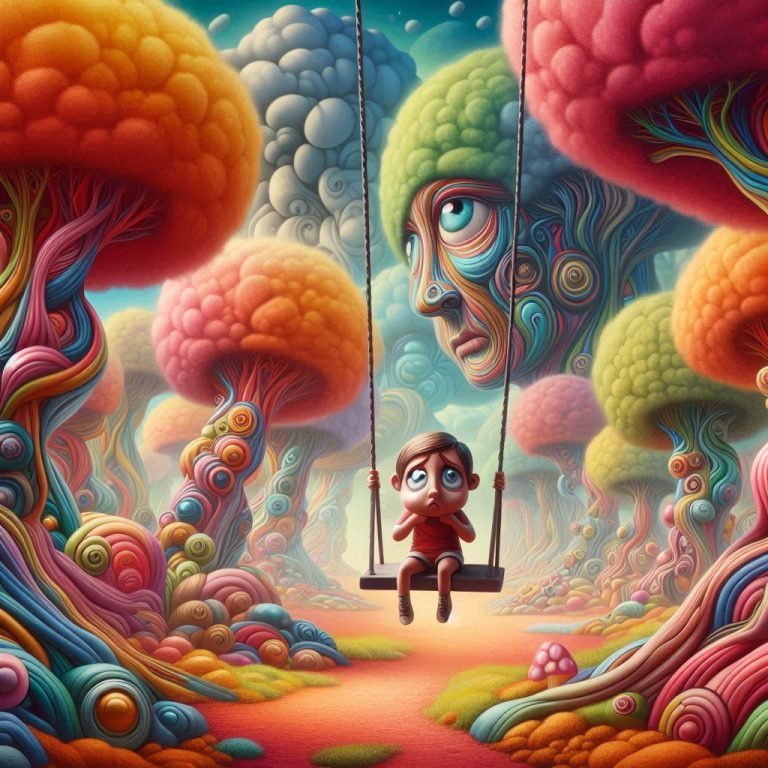

The Emotional Meaning Of Is Freedom Free
Is Freedom Free
Freedom is often spoken about as though it is a simple, universal truth, something that exists naturally and effortlessly, yet the more closely we look at it, the more we realise how layered and complicated it truly is. People grow up hearing that freedom is a right, a promise, or a foundation, but as life unfolds, it becomes clear that freedom is shaped by circumstances, responsibilities, and the invisible structures that surround us but is freedom free.
The idea of freedom carries emotional weight, cultural meaning, and personal interpretation, making it feel different to each person who tries to define it. Some experience freedom as a sense of openness and possibility, while others feel it as a fragile balance that must be protected, negotiated, or earned.
The Emotional Meaning Of Freedom
Freedom often begins as a feeling long before it becomes a concept, shaped by the emotional landscape of the person experiencing it. Some people feel free when they have space to breathe, think, and move without pressure, while others feel free when they are surrounded by support and connection. These emotional interpretations influence how people respond to choices, opportunities, and limitations. Freedom becomes something deeply personal, shaped by mood, memory, and the internal stories people tell themselves. The emotional meaning of freedom shifts constantly, making it feel alive rather than fixed.
Emotional Influences On Freedom
| Emotional State | Effect On Freedom | Experience |
|---|---|---|
| Calmness | Expands clarity | Openness |
| Fear | Narrows perspective | Caution |
| Joy | Increases possibility | Lightness |
| Stress | Reduces capacity | Restriction |
| Confidence | Strengthens autonomy | Assurance |

The Cost Hidden Behind The Idea Of Freedom
Although freedom is often described as something natural, it usually comes with hidden costs that are not immediately visible. These costs may appear in the form of responsibility, emotional labour, or the effort required to maintain independence. People sometimes discover that the freedom they desire requires sacrifice, compromise, or resilience. This does not diminish the value of freedom, but it reveals that it is rarely effortless. The cost of freedom becomes part of its meaning.
Cost-Based Influences
- Emotional energy required to maintain independence
- Responsibility that accompanies personal choice
- Time invested in protecting boundaries
- Effort needed to navigate expectations
- Sacrifices made to preserve autonomy
The Cultural Lens That Shapes Freedom
Different cultures define freedom in different ways, creating a wide range of interpretations that influence how people understand their own autonomy. Some cultures emphasise individual choice, while others prioritise collective wellbeing, shaping the boundaries of what freedom looks like. These cultural lenses influence behaviour, expectations, and the emotional tone surrounding independence. People often internalise these norms without realising how deeply they shape their understanding of freedom.
Cultural Influence Table
| Cultural Approach | Influence On Freedom | Interpretation |
|---|---|---|
| Individual focus | Expands personal choice | Self-direction |
| Collective focus | Encourages shared responsibility | Community balance |
| Traditional norms | Shapes expectations | Stability |
| Modern values | Encourages flexibility | Adaptation |
| Global influence | Broadens perspective | Openness |
The Role Of Responsibility In Defining Freedom
Responsibility and freedom are often seen as opposites, yet they are deeply intertwined in ways that shape how people experience autonomy. The more choices a person has, the more responsibility they must carry, which can make freedom feel heavier than expected. This balance becomes a defining part of adulthood, where independence is paired with accountability. People learn that freedom requires awareness, intention, and sometimes restraint. Responsibility becomes the structure that supports meaningful freedom.
Responsibility-Based Influences
- Awareness of consequences
- Commitment to personal values
- Consideration for others
- Balancing needs and desires
- Navigating long-term impact
The Influence Of Technology On Modern Freedom
Technology has expanded what people can do, but it has also introduced new forms of dependency and visibility that shape freedom in unexpected ways. The ability to connect instantly creates opportunities, yet it also blurs boundaries between personal and public life. People often feel both empowered and monitored, free and constrained, connected and overwhelmed. This duality makes modern freedom feel more complex than ever before. Technology becomes both a gateway and a gatekeeper.
Technology Influence Table
| Technological Factor | Effect On Freedom | Experience |
|---|---|---|
| Connectivity | Expands reach | Opportunity |
| Surveillance | Reduces privacy | Exposure |
| Digital tools | Increase capability | Empowerment |
| Online presence | Shapes identity | Visibility |
| Constant access | Blurs boundaries | Fatigue |
The Social Expectations That Shape Autonomy
Freedom is often influenced by the expectations of others, whether they come from family, community, or society at large. These expectations can guide behaviour, limit choices, or create pressure to conform. People sometimes discover that the freedom they want conflicts with the freedom others expect them to uphold. This tension becomes part of the experience of autonomy. Social expectations quietly shape the boundaries of freedom.
Expectation-Based Influences
- Desire to fit in
- Pressure to meet standards
- Fear of judgement
- Need for acceptance
- Balancing individuality with belonging
The Economic Realities Behind Freedom
Economic stability plays a significant role in how free a person feels, influencing their choices, opportunities, and sense of possibility. When resources are limited, freedom can feel restricted, even if the person technically has the right to choose. Financial security creates space for exploration, creativity, and independence. Economic pressure, on the other hand, can narrow focus and reduce emotional capacity. Freedom becomes intertwined with practical realities.
Economic Influence Table
| Economic Factor | Effect On Freedom | Result |
|---|---|---|
| Stability | Expands options | Confidence |
| Scarcity | Limits choice | Stress |
| Opportunity | Encourages growth | Motivation |
| Debt | Restricts movement | Constraint |
| Flexibility | Supports autonomy | Ease |

The Personal Boundaries That Protect Freedom
Boundaries have become essential in a world that demands constant availability, shaping how people protect their sense of autonomy. Setting boundaries allows individuals to reclaim time, energy, and emotional space. Without boundaries, freedom can feel diluted or lost. People are learning that freedom requires active maintenance rather than passive enjoyment. Boundaries become a form of self-respect.
Boundary-Based Influences
- Protecting emotional wellbeing
- Managing digital overload
- Prioritising personal needs
- Reducing external pressure
- Strengthening self-awareness
The Influence Of Time On The Feeling Of Freedom
Time plays a powerful role in shaping how free a person feels, often determining whether they experience spaciousness or constraint. When time feels abundant, freedom expands naturally, allowing room for creativity, rest, and exploration. When time feels scarce, even simple choices can feel overwhelming. The pace of modern life often compresses time, making freedom feel rushed or fragmented. Time becomes a quiet force that shapes autonomy.
Time Influence Table
| Time Factor | Effect On Freedom | Experience |
|---|---|---|
| Abundance | Expands possibility | Calm |
| Scarcity | Reduces clarity | Stress |
| Structure | Creates stability | Focus |
| Flexibility | Encourages exploration | Ease |
| Overload | Limits capacity | Fatigue |
The Role Of Self-Reflection In Understanding Freedom
Self-reflection helps people understand what freedom means to them personally, beyond cultural narratives or external expectations. Through introspection, individuals identify which forms of freedom matter most and which ones feel less important. This clarity allows them to make choices that align with their values. Self-reflection transforms freedom from a vague idea into a lived experience. Freedom becomes something defined from within.
Self-Reflection Influences
- Clarifying personal values
- Identifying emotional needs
- Reducing external pressure
- Strengthening self-awareness
- Creating intentional choices
The Influence Of Community On Personal Autonomy
Community can either expand or limit freedom depending on the dynamics within it. Supportive communities create space for individuality, growth, and expression, while restrictive communities may impose expectations that narrow autonomy. People often find that freedom feels strongest when they are surrounded by understanding and acceptance. Community becomes a mirror that reflects and shapes personal independence. Freedom grows through connection.
Community Influence Table
| Community Type | Effect On Freedom | Experience |
|---|---|---|
| Supportive | Expands autonomy | Encouragement |
| Restrictive | Limits expression | Pressure |
| Collaborative | Shares responsibility | Balance |
| Detached | Increases independence | Isolation |
| Diverse | Broadens perspective | Openness |
The Tension Between Security And Freedom
People often balance freedom with the desire for safety, and this balance shifts depending on circumstances. Security can offer comfort, but it can also create limitations that shape how freedom is experienced. This tension becomes part of the ongoing negotiation of autonomy. People must constantly evaluate what they are willing to trade for peace of mind. Freedom becomes a dynamic balance rather than a fixed state.
Security-Based Influences
- Desire for protection
- Need for stability
- Awareness of risk
- Trust in systems
- Balancing safety with independence

The Changing Nature Of Freedom In A Connected World
As the world becomes more interconnected, freedom begins to feel less isolated and more relational. People realise that their choices affect others, even those they may never meet. This awareness reshapes how freedom is understood, making it feel more collective and more reflective of shared responsibility. Freedom becomes something that grows through awareness rather than isolation. The connected world transforms autonomy into a shared experience.
Connection Influence Table
| Connection Factor | Effect On Freedom | Interpretation |
|---|---|---|
| Global awareness | Expands empathy | Responsibility |
| Shared challenges | Shapes choices | Cooperation |
| Cultural exchange | Broadens identity | Openness |
| Digital networks | Increase reach | Visibility |
| Collective action | Redefines autonomy | Unity |
Conclusion
Freedom is not a simple concept, nor is it a static one. It shifts with culture, technology, emotion, responsibility, and the changing rhythms of modern life. Whether freedom is free depends on how we define it, how we protect it, and how we navigate the forces that shape it. What remains clear is that freedom is both a personal experience and a shared responsibility, something that grows through awareness, intention, and connection. Understanding its complexity allows us to appreciate its value more deeply.
Join The Discussion
What does freedom mean to you today, and how has your understanding of it changed over time?
#IsFreedomFree #ModernAutonomy #ChangingFreedom #HumanExperience #EvolvingIdentity #FreedomAndResponsibility