

The Hidden Realities Of Loneliness During Christmas
Loneliness During Christmas
Hidden Realities Of Loneliness
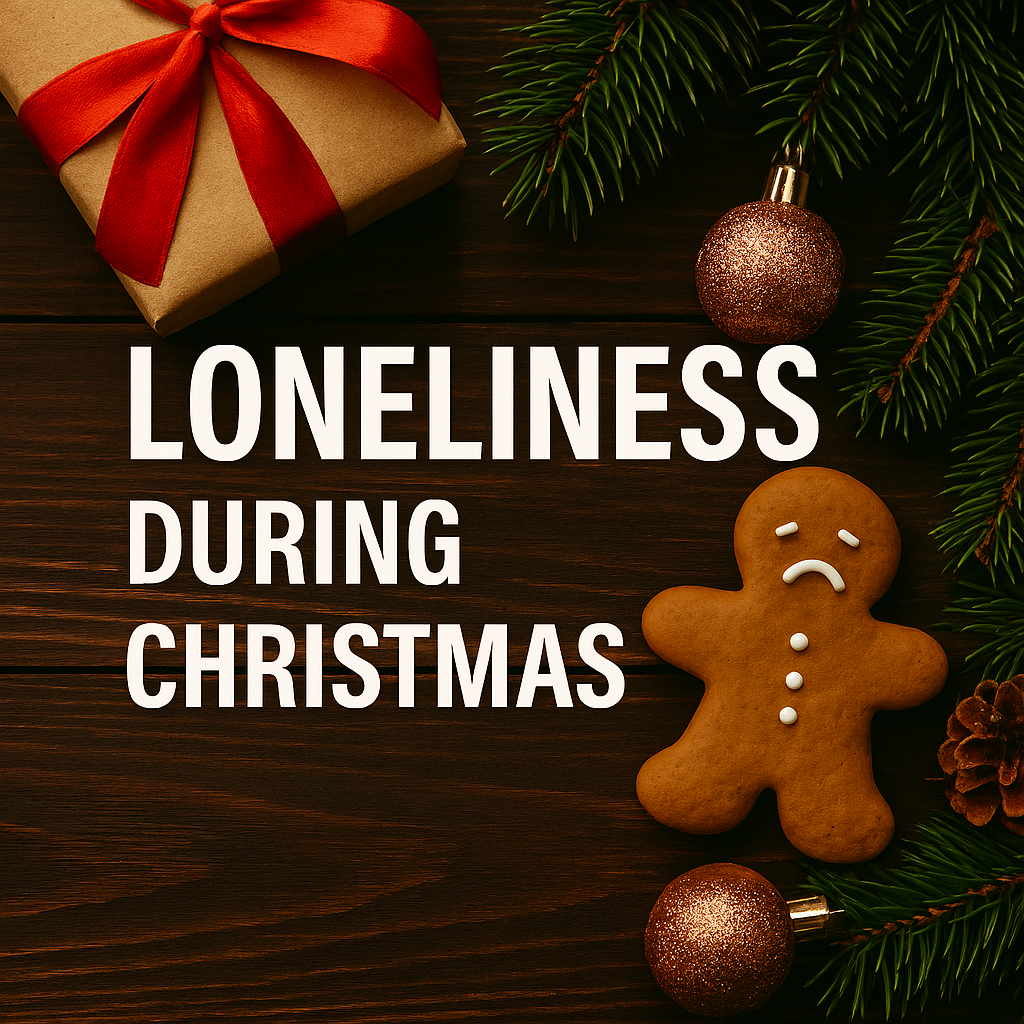
While Christmas is often portrayed as a season of joy, togetherness, and celebration, it can also be a time of profound emotional isolation for many individuals. The contrast between festive imagery and personal experience can intensify feelings of loneliness, especially for those without close family, enduring grief, or facing social disconnection.
Emotional Disconnection In A Season Of Togetherness
The emotional toll of Christmas loneliness stems from the disparity between societal expectations and personal reality. Media and advertising reinforce images of warmth and unity, which can alienate those who feel excluded. This emotional disconnection is often compounded by memories of past holidays, creating a sense of loss and longing. The pressure to feel joyful can paradoxically deepen sadness, making loneliness more acute.
Emotional Contrasts
| Experience | Trigger | Outcome |
|---|---|---|
| Isolation | Lack of social contact | Emotional withdrawal |
| Nostalgia | Memories of past gatherings | Longing and sadness |
| Pressure | Societal expectations | Increased anxiety |
| Disconnection | Absence of belonging | Reduced self-worth |

Psychological Effects Of Seasonal Loneliness
Loneliness during Christmas can lead to significant psychological consequences. Individuals may experience heightened symptoms of depression, anxiety, and insomnia. The season’s emphasis on connection can amplify feelings of inadequacy and hopelessness. These effects are particularly pronounced in those already vulnerable due to mental health conditions or recent life changes.
Psychological Impact Points
- Increased risk of depressive episodes
- Heightened anxiety due to social comparison
- Disrupted sleep patterns from emotional distress
- Reduced motivation and energy levels
- Intensified feelings of abandonment
Social Isolation And Its Consequences
Social isolation is a key contributor to Christmas loneliness. Elderly individuals, those living alone, and people estranged from family often face the season without meaningful interaction. The absence of invitations, phone calls, or shared meals reinforces a sense of invisibility. This isolation can erode self-esteem and diminish the perceived value of one’s existence.
Isolation Factors
| Group | Cause | Effect |
|---|---|---|
| Elderly | Living alone | Emotional neglect |
| Bereaved | Loss of loved ones | Grief and withdrawal |
| Estranged | Family conflict | Social exclusion |
| Migrants | Cultural dislocation | Identity confusion |
Cultural Expectations And Emotional Burden
Cultural narratives surrounding Christmas often emphasize joy, generosity, and family unity. These expectations can become emotionally burdensome for those unable to participate. The pressure to conform to festive norms may lead to avoidance behaviors, such as staying indoors or disengaging from media. This emotional burden reinforces the cycle of loneliness.
Cultural Pressure Points
- Idealized portrayals of family gatherings
- Commercial messaging promoting happiness
- Social media amplifying comparison
- Religious expectations of celebration
- Emotional fatigue from forced cheerfulness
Impact On Physical Health
Loneliness during Christmas can have tangible effects on physical health. Studies show that chronic isolation increases inflammation, weakens immune response, and elevates blood pressure. The stress associated with emotional disconnection can exacerbate existing health conditions. These physical consequences highlight the holistic nature of loneliness.
Health Consequences
| Condition | Link To Loneliness | Outcome |
|---|---|---|
| Hypertension | Stress response | Elevated blood pressure |
| Inflammation | Chronic isolation | Increased risk of illness |
| Sleep Disorders | Emotional distress | Fatigue and cognitive decline |
| Cardiovascular Issues | Lack of social support | Higher mortality risk |
Role Of Grief And Bereavement
For those grieving the loss of loved ones, Christmas can be a painful reminder of absence. Traditions once shared become sources of sorrow. The contrast between past joy and present emptiness intensifies emotional suffering. Bereavement during the holidays often leads to withdrawal and silence, masking deep internal pain.
Grief-Related Loneliness
- Avoidance of familiar traditions
- Emotional numbness during celebrations
- Difficulty expressing sadness in festive settings
- Increased vulnerability to depressive symptoms
- Long-term impact on holiday perception
Economic Hardship And Social Exclusion
Financial difficulties can exacerbate loneliness during Christmas. Individuals unable to afford gifts, travel, or festive meals may feel excluded from seasonal rituals. Economic hardship limits participation in social events, reinforcing feelings of inadequacy and isolation. The commercialization of Christmas amplifies this divide.
Economic Factors
| Barrier | Impact | Result |
|---|---|---|
| Inability To Travel | Missed family gatherings | Emotional distance |
| Lack Of Gifts | Social comparison | Reduced self-esteem |
| No Festive Meals | Exclusion from rituals | Cultural disconnection |
| Limited Resources | Avoidance of events | Increased isolation |
Impact On Young Adults And Students
Young adults and students often experience Christmas loneliness due to displacement, academic pressure, or strained family relationships. Being away from home or lacking a stable support system can make the season feel alienating. Social media comparisons further intensify feelings of exclusion.
Youth Vulnerability Points
- Displacement from home or country
- Academic stress during holiday breaks
- Limited financial independence
- Social comparison through digital platforms
- Unresolved family tensions
Role Of Technology In Amplifying Or Easing Loneliness
Technology plays a dual role in Christmas loneliness. While video calls and messaging can bridge distances, social media often amplifies feelings of inadequacy. Curated images of joy and togetherness may deepen emotional isolation. The effectiveness of technology depends on its use and context.
Technology Effects
| Tool | Positive Role | Negative Role |
|---|---|---|
| Video Calls | Connection across distance | Limited emotional depth |
| Messaging Apps | Real-time communication | Superficial interaction |
| Social Media | Visibility of others | Amplified comparison |
| Streaming Services | Distraction and comfort | Reinforced solitude |
Community Disconnection And Urban Loneliness
In urban environments, Christmas can feel impersonal and isolating. The absence of community rituals and neighborhood interaction contributes to emotional detachment. High-density living does not guarantee social connection. The anonymity of city life can intensify seasonal loneliness.
Urban Loneliness Points
- Lack of neighborhood engagement
- Absence of communal traditions
- Overcrowded yet disconnected spaces
- Reduced visibility of vulnerable individuals
- Emotional fatigue from sensory overload
Impact On Identity And Self-Worth
Loneliness during Christmas can erode personal identity and self-worth. The absence of social validation leads individuals to question their value. This internal crisis may manifest as self-doubt, hopelessness, or emotional withdrawal. The season’s emphasis on belonging makes identity loss more acute.
Identity Disruption
| Trigger | Psychological Effect | Outcome |
|---|---|---|
| Lack Of Invitations | Perceived rejection | Reduced self-esteem |
| Absence Of Rituals | Disconnection from culture | Identity confusion |
| Social Comparison | Feelings of inferiority | Emotional withdrawal |
| Silence From Others | Emotional invisibility | Hopelessness |
Role Of Faith And Spiritual Disconnection
For some, Christmas is a deeply spiritual time. Loneliness can disrupt this connection, leading to feelings of abandonment or spiritual crisis. The absence of communal worship or religious rituals may weaken faith. This spiritual disconnection adds another layer to emotional isolation.
Spiritual Loneliness Points
- Inability to attend religious services
- Loss of spiritual community
- Doubts about personal faith
- Emotional distance from sacred traditions
- Reduced sense of divine presence
Strategies For Coping With Christmas Loneliness
Despite its challenges, loneliness during Christmas can be addressed through intentional strategies. Reaching out to others, engaging in self-care, and redefining traditions can provide relief. Community programs and mental health resources offer support. Coping requires acknowledgment, action, and compassion.
Coping Strategies
| Approach | Benefit | Example |
|---|---|---|
| Volunteering | Sense of purpose | Community kitchens |
| Self-Care | Emotional regulation | Journaling or meditation |
| Redefining Traditions | Personal empowerment | Solo rituals |
| Seeking Support | Reduced isolation | Therapy or hotlines |
Psychological Mechanisms Behind Holiday Loneliness
Loneliness during Christmas is not merely circumstantial—it is often rooted in deeper psychological mechanisms. The season’s emphasis on connection activates the brain’s social comparison systems, particularly in the medial prefrontal cortex and anterior cingulate cortex, which are involved in self-evaluation and emotional regulation. When individuals perceive themselves as excluded from the festive norm, these regions may trigger feelings of inadequacy and sadness. Moreover, the limbic system, responsible for emotional memory, can intensify distress by recalling past joyful holidays that contrast with current solitude.
Neural And Emotional Pathways
| Brain Region | Function | Holiday Impact |
|---|---|---|
| Medial Prefrontal Cortex | Self-evaluation | Heightened social comparison |
| Anterior Cingulate Cortex | Emotional regulation | Amplified feelings of exclusion |
| Limbic System | Emotional memory | Nostalgic distress |
| Amygdala | Threat detection | Sensitivity to rejection cues |
The Role Of Ritual Disruption In Emotional Displacement
Rituals provide psychological structure and emotional grounding. When holiday rituals are disrupted—due to loss, relocation, or estrangement—individuals may experience emotional displacement. This phenomenon involves a loss of temporal orientation, where the absence of expected traditions creates a sense of timelessness and detachment. Without familiar cues like shared meals, gift exchanges, or religious services, the brain struggles to anchor itself in the season, leading to confusion and emotional numbness.
Disruption Effects
- Loss of temporal markers leading to disorientation
- Emotional detachment from seasonal identity
- Reduced sense of belonging and continuity
- Increased vulnerability to depressive symptoms
- Difficulty initiating new traditions due to grief or fear
Loneliness In The Context Of Bereavement And Memory
Grief during Christmas is often intensified by the symbolic weight of the season. The absence of a loved one is felt more acutely when traditions evoke their memory. This form of loneliness is not just social—it is existential. Individuals may experience a rupture in their narrative identity, where the story of who they are becomes fragmented by loss. The holidays, once a chapter of joy, now serve as a painful reminder of what has been lost.
Memory And Identity Breakdown
| Element | Impact | Result |
|---|---|---|
| Ritual Memory | Emotional recall | Intensified grief |
| Narrative Identity | Fragmentation | Existential loneliness |
| Symbolic Triggers | Sensory cues | Emotional overwhelm |
| Absence Of Dialogue | Silence in traditions | Isolation from shared meaning |
The Paradox Of Visibility And Invisibility
During Christmas, loneliness is often paradoxical—individuals may feel hyper-visible in their pain yet invisible in their needs. Public spaces are filled with festive imagery, yet there is little acknowledgment of emotional diversity. This paradox creates a psychological split: the lonely person is surrounded by celebration but feels unseen. The lack of emotional representation in media and social discourse reinforces this invisibility, making it harder to seek support or express vulnerability.
Visibility-Invisibility Dynamics
- Emotional pain heightened by festive contrast
- Lack of representation in cultural narratives
- Difficulty expressing sadness in celebratory settings
- Fear of judgment or pity from others
- Internalization of loneliness as personal failure
Loneliness Among Caregivers And Service Workers
Caregivers, healthcare professionals, and service workers often experience unique forms of Christmas loneliness. While they may be surrounded by people, their roles demand emotional labor without reciprocal support. Working through the holidays can lead to feelings of neglect, fatigue, and emotional depletion. These individuals may suppress their own needs to serve others, resulting in a quiet, unacknowledged loneliness.
Occupational Loneliness Points
| Role | Cause | Emotional Outcome |
|---|---|---|
| Caregivers | Emotional labor | Compassion fatigue |
| Nurses | Holiday shifts | Social exclusion |
| Retail Workers | Customer focus | Neglect of personal needs |
| Hospitality Staff | Service over celebration | Emotional depletion |
Loneliness In The LGBTQ+ Community During Holidays
Members of the LGBTQ+ community may face heightened loneliness during Christmas due to family estrangement, cultural exclusion, or lack of affirming spaces. For many, the season reinforces heteronormative traditions that feel alienating. The absence of inclusive narratives and safe gatherings can lead to emotional isolation. This loneliness is compounded by societal pressures to conform and the erasure of diverse identities in holiday representation.
LGBTQ+ Holiday Challenges
- Estrangement from family due to identity
- Lack of inclusive traditions or spaces
- Emotional suppression in non-affirming environments
- Increased risk of seasonal depression
- Need for alternative rituals and chosen family support
The Impact Of Loneliness On Cognitive Function
Chronic loneliness during Christmas can impair cognitive function. Studies show that isolation affects executive functioning, memory retention, and decision-making. The brain, deprived of social stimulation, may enter a state of cognitive fatigue. This can manifest as forgetfulness, indecision, and reduced problem-solving ability. The cognitive toll of loneliness is often overlooked but has significant implications for mental health and daily functioning.
Cognitive Decline Factors
| Function | Impact Of Loneliness | Result |
|---|---|---|
| Executive Function | Reduced stimulation | Poor planning and focus |
| Memory | Emotional overload | Forgetfulness |
| Decision-Making | Increased anxiety | Indecision |
| Attention | Lack of engagement | Distraction and fatigue |
Loneliness And The Breakdown Of Time Perception
Loneliness alters the perception of time. During Christmas, isolated individuals often report that time feels slower, heavier, or meaningless. This breakdown in temporal perception is linked to the absence of social interaction, which normally structures time through shared activities. The lack of external cues—such as events, conversations, or rituals—leads to a subjective experience of stagnation.
Temporal Disruption Points
- Perceived elongation of days without social contact
- Loss of structure due to absence of events
- Emotional heaviness linked to timelessness
- Difficulty distinguishing days during holiday breaks
- Increased rumination due to unstructured time
Loneliness In The Context Of Migration And Cultural Displacement
Migrants and expatriates often face Christmas loneliness due to cultural displacement. Being away from familiar traditions, languages, and communities can create a sense of alienation. Even in festive environments, the absence of cultural resonance leads to emotional detachment. This form of loneliness is compounded by logistical barriers, such as visa restrictions or financial limitations, which prevent travel or participation.
Migrant Loneliness Factors
| Barrier | Emotional Impact | Result |
|---|---|---|
| Cultural Displacement | Lack of resonance | Emotional detachment |
| Language Barriers | Communication difficulty | Social withdrawal |
| Financial Constraints | Inability to travel | Isolation from family |
| Lack Of Community | Absence of shared traditions | Identity erosion |
Conclusion
Loneliness during Christmas is a multifaceted experience shaped by psychological, cultural, occupational, and existential factors. It affects individuals across demographics, often in invisible and complex ways. By examining the deeper mechanisms behind seasonal isolation—from neural pathways to cultural displacement—we gain a more compassionate understanding of those who struggle during the holidays. Acknowledging this reality is the first step toward building inclusive, emotionally intelligent traditions that honor the full spectrum of human experience.
Join The Discussion
What aspects of Christmas loneliness resonate with your experience or observations? How can communities better support those who feel isolated during the holidays?
#LonelinessAtChristmas #SeasonalIsolation #InclusiveHolidays #MentalHealthAwareness #CompassionateCelebrations #HiddenHolidayStruggles