The Psychology Of Drones And How They Have Changed Us In All Areas Of Life
The Psychology Of Drones
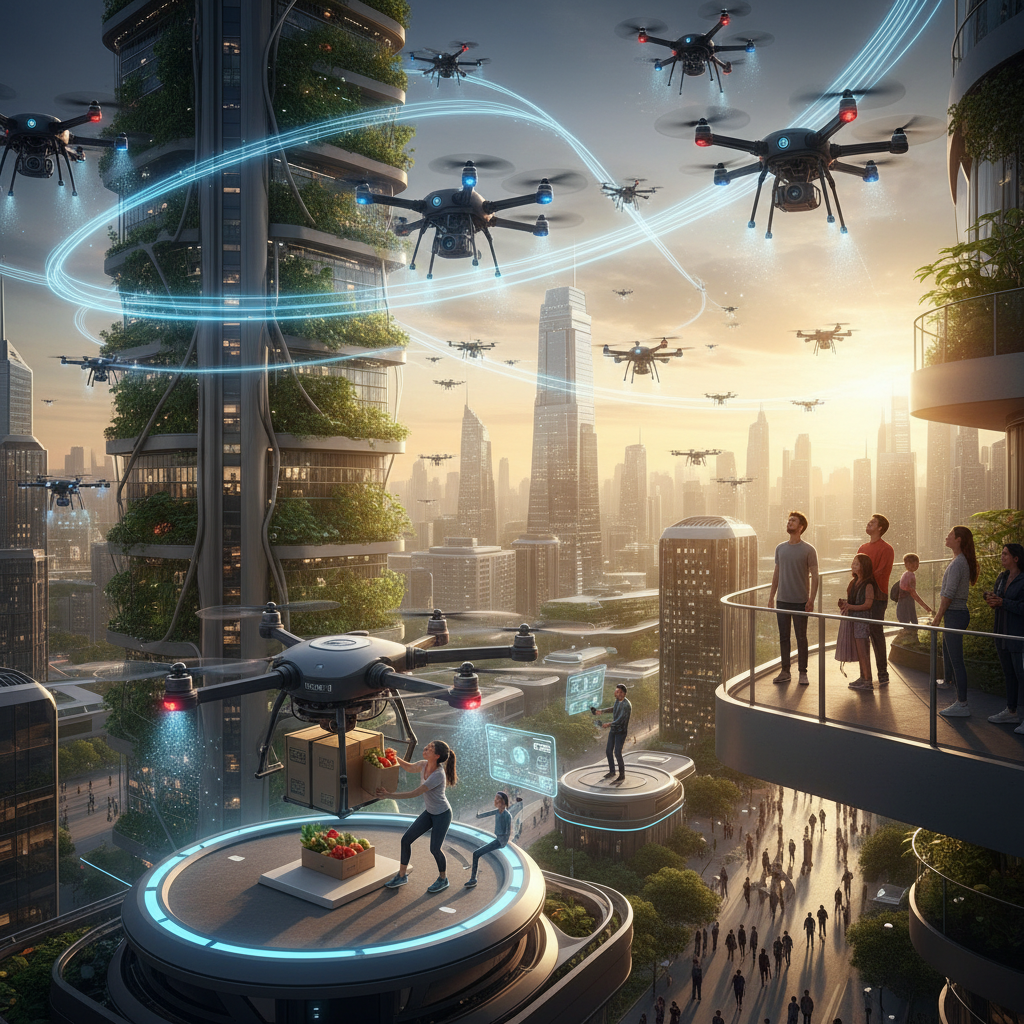
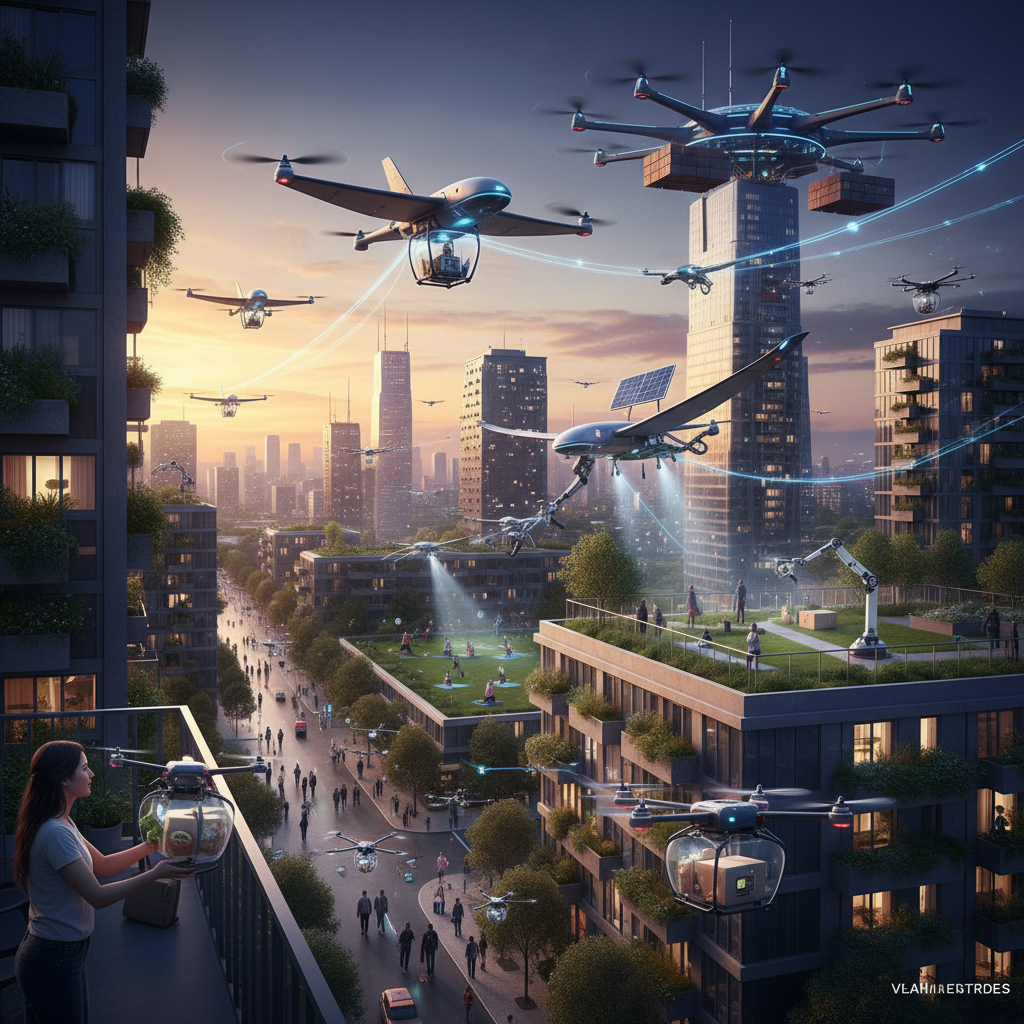
Drones have moved from niche technology to everyday tools that influence how people think, behave, and interact with the world around them. Their presence has reshaped expectations of speed, convenience, and access, creating new psychological patterns that extend far beyond their mechanical design. As drones become more integrated into daily life, they alter how individuals perceive distance, privacy, creativity, and even personal capability. This shift is not simply technological but deeply psychological, affecting how people imagine possibilities and how they respond to the world.
The Shift In Perception Of Distance
Drones have changed how people perceive distance by making faraway places feel instantly accessible, reducing the psychological barrier between here and there. When a drone can travel where a person cannot, the mind begins to treat distance as less restrictive, altering expectations of reach and capability. This shift influences how people think about exploration, surveillance, and even personal freedom. The ability to see from above creates a sense of expanded presence, as though the world has become smaller and more navigable. This new perception reshapes how individuals relate to physical space.
Distance Perception Table
| Influence | Before Drones | After Drones |
|---|---|---|
| Sense of reach | Limited | Expanded |
| Access to remote areas | Difficult | Immediate |
| Psychological distance | Strong | Reduced |
| Exploration capability | Restricted | Enhanced |
| Spatial awareness | Grounded | Elevated |
The Rise Of Aerial Thinking
Drones encourage a new form of thinking that involves imagining the world from above, shifting perspective from ground‑level experience to aerial observation. This aerial thinking changes how people understand landscapes, events, and even personal projects, as the mind becomes accustomed to viewing things from a broader angle. The ability to see patterns from above influences decision‑making, creativity, and problem‑solving. People begin to think in terms of overview rather than detail, which alters how they interpret information. This shift in perspective is one of the most profound psychological effects of drone technology.
Aerial Thinking Points
- Encourages broader perspective
- Enhances pattern recognition
- Supports creative problem‑solving
- Reduces ground‑level bias
- Expands conceptual imagination
The Transformation Of Privacy Expectations
Drones have reshaped expectations of privacy by introducing the possibility of observation from angles that were previously inaccessible. This shift creates a subtle psychological tension, as people become aware that their surroundings may no longer guarantee anonymity. Even when drones are used responsibly, the awareness of potential visibility changes behaviour and personal boundaries. This transformation influences how individuals move, interact, and perceive their environment. Privacy becomes a more complex and layered concept.
Privacy Impact Table
| Aspect | Traditional Privacy | Drone‑Influenced Privacy |
|---|---|---|
| Visibility | Predictable | Multi‑directional |
| Boundaries | Clear | Blurred |
| Awareness | Low | Heightened |
| Behaviour change | Minimal | Significant |
| Emotional response | Stable | Cautious |
The Expansion Of Creative Possibility
Drones have opened new creative pathways by allowing people to capture images, videos, and perspectives that were once impossible without specialised equipment. This expansion of creative possibility encourages experimentation, storytelling, and artistic exploration. People feel empowered to express ideas visually in ways that were previously inaccessible. The psychological effect is a sense of creative liberation, as the boundaries of what can be imagined and produced widen dramatically. Creativity becomes more dynamic and multidimensional.
Creative Expansion Points
- Enables new visual perspectives
- Encourages experimentation
- Expands storytelling techniques
- Increases artistic confidence
- Broadens creative imagination
The Shift In Expectations Of Speed And Convenience
Drones have influenced expectations of speed by demonstrating how quickly tasks can be completed when machines can bypass traditional limitations. This shift affects how people think about delivery, inspection, and emergency response, creating a psychological expectation of near‑instant results. As drones become more common, patience decreases and demand for efficiency increases. This change influences consumer behaviour, workplace standards, and personal habits. Speed becomes a psychological norm rather than a luxury.
Speed Expectation Table
| Factor | Before Drones | After Drones |
|---|---|---|
| Delivery time | Longer | Shorter |
| Task efficiency | Moderate | High |
| Consumer patience | Higher | Lower |
| Workplace expectations | Stable | Accelerated |
| Perceived convenience | Limited | Expanded |
The Feeling Of Extended Capability
Drones create a sense of extended capability by allowing people to perform tasks they could not physically achieve on their own. This psychological extension makes individuals feel more powerful, resourceful, and capable of reaching beyond their natural limits. The ability to see from above, carry objects, or access difficult terrain changes how people perceive their own potential. This shift influences confidence, problem‑solving, and personal ambition. Drones become tools that expand human capability rather than replace it.
Capability Points
- Enhances personal reach
- Increases confidence
- Supports complex tasks
- Expands problem‑solving options
- Strengthens sense of control
The Normalisation Of Remote Presence
Drones normalise the idea of being present in a location without physically being there, altering how people think about presence and participation. This remote presence influences how individuals engage with events, environments, and even relationships. The ability to observe from afar creates a psychological duality between physical absence and visual presence. This shift affects expectations of involvement and accessibility. Remote presence becomes an accepted part of modern life.
Remote Presence Table
| Experience | Before Drones | After Drones |
|---|---|---|
| Observation | Limited | Expanded |
| Participation | Physical | Remote possible |
| Engagement | Grounded | Flexible |
| Accessibility | Restricted | Broad |
| Emotional connection | Traditional | Reimagined |
The Influence On Risk Perception
Drones alter risk perception by allowing people to perform dangerous tasks without exposing themselves to harm. This shift changes how individuals evaluate danger, making certain activities feel safer and more manageable. The psychological effect is a reduction in fear and an increase in willingness to explore or inspect hazardous environments. This change influences industries such as construction, emergency response, and environmental monitoring. Risk becomes something that can be managed from a distance.
Risk Perception Points
- Reduces personal danger
- Encourages exploration
- Supports safer decision‑making
- Increases confidence in hazardous tasks
- Changes evaluation of risk
The Redefinition Of Surveillance
Drones redefine surveillance by making it more mobile, flexible, and accessible, altering how people think about observation and security. This redefinition creates both reassurance and unease, depending on context and intention. People may feel safer knowing that drones can monitor large areas quickly, yet they may also feel exposed to unwanted observation. This duality shapes public attitudes toward technology and authority. Surveillance becomes a more complex psychological landscape.
Surveillance Table
| Aspect | Traditional | Drone‑Enabled |
|---|---|---|
| Mobility | Limited | High |
| Coverage | Narrow | Wide |
| Emotional response | Predictable | Mixed |
| Public perception | Stable | Evolving |
| Trust | Variable | Context‑dependent |
The Evolution Of Play And Recreation
Drones have transformed play by introducing new forms of recreation that blend technology, skill, and creativity. This evolution influences how people experience leisure, encouraging exploration, competition, and experimentation. Drone racing, aerial photography, and interactive flight experiences create new psychological rewards. These activities stimulate curiosity, challenge, and mastery. Recreation becomes more immersive and technologically enriched.
Recreation Points
- Encourages exploration
- Introduces new skills
- Enhances creativity
- Supports competitive play
- Expands leisure possibilities
The Impact On Environmental Awareness
Drones increase environmental awareness by providing new ways to observe landscapes, wildlife, and ecological changes. This elevated perspective helps people understand environmental issues more clearly, creating stronger emotional connections to natural spaces. The ability to see environmental patterns from above enhances understanding of conservation needs. This shift influences public attitudes toward sustainability and ecological responsibility. Environmental awareness becomes more visual and immediate.
Environmental Awareness Table
| Influence | Effect |
|---|---|
| Aerial observation | Increased understanding |
| Wildlife monitoring | Enhanced insight |
| Landscape patterns | Clearer interpretation |
| Conservation efforts | Stronger support |
| Public engagement | Higher involvement |
The Change In Professional Identity
Drones have reshaped professional identity in fields such as filmmaking, agriculture, surveying, and emergency response. Workers who adopt drone technology often experience a shift in how they view their roles, gaining new skills and expanding their capabilities. This change influences confidence, job satisfaction, and career direction. The integration of drones creates a sense of modernisation and innovation within traditional professions. Professional identity becomes more dynamic and technologically informed.
Professional Identity Points
- Expands skill sets
- Enhances confidence
- Modernises traditional roles
- Supports innovation
- Influences career growth
The Psychological Comfort Of Automation
Drones provide psychological comfort by automating tasks that are repetitive, dangerous, or physically demanding. This comfort reduces stress and increases efficiency, allowing people to focus on higher‑level thinking. Automation creates a sense of reliability and predictability, which can improve emotional wellbeing in work environments. The psychological effect is a feeling of support rather than replacement. Automation becomes a partner in productivity.
Automation Table
| Task Type | Human Effort | Drone Impact |
|---|---|---|
| Repetitive | High | Reduced |
| Dangerous | Risky | Safer |
| Precision tasks | Challenging | Enhanced |
| Monitoring | Time‑consuming | Efficient |
| Logistics | Complex | Streamlined |

The Influence On Social Expectations
Drones influence social expectations by normalising rapid access to information, imagery, and services. This shift changes how people expect organisations, businesses, and even individuals to respond to needs or requests. The psychological effect is a heightened expectation of immediacy and efficiency. Social norms evolve as drones become part of everyday life. Expectations become faster, broader, and more demanding.
Social Expectation Points
- Increased demand for speed
- Higher expectations of access
- Broader assumptions of capability
- Reduced tolerance for delay
- Expanded social norms
Conclusion
Drones have reshaped human psychology by altering how people perceive distance, privacy, creativity, risk, and personal capability. Their influence extends across emotional, social, and professional domains, creating new expectations and transforming how individuals interact with the world. As drones continue to evolve, their psychological impact will deepen, shaping future behaviour and redefining what people consider possible. The technology has become more than a tool, becoming a lens through which people view themselves and their environment. Understanding this shift reveals how profoundly drones have changed modern life.
Join The Discussion
How have drones changed the way you think about distance, creativity, or personal capability?
#DronePsychology #ModernTechnology #HumanBehaviour #AerialThinking #TechAndSociety #ChangingPerspectives