
The Weird Dream Psychology Behind Bad Dreams, Scary Dreams, and Night Terrors
Dreams
Bad Dreams, Scary Dreams, and Night Terrors
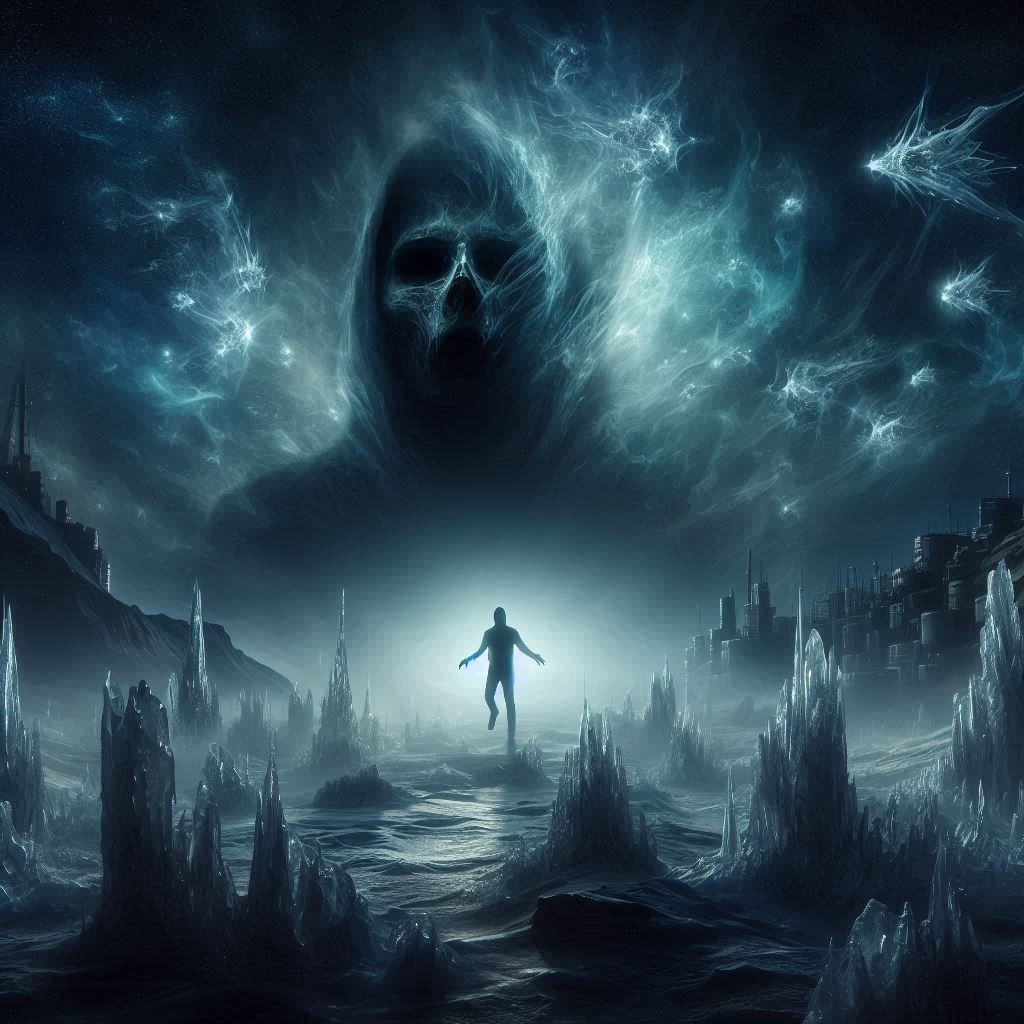
Dreams are one of the most enigmatic facets of human life. They act as a window into the subconscious, blending fragments of memory, imagination, and emotion. While some dreams are comforting, others can be unsettling or outright bizarre. Bad dreams, scary dreams, night terrors, and even peculiar “weird dreams” all reveal intriguing insights into our psyche and the way our brain processes experiences. Understanding these phenomena can help us navigate their effects on our well-being.

Bad Dreams
The Shadows of Sleep
What Defines a Bad Dream?
Bad dreams occur during REM sleep and are marked by distressing emotions, such as fear, frustration, or sadness. Despite not always waking the dreamer, they leave behind a sense of unease that can linger well into the day.
Why Do Bad Dreams Happen?
Stress, emotional conflicts, and unresolved anxieties in waking life often play a significant role in bad dreams. They can be a symbolic way for the subconscious to process unresolved challenges.
Scary Dreams and Nightmares
When Fear Takes Over
The Difference Between Scary Dreams and Nightmares
Scary dreams evoke unease and discomfort, but nightmares are more vivid, intense, and fear-inducing. Nightmares often wake the dreamer with feelings of terror and distress.
Triggers and Psychological Underpinnings
Nightmares are commonly linked to high levels of psychological stress, past trauma, or disrupted sleep cycles. They may act as a subconscious attempt to process or confront deeply rooted fears.
Night Terrors
A Different Sleep Phenomenon
What Are Night Terrors?
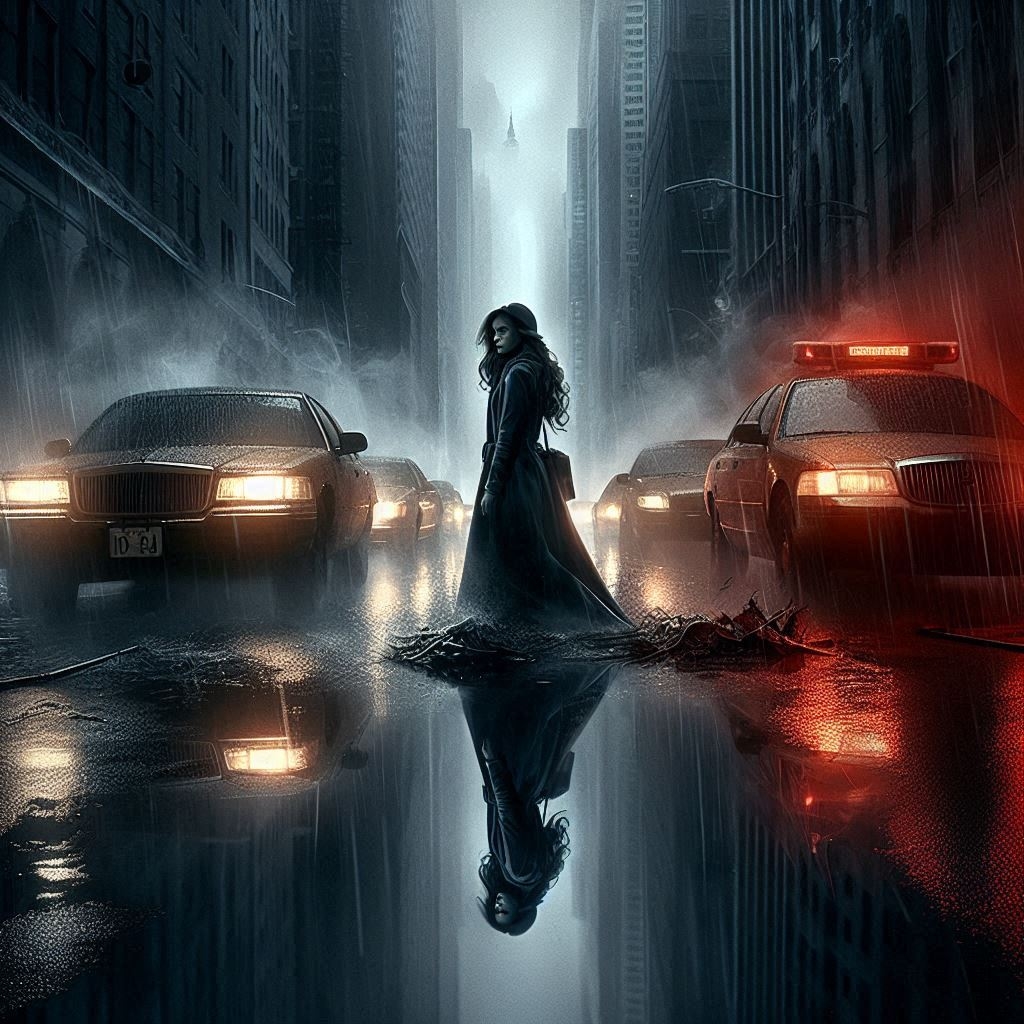
Night terrors occur in the non-REM stage of sleep and are characterized by sudden outbursts of fear, including screaming, flailing, or sitting upright.
Underlying Causes and Triggers
Night terrors may result from an overactive nervous system. Factors like genetic predisposition, exhaustion, stress, or sleep disorders are frequently associated with these episodes.

Weird Dreams
The Curious Side of Sleep
What Are Weird Dreams?
Weird dreams are those puzzling, surreal, or nonsensical experiences that often defy logic. They might involve bizarre imagery, unusual scenarios, or strange combinations of familiar and unfamiliar elements.
Why Do Weird Dreams Happen?
Weird dreams stem from the brain’s creative process during sleep. As the subconscious mind organizes and files memories, it merges fragments of thoughts, emotions, and sensory impressions into odd narratives.
Daytime stimuli, such as media, conversations, or events.
Neurological activity as the brain consolidates memories.
Sleep conditions, including irregular schedules or incomplete sleep cycles.
The Emotional Toll of Distressing Dreams
Short-Term Impact
Bad dreams, scary dreams, and other distressing experiences can leave an emotional imprint that affects mood and focus. Feelings of fear or unease may linger throughout the day.
Long-Term Consequences
Repeated occurrences of distressing dreams can contribute to insomnia, anxiety, or mental health challenges, disrupting overall well-being.

Managing and Addressing Sleep Disturbances
Practical Coping Strategies
Simple practices like keeping a dream journal, engaging in mindfulness exercises, or maintaining a consistent sleep routine can help reduce the impact of unsettling dreams.
When to Seek Help
If distressing dreams or sleep disturbances are persistent and disruptive, professional support may be essential. Therapies like CBT-I or stress reduction techniques can aid in resolving underlying issues.
Conclusion
Dreams, whether comforting, distressing, or downright bizarre, are an integral part of how our minds process emotions, memories, and experiences. Bad dreams, scary dreams, night terrors, and weird dreams all serve as a gateway into the subconscious, offering clues about our internal world. By understanding their causes and learning to address their impact, we can cultivate healthier sleep and emotional well-being. Restful sleep is not just a luxury; it is essential for a balanced and thriving mind and body. Embracing and tackling these phenomena is a step toward a better understanding of ourselves.
Join the Discussion
Dreams have intrigued humanity for centuries, sparking debates, interpretations, and even artistic inspiration. Have you experienced vivid nightmares, puzzling weird dreams, or distressing night terrors? How have these shaped your perspective on sleep and mental health?





One Comment