What We See To Who We Are Visual Impressions
The Association Of What We See To Who We Are
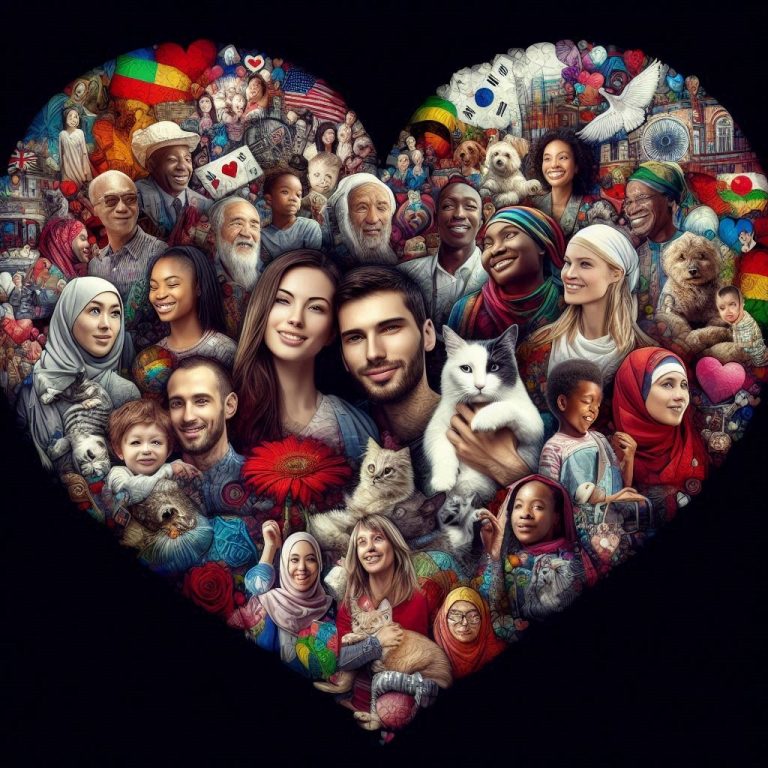
What we see in the world around us shapes far more than our moment‑to‑moment reactions; it quietly influences the person we become. Every image, scene, expression, and environment leaves a small imprint that blends into our inner world. People often underestimate how deeply visual experiences affect their identity, even when they seem insignificant at the time. The mind collects these impressions and stores them as emotional cues that guide how we move through life.
What we see becomes part of our personal story, shaping our beliefs, preferences, and sense of self. These associations form gradually, building a connection between our inner world and the outer one. The link between sight and identity becomes stronger as we grow, because our experiences expand and deepen. People often feel drawn to certain visuals because they reflect something familiar within them. The association between what we see and who we are becomes a quiet map of our emotional landscape.
The Way Visual Impressions Shape Our Inner World
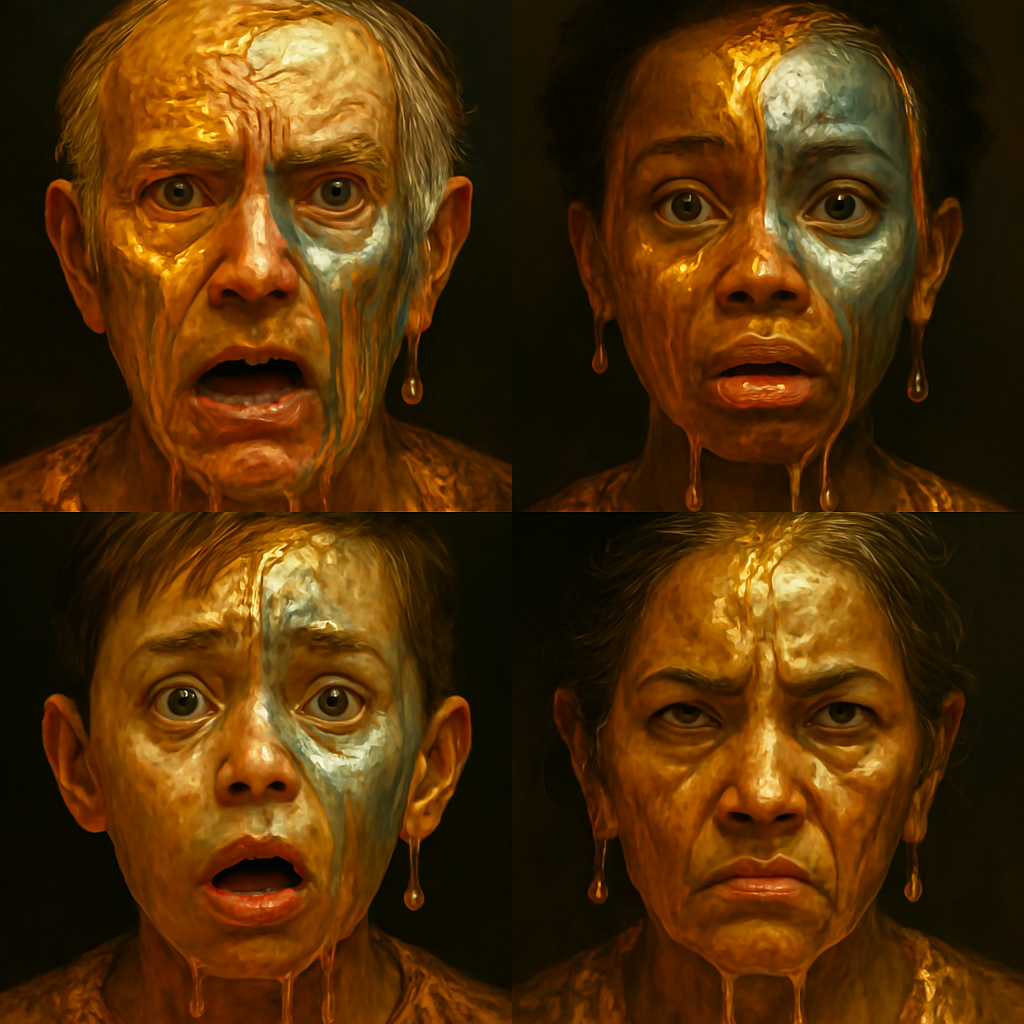
Visual impressions act like emotional fingerprints, leaving marks that influence how we interpret life. People often remember images long after they forget words. These impressions become part of our internal structure, shaping how we react to new situations. The mind connects visuals to feelings, creating patterns that guide behaviour. People often feel comforted by familiar sights because they carry emotional meaning.
Visual impressions can spark memories that influence present choices. They also shape how we see ourselves in relation to the world. The association between sight and emotion becomes a foundation for identity. People often rely on visual cues to navigate social spaces. These impressions become part of our personal rhythm. Visual experiences shape who we are in ways we rarely notice.
Visual Influence Elements
| Element | Description | Influence | Effect |
|---|---|---|---|
| Memory cues | Stored images | Trigger emotion | Recall |
| Familiar scenes | Known visuals | Create comfort | Stability |
| Symbolic images | Meaningful visuals | Shape identity | Direction |
| Emotional tone | Feeling linked to sight | Guides reaction | Balance |
| Repeated visuals | Frequent exposure | Builds patterns | Behaviour |
The Emotional Connection To What We See
People often form emotional connections to visuals without consciously choosing them. These connections grow from repeated exposure and personal meaning. Visuals can evoke feelings faster than thoughts can form. People often feel drawn to certain colours, scenes, or expressions because they reflect something internal. Emotional connections to visuals shape preferences. They also influence how we interpret new experiences. People often feel grounded when they see something that resonates with their inner world. These emotional ties become part of identity. They shape how we navigate relationships and environments. Emotional connections to visuals become a quiet guide. This connection influences who we become.
Emotional Connection Traits
- Creates instant reactions
- Shapes personal preferences
- Influences emotional tone
- Connects past to present
- Builds familiarity
- Encourages comfort
- Strengthens identity
- Guides interpretation
- Supports emotional balance
- Deepens personal meaning
- Shapes long‑term patterns
The Role Of Environment In Identity Formation
The environment we grow up in shapes how we see ourselves. Visual surroundings become part of our internal landscape. People often associate certain environments with safety or tension. These associations influence how we function in new spaces. Environments filled with warmth create emotional ease. Environments filled with chaos create alertness. People often carry these visual memories into adulthood. The environment becomes a silent teacher. It shapes how we interpret social cues. It also influences how we respond to change. The environment plays a major role in identity formation.
Environmental Influence Elements
| Element | Description | Influence | Effect |
|---|---|---|---|
| Home setting | Early visuals | Shape comfort | Stability |
| Community | Surrounding scenes | Build belonging | Connection |
| Nature | Outdoor visuals | Create calm | Balance |
| Urban spaces | Busy visuals | Influence pace | Alertness |
| Social spaces | Group settings | Shape identity | Interaction |
The Way We Mirror What We See
People often mirror the visuals around them without realising it. This mirroring shapes behaviour, style, and emotional tone. People pick up cues from expressions, gestures, and environments. Mirroring becomes a natural part of social learning. It helps people fit into groups. It also shapes how they express themselves. People often adopt visual patterns that feel familiar. Mirroring influences identity through subtle repetition. It becomes part of how we learn to function socially. Mirroring shapes our sense of belonging. This process becomes part of identity.
Mirroring Traits
- Reflects social cues
- Shapes behaviour
- Influences style
- Builds connection
- Encourages belonging
- Supports adaptation
- Creates familiarity
- Strengthens group identity
- Guides expression
- Shapes emotional tone
- Forms subtle habits
The Influence Of Symbolic Imagery
Symbolic imagery carries meaning that shapes how we see ourselves. People often connect deeply with symbols that reflect their values. These symbols become part of personal identity. They influence how we interpret experiences. Symbolic imagery can evoke strong emotions. People often use symbols to express who they are. These visuals become part of their personal story. Symbolic imagery shapes how we navigate life. It becomes a guide for decision‑making. People often feel empowered by symbols that resonate with them. Symbolic imagery influences identity in powerful ways.
Symbolic Elements
| Element | Description | Influence | Effect |
|---|---|---|---|
| Icons | Recognisable visuals | Shape meaning | Identity |
| Colours | Emotional tones | Influence mood | Expression |
| Patterns | Repeated visuals | Build familiarity | Comfort |
| Cultural symbols | Shared imagery | Create belonging | Connection |
| Personal symbols | Individual meaning | Guide choices | Direction |

The Way Visual Memory Shapes Behaviour
Visual memory stores images that influence how we act. People often react to situations based on visuals they have seen before. These memories shape expectations. They also influence emotional responses. Visual memory becomes part of our internal guide. It helps us navigate familiar situations. It also shapes how we approach new ones. People often rely on visual memory without realising it. These memories become part of identity. They influence behaviour in subtle ways. Visual memory shapes long‑term patterns.
Visual Memory Traits
- Stores emotional images
- Shapes expectations
- Influences reactions
- Guides behaviour
- Builds familiarity
- Supports decision‑making
- Creates emotional cues
- Strengthens identity
- Connects past to present
- Shapes personal meaning
- Influences long‑term habits
The Association Between Faces And Identity
Faces carry powerful visual cues that shape how we see ourselves. People often associate certain expressions with safety or tension. These associations influence how we respond to others. Faces become emotional mirrors. They reflect how we feel. People often adjust their behaviour based on facial cues. These associations shape social identity. They influence how we navigate relationships. Faces become part of our emotional memory. They shape how we interpret social situations. This association becomes part of who we are.
Facial Influence Elements
| Element | Description | Influence | Effect |
|---|---|---|---|
| Expressions | Emotional signals | Shape reactions | Connection |
| Eye contact | Visual engagement | Builds trust | Comfort |
| Smiles | Positive cues | Encourage openness | Ease |
| Tension cues | Stress signals | Create caution | Alertness |
| Familiar faces | Known visuals | Build belonging | Stability |
The Way Visual Contrast Shapes Preference
People often form preferences based on contrast. Visual contrast highlights differences that shape emotional reactions. People feel drawn to visuals that stand out. Contrast creates interest. It also shapes personal taste. People often choose environments, styles, and objects based on contrast. This preference becomes part of identity. It influences how we express ourselves. Visual contrast shapes emotional tone. It becomes part of our personal structure. This influence shapes long‑term preferences.
Contrast Traits
- Creates interest
- Shapes preference
- Influences style
- Builds emotional tone
- Encourages exploration
- Highlights difference
- Shapes identity
- Guides choices
- Strengthens expression
- Supports individuality
- Forms personal taste
The Influence Of Repetition On Identity
Repeated visuals shape identity through familiarity. People often feel comfortable with visuals they see often. Repetition builds emotional connection. It also shapes behaviour. People adopt patterns they see repeatedly. Repetition becomes part of learning. It influences how we interpret new experiences. People often rely on repeated visuals for stability. Repetition shapes long‑term identity. It becomes part of our inner structure. This influence shapes who we become.
Repetition Elements
| Element | Description | Influence | Effect |
|---|---|---|---|
| Familiar visuals | Repeated scenes | Build comfort | Stability |
| Patterns | Recurring imagery | Shape habits | Behaviour |
| Emotional cues | Repeated feelings | Strengthen identity | Connection |
| Social visuals | Group patterns | Influence belonging | Interaction |
| Personal visuals | Self‑chosen imagery | Guide expression | Direction |
The Way We Internalise What We See
People internalise visuals by linking them to emotions, memories, and personal meaning. This internalisation shapes identity. It influences how we interpret life. People often carry internalised visuals for years. These visuals become part of their emotional world. Internalisation shapes behaviour. It also influences preferences. People often feel connected to visuals that reflect their inner world. Internalised imagery becomes part of personal identity. It shapes long‑term patterns. This process influences how we function.
Internalisation Traits
- Links visuals to emotion
- Shapes personal meaning
- Influences behaviour
- Builds identity
- Strengthens memory
- Guides interpretation
- Supports emotional tone
- Encourages reflection
- Shapes preference
- Forms inner structure
- Influences long‑term patterns
The Connection Between Visuals And Self‑Expression
People express themselves through visuals that reflect their inner world. This connection shapes identity. People choose colours, styles, and environments that match their emotional tone. Visual expression becomes a form of communication. It reveals personality. People often feel more confident when their surroundings reflect who they are. Visual expression shapes how others see us. It also shapes how we see ourselves. This connection becomes part of identity. It influences long‑term behaviour. Visual expression becomes a powerful tool for self‑definition.
Expression Elements
| Element | Description | Influence | Effect |
|---|---|---|---|
| Style | Personal visuals | Reflect identity | Confidence |
| Colour | Emotional tone | Shapes mood | Expression |
| Environment | Chosen space | Builds comfort | Stability |
| Objects | Meaningful items | Create connection | Belonging |
| Imagery | Personal symbols | Guide identity | Direction |
The Way Visuals Shape Our Sense Of Belonging
Belonging often forms through shared visuals. People feel connected when they recognise familiar imagery. Visuals create group identity. They shape how we relate to others. People often join groups that reflect their visual preferences. Shared visuals create emotional unity. They influence behaviour. People feel more grounded when they belong to a group with familiar imagery. Visuals shape social identity. They influence long‑term connection. This association becomes part of who we are.
Belonging Traits
- Creates unity
- Shapes group identity
- Builds connection
- Encourages comfort
- Strengthens emotional ties
- Influences behaviour
- Supports social rhythm
- Reflects shared meaning
- Guides interaction
- Shapes personal identity
- Forms long‑term bonds
The Long‑Term Impact Of What We See
What we see shapes us long after the moment has passed. Visuals become part of our emotional memory. They influence how we interpret new experiences. People often carry visual impressions for years. These impressions shape identity. They influence behaviour. People often feel drawn to visuals that reflect their inner world. Long‑term visual impact becomes part of personal growth. It shapes emotional tone. It influences how we function. This impact becomes part of our life story.
Long‑Term Elements
| Element | Description | Influence | Effect |
|---|---|---|---|
| Memory | Stored visuals | Shape identity | Growth |
| Emotion | Linked feelings | Guide reactions | Balance |
| Preference | Visual taste | Influences choices | Expression |
| Behaviour | Learned patterns | Shape habits | Stability |
| Identity | Personal meaning | Builds self‑image | Direction |
Conclusion
The association between what we see and who we are forms a powerful connection that shapes identity, behaviour, and emotional rhythm. Visual experiences become part of our inner world, influencing how we interpret life and how we express ourselves. These impressions build layers of meaning that guide our reactions, preferences, and sense of belonging. The visuals we encounter shape our emotional tone, our habits, and the way we move through the world. They become part of our personal structure, forming a quiet map of who we are becoming.
The connection between sight and identity grows stronger with time, shaping long‑term patterns. What we see becomes part of our story, influencing how we function and how we relate to others. This association continues to evolve as we grow, adding depth to our inner world. The visuals we carry shape our direction, our confidence, and our emotional balance. The link between sight and identity becomes a lifelong influence. It guides us toward a deeper sense of who we are and who we are becoming.