

Why Everyone Sees Everything Differently
Differently Seeing Everything
Human perception is a shifting landscape shaped by memory, emotion, culture, and the subtle architecture of the mind, creating a world where no two people interpret the same moment in the same way. Even when individuals stand side by side, observing the same scene, their internal filters transform the experience into something uniquely their own. This divergence is not a flaw but a reflection of the extraordinary complexity of human cognition and the stories each person carries. Understanding why perspectives differ helps us navigate relationships, communication, and conflict with greater empathy and patience. Exploring this phenomenon reveals how deeply personal the act of seeing truly is.
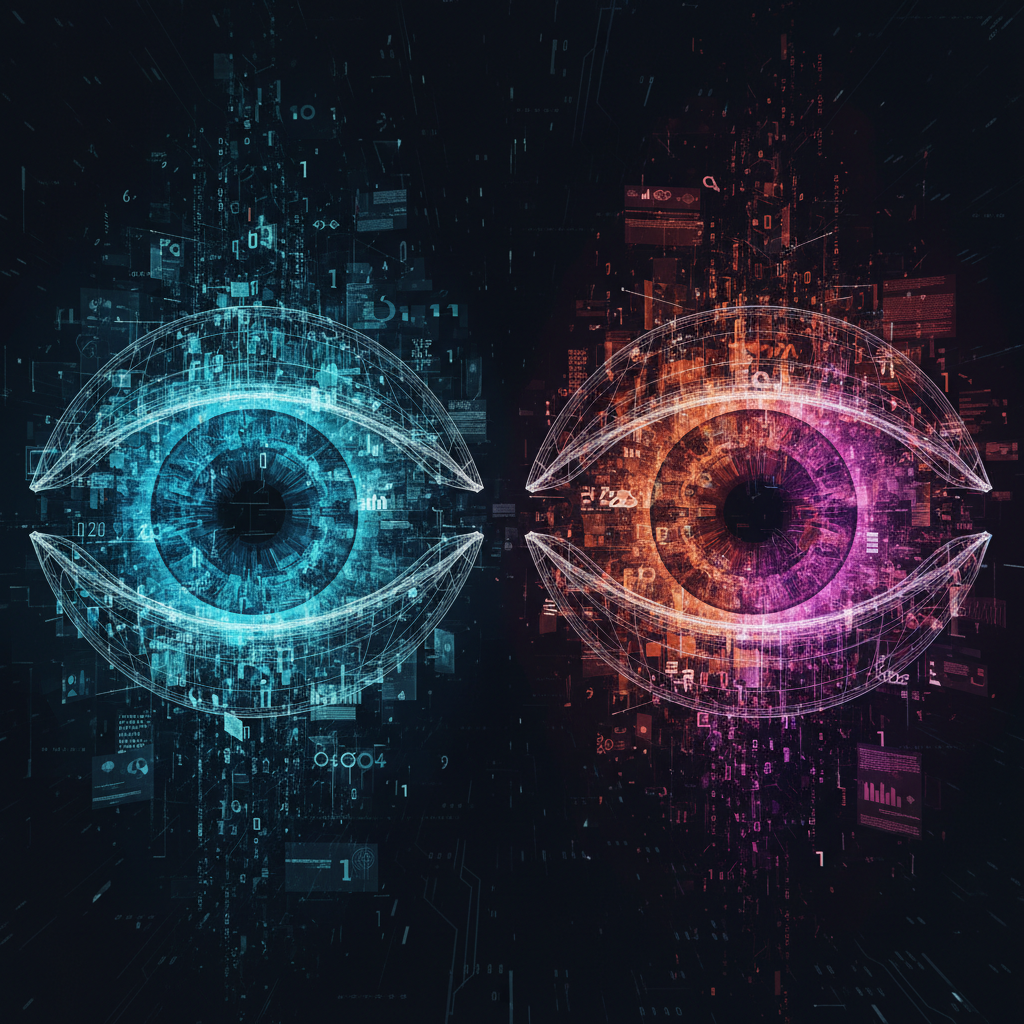
Everyone Sees Everything Differently
The Influence Of Personal History On Perception
Every person carries a lifetime of memories that quietly shape how they interpret the world, colouring each moment with echoes of past experiences. These memories act as filters, amplifying certain details while softening others, creating a personalised version of reality. When two people disagree about what they saw or felt, it is often because their histories guided their attention in different directions. This makes perception less about the external world and more about the internal landscape that interprets it. Recognising this helps us understand why disagreements arise even in simple situations.
Memory And Perception Table
| Memory Type | Influence On Perception | Resulting Effect |
|---|---|---|
| Childhood experiences | Shapes emotional triggers | Heightened sensitivity |
| Past conflicts | Alters interpretation of tone | Defensive reactions |
| Positive milestones | Enhances optimism | Broader tolerance |
| Cultural memories | Guides expectations | Familiarity bias |
| Personal trauma | Narrows focus | Protective filtering |
Emotion As A Lens For Interpretation
Emotions act as powerful lenses that shift the meaning of what we see, often without our awareness. A person feeling anxious may interpret neutral expressions as threatening, while someone feeling joyful may overlook subtle signs of tension. These emotional states fluctuate throughout the day, creating a constantly changing filter that colours perception. This means that even the same person can see the same situation differently depending on their mood. Emotional awareness becomes essential for understanding how our interpretations shift.
Emotion-Based Influences
- Heightened sensitivity during stress
- Increased openness during joy
- Misinterpretation during fear
- Selective attention during sadness
- Overconfidence during excitement
Cultural Background And Interpretive Frameworks
Culture shapes the rules, symbols, and meanings that guide how people interpret the world, influencing everything from gestures to silence. What one culture sees as respectful, another may view as distant, creating misunderstandings rooted not in intention but in differing frameworks. These cultural lenses are learned early and become deeply embedded, guiding perception automatically. When people from different backgrounds interact, their interpretations may diverge even when observing the same behaviour. Understanding cultural influence helps bridge gaps in communication.
Cultural Interpretation Table
| Cultural Influence | Perceived Meaning | Interpretive Outcome |
|---|---|---|
| Direct speech | Honesty | Clarity or bluntness |
| Indirect speech | Respect | Ambiguity or subtlety |
| Eye contact | Confidence | Warmth or confrontation |
| Silence | Thoughtfulness | Calm or discomfort |
| Personal space | Boundaries | Safety or distance |
The Role Of Cognitive Bias In Shaping Reality
Cognitive biases act as shortcuts that help the brain process information quickly, but they also distort perception in predictable ways. These biases influence what we notice, what we ignore, and how we interpret ambiguous situations. People often believe they are seeing the world objectively, unaware that their minds are quietly editing the experience. This creates a sense of certainty that may not reflect reality. Recognising bias helps us question our assumptions and broaden our understanding.
Common Bias Influences
- Confirmation of existing beliefs
- Preference for familiar patterns
- Overestimation of personal accuracy
- Misinterpretation of ambiguous cues
- Reliance on mental shortcuts
Language As A Shaper Of Thought
Language influences how people categorise, describe, and interpret the world, shaping perception through vocabulary and structure. Some languages emphasise emotion, while others prioritise precision or relational context. These linguistic patterns guide attention and interpretation, subtly shaping how individuals experience events. When people speak different languages, they may literally perceive different aspects of the same moment. Language becomes both a tool and a filter for understanding reality.
Language And Perception Table
| Language Feature | Influence | Perceptual Effect |
|---|---|---|
| Rich emotional vocabulary | Heightened nuance | Deeper emotional reading |
| Spatial emphasis | Directional awareness | Stronger orientation |
| Formality levels | Social interpretation | Sensitivity to hierarchy |
| Time structure | Temporal focus | Planning or spontaneity |
| Descriptive density | Detail recognition | Enhanced observation |
Social Dynamics And Interpretive Pressure
People often adjust their perceptions to align with social groups, even when their instincts suggest otherwise. This alignment creates a sense of belonging but can distort individual interpretation. Social pressure encourages conformity, shaping how people see events, behaviours, and even themselves. When group norms are strong, personal perception may be overridden by collective expectation. Understanding this dynamic helps explain why groups can share beliefs that individuals might not hold alone.
Social Influence Factors
- Desire for acceptance
- Fear of conflict
- Trust in group judgement
- Habitual conformity
- Emotional synchronisation
The Impact Of Environment On Interpretation
The environment in which a person finds themselves influences how they interpret sensory information, shaping perception through context. A quiet room may amplify subtle cues, while a noisy environment may obscure important details. Lighting, temperature, and spatial layout all contribute to how people process information. These environmental factors create different perceptual experiences even when the external event is the same. Awareness of context helps explain why interpretations vary.
Environmental Influence Table
| Environmental Factor | Perceptual Impact | Result |
|---|---|---|
| Noise level | Reduced clarity | Misinterpretation |
| Lighting | Emotional tone | Heightened or softened detail |
| Temperature | Physical comfort | Altered focus |
| Space layout | Movement patterns | Attention shifts |
| Colour palette | Mood influence | Emotional filtering |
The Mind’s Tendency To Fill In Gaps
Human perception is not a perfect recording but a reconstruction, with the brain filling in missing details based on expectation. This process helps create coherence but can also introduce errors. People often believe they saw or heard things that were never present, simply because the mind completed the pattern. These mental shortcuts vary from person to person, creating different interpretations of the same moment. Understanding this helps explain why memories and perceptions differ.
Gap-Filling Tendencies
- Completing incomplete patterns
- Inferring missing details
- Relying on expectation
- Projecting past experiences
- Creating coherence from fragments
The Influence Of Personal Values On Interpretation
Values shape what people prioritise, notice, and interpret as meaningful, guiding perception through deeply held beliefs. When values differ, interpretations diverge even when the facts remain the same. These values influence emotional reactions, attention, and judgement. People often assume their values are universal, leading to misunderstandings when others interpret events differently. Recognising value differences helps reduce conflict.
Values And Perception Table
| Value Type | Interpretive Focus | Outcome |
|---|---|---|
| Compassion | Emotional cues | Empathy-driven reading |
| Efficiency | Practical details | Task-oriented perception |
| Tradition | Familiar patterns | Stability preference |
| Innovation | Novelty | Curiosity-driven focus |
| Independence | Personal boundaries | Autonomy emphasis |
The Role Of Attention In Shaping Experience
Attention determines which details enter consciousness and which fade into the background. People focus on different aspects of the same moment based on interest, mood, and habit. This selective attention creates unique perceptual experiences even in shared environments. When attention shifts, interpretation shifts with it. Understanding attention helps explain why people recall different details from the same event.
Attention-Based Influences
- Focus on movement
- Sensitivity to tone
- Preference for detail
- Habitual scanning patterns
- Emotional prioritisation

The Power Of Imagination In Interpretation
Imagination fills the spaces between facts, shaping perception through creative interpretation. People often imagine motives, intentions, or outcomes that influence how they see events. This imaginative layer can enrich understanding or distort it, depending on context. Imagination varies widely between individuals, creating diverse interpretations of the same situation. Recognising this helps balance creativity with clarity.
Imagination Influence Table
| Imaginative Trait | Perceptual Effect | Outcome |
|---|---|---|
| Vivid imagery | Enhanced detail | Rich interpretation |
| Narrative thinking | Story creation | Emotional depth |
| Symbolic thinking | Hidden meaning | Layered perception |
| Future projection | Anticipation | Expectation bias |
| Abstract thinking | Pattern recognition | Conceptual insight |
The Influence Of Personality On Perception
Personality shapes how people interpret events, guiding attention, emotion, and judgement. Introverted individuals may focus on subtle cues, while extroverted individuals may prioritise broader social dynamics. Analytical thinkers may seek patterns, while intuitive thinkers may rely on instinct. These personality-driven tendencies create distinct perceptual styles. Understanding personality helps explain why interpretations differ.
Personality-Based Influences
- Sensitivity to nuance
- Preference for structure
- Reliance on instinct
- Focus on social cues
- Desire for clarity
The Role Of Expectations In Shaping Reality
Expectations act as filters that shape perception before an event even occurs. When people expect something to happen, they are more likely to notice confirming details and overlook contradictions. This creates a self-reinforcing loop that shapes interpretation. Expectations vary widely based on experience, personality, and culture. Recognising expectation bias helps broaden perspective.
Expectation Influence Table
| Expectation Type | Perceptual Impact | Result |
|---|---|---|
| Positive expectation | Focus on benefits | Optimistic reading |
| Negative expectation | Focus on risks | Defensive interpretation |
| Neutral expectation | Balanced attention | Clearer perception |
| High expectation | Increased scrutiny | Pressure-driven reading |
| Low expectation | Reduced attention | Overlooked details |
The Influence Of Sensory Sensitivity On Interpretation
People vary widely in how sensitive they are to sound, light, texture, and movement, shaping perception through sensory thresholds. Highly sensitive individuals may notice subtle cues that others overlook, while less sensitive individuals may focus on broader patterns. These differences create unique perceptual experiences even in identical environments. Sensory sensitivity influences emotional reactions and interpretive style. Understanding this helps explain perceptual diversity.
Sensory Sensitivity Factors
- Heightened awareness of detail
- Strong reactions to noise
- Preference for calm environments
- Sensitivity to visual clutter
- Need for sensory balance
The Role Of Motivation In Guiding Perception
Motivation directs attention toward goals, shaping what people notice and how they interpret events. When someone is motivated to succeed, they may interpret challenges as opportunities, while someone feeling discouraged may see them as threats. Motivation shifts perception by altering emotional tone and cognitive focus. These shifts create different interpretations of the same situation. Recognising motivation helps clarify perceptual differences.
Motivation And Perception Table
| Motivation Type | Interpretive Style | Outcome |
|---|---|---|
| Achievement | Opportunity focus | Increased drive |
| Security | Risk focus | Cautious interpretation |
| Curiosity | Exploration | Broader perception |
| Belonging | Social reading | Connection emphasis |
| Independence | Autonomy focus | Self-guided interpretation |
The Influence Of Stress On Interpretation
Stress narrows attention and heightens emotional reactivity, shaping perception through urgency and tension. Under stress, people may misinterpret neutral cues as threatening or overlook important details. This creates a distorted version of reality that feels accurate in the moment. Stress-driven perception varies widely between individuals. Understanding stress helps explain sudden shifts in interpretation.
Stress-Based Influences
- Heightened vigilance
- Reduced patience
- Increased emotional reactivity
- Narrowed focus
- Misreading of tone
The Role Of Curiosity In Expanding Perception
Curiosity opens the mind to new interpretations, encouraging exploration and deeper understanding. People who approach situations with curiosity tend to notice more details and consider multiple perspectives. This broadens perception and reduces the influence of bias. Curiosity fosters flexibility in interpretation. Encouraging curiosity helps people see beyond their initial impressions.
Curiosity Influence Table
| Curiosity Trait | Perceptual Effect | Outcome |
|---|---|---|
| Open-mindedness | Broader attention | Expanded insight |
| Questioning | Deeper analysis | Reduced assumptions |
| Exploration | Novel detail | Fresh interpretation |
| Playfulness | Creative reading | Flexible perception |
| Persistence | Thorough observation | Increased clarity |
The Influence Of Environment On Emotional Tone
Different environments evoke different emotional responses, shaping how people interpret events within them. A peaceful setting may soften perception, while a chaotic environment may heighten sensitivity. These emotional tones influence attention, judgement, and interpretation. People often underestimate how strongly environment shapes perception. Awareness of this helps explain perceptual variation.
Environmental Emotional Factors
- Calmness in quiet spaces
- Tension in crowded areas
- Inspiration in natural settings
- Alertness in unfamiliar places
- Comfort in familiar environments

Tips For Understanding Perceptual Differences
Understanding that everyone sees the world differently helps reduce conflict and encourages empathy. Listening without assuming intent allows space for multiple interpretations to coexist. Asking clarifying questions helps uncover the internal filters shaping someone’s perception. Reflecting on your own biases and emotional state improves communication. Practising patience creates room for deeper understanding.
Helpful Tips Table
| Tip | Purpose | Benefit |
|---|---|---|
| Listen actively | Understand perspective | Builds trust |
| Reflect on bias | Increase awareness | Reduces conflict |
| Ask open questions | Clarify meaning | Enhances connection |
| Consider context | Broaden interpretation | Improves accuracy |
| Practise empathy | Honour differences | Strengthens relationships |
Conclusion
Everyone sees the world through a unique combination of memory, emotion, culture, personality, and experience, creating a mosaic of perspectives that rarely align perfectly. These differences are not obstacles but opportunities to understand the richness of human interpretation. When we recognise that perception is shaped by internal filters rather than objective truth, communication becomes more compassionate and nuanced. Embracing perceptual diversity allows us to navigate relationships with greater clarity and patience. Seeing differently becomes a strength rather than a source of division.
Join The Discussion
How do you interpret moments differently from those around you, and what shaped your unique way of seeing the world?
#PerceptionDifferences #SeeingTheWorld #HumanInterpretation #CognitiveFilters #EmotionalPerception #CulturalUnderstanding #MindAndMeaning




3 Comments