

The Idea Of Strange And The Nature Of The Unfamiliar
Idea Of Strange
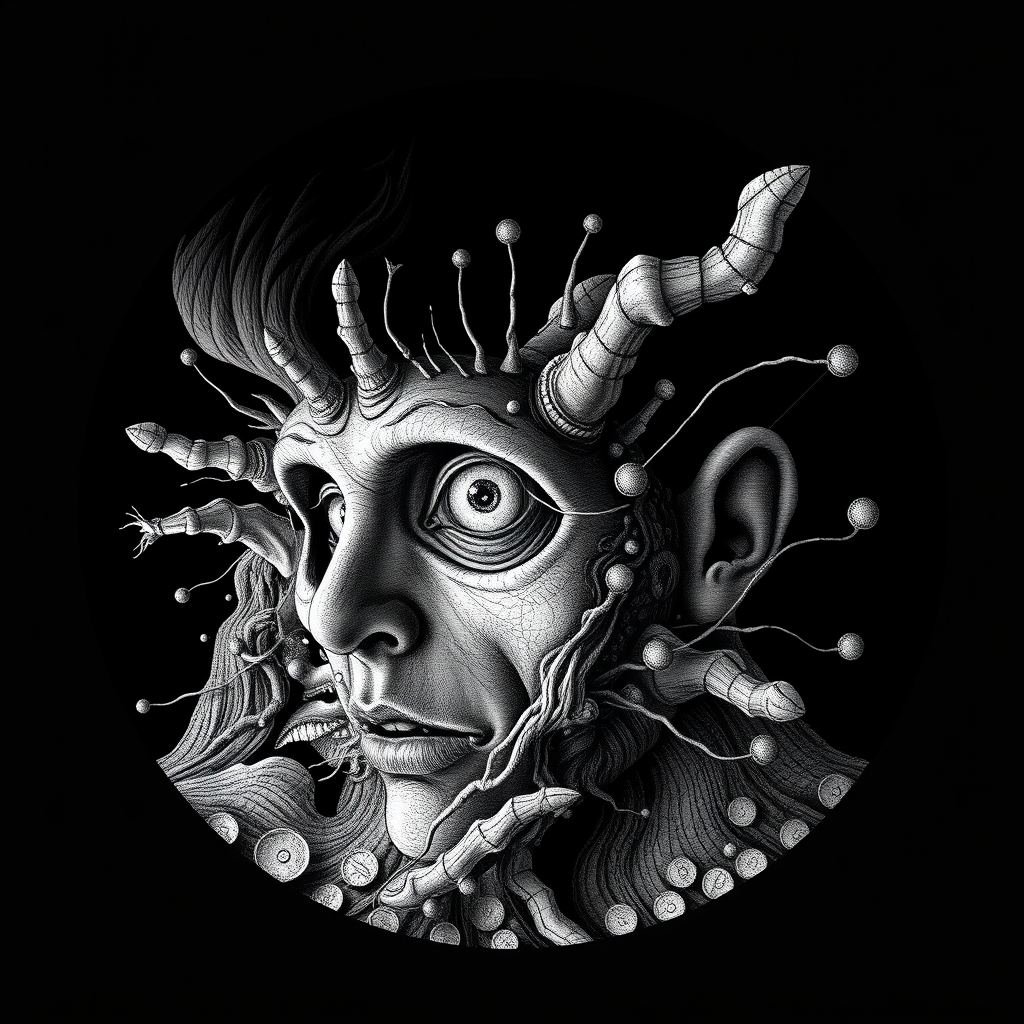
The idea of strange emerges when something challenges our expectations, disrupts familiarity, or introduces an unfamiliar pattern into our perception. It is a psychological signal that something does not fit neatly into our existing mental categories. People often react to strangeness with curiosity, hesitation, or fascination depending on their emotional state. The mind interprets the strange as a prompt to pay closer attention. This heightened awareness makes the unfamiliar feel vivid and memorable. Strange experiences often linger because they break routine. Exploring the idea of strange reveals how deeply novelty and uncertainty shape human perception.
The Nature Of The Unfamiliar
The unfamiliar feels strange because it lacks the comfort of predictability. People often rely on patterns to navigate daily life, and anything outside those patterns stands out sharply. The mind interprets unfamiliarity as a signal to observe more carefully. This heightened attention can create excitement or discomfort. The unfamiliar becomes a doorway to new experiences. It challenges assumptions and invites exploration. Unfamiliarity becomes a core element of strangeness.
Table – Sources Of Unfamiliarity
| Source | Description | Influence |
|---|---|---|
| New Environments | Unexplored places | Heightens alertness |
| Unusual Behaviour | Unexpected actions | Creates curiosity |
| Novel Ideas | Uncommon concepts | Expands thinking |
| Unexpected Sounds | Out‑of‑place noises | Triggers attention |
| Unfamiliar Faces | New people | Shapes social response |

The Emotional Reaction To Strangeness
Strangeness often triggers a mix of curiosity and caution. People may feel drawn toward the unfamiliar while simultaneously holding back. The mind interprets this tension as a protective mechanism. These emotional reactions shape how we approach new situations. Strangeness can feel thrilling or unsettling depending on context. It creates a heightened emotional state that makes the moment feel significant. Emotion becomes a major part of what makes something strange.
Key Points
- Strangeness triggers mixed emotions.
- People feel both curiosity and caution.
- The mind uses strangeness as a signal.
- Emotion shapes how we approach novelty.
- Strange moments feel heightened.
- Context influences emotional tone.
- Emotion deepens the sense of strangeness.
The Role Of Expectation
Expectation shapes what feels normal and what feels strange. People build mental templates for how things should unfold. The mind interprets deviations from these templates as unusual. These deviations create the sensation of strangeness. Expectation becomes a baseline for comparison. When reality shifts away from expectation, the strange emerges. Expectation becomes a key factor in defining strangeness.
Table – Expectation Patterns
| Pattern | Description | Influence |
|---|---|---|
| Routine | Predictable sequences | Creates normality |
| Social Norms | Shared behaviour rules | Shapes judgement |
| Personal Assumptions | Individual beliefs | Directs perception |
| Cultural Scripts | Collective expectations | Guides interpretation |
| Habitual Thinking | Automatic responses | Reduces surprise |
The Influence Of Ambiguity
Ambiguity creates strangeness by leaving room for multiple interpretations. People often feel uneasy when meaning is unclear. The mind interprets ambiguity as uncertainty. These unclear signals create tension and curiosity. Ambiguity invites imagination to fill the gaps. It makes the strange feel open‑ended and unpredictable. Ambiguity becomes a powerful source of strangeness.
Key Points
- Ambiguity creates uncertainty.
- People feel uneasy with unclear meaning.
- The mind reacts strongly to ambiguity.
- Ambiguity invites imagination.
- It makes strangeness feel open‑ended.
- Unclear signals heighten tension.
- Ambiguity deepens the strange.
The Role Of Contrast
Contrast makes something appear strange by highlighting differences. People notice strangeness more when it stands out sharply from its surroundings. The mind interprets contrast as a cue for significance. These differences draw attention and spark curiosity. Contrast creates visual, emotional, or conceptual tension. It makes the strange feel more pronounced. Contrast becomes a defining feature of strangeness.
Table – Types Of Contrast
| Type | Description | Influence |
|---|---|---|
| Visual | Sharp differences in appearance | Heightens awareness |
| Behavioural | Unexpected actions | Creates intrigue |
| Emotional | Mismatched feelings | Adds complexity |
| Conceptual | Conflicting ideas | Sparks thought |
| Social | Unusual norms | Shapes reaction |
The Influence Of Novelty
Novelty makes something feel strange simply because it is new. People often react strongly to new experiences because they break routine. The mind interprets novelty as opportunity or risk. These reactions shape how we perceive the strange. Novelty creates excitement and unpredictability. It adds freshness to perception. Novelty becomes a major contributor to strangeness.
Key Points
- Novelty creates strangeness.
- New experiences break routine.
- The mind sees novelty as opportunity or risk.
- Novelty shapes emotional response.
- It adds freshness to perception.
- Novelty heightens awareness.
- Novelty deepens the strange.
The Role Of Imagination
Imagination amplifies strangeness by adding layers of possibility. People often imagine meanings or outcomes that intensify the unfamiliar. The mind interprets imagination as exploration. These imagined layers make the strange feel larger than the moment itself. Imagination can turn simple oddities into vivid experiences. It shapes how we interpret the unknown. Imagination becomes a powerful force behind strangeness.
Table – Imaginative Effects On Strangeness
| Effect | Description | Influence |
|---|---|---|
| Projection | Adding imagined meaning | Intensifies perception |
| Symbolism | Seeing deeper layers | Adds mystery |
| Storytelling | Creating narratives | Shapes emotion |
| Exaggeration | Amplifying details | Heightens strangeness |
| Possibility | Imagining outcomes | Expands interpretation |
The Influence Of Memory
Memory shapes strangeness by comparing the present to the past. People often feel something is strange when it differs from what they remember. The mind interprets memory as a reference point. These comparisons highlight unusual details. Memory can make the strange feel nostalgic or unsettling. It adds depth to how we interpret the unfamiliar. Memory becomes a key factor in strangeness.
Key Points
- Memory shapes perception of strangeness.
- People compare the present to the past.
- The mind uses memory as reference.
- Differences create strangeness.
- Memory adds emotional tone.
- It deepens interpretation.
- Memory influences reaction.
The Role Of Identity
Identity shapes what feels strange by influencing what we consider normal. People often see strangeness through the lens of their personal values and experiences. The mind interprets identity as a filter. These filters shape what stands out. Identity makes strangeness subjective. It adds personal meaning to the unfamiliar. Identity becomes a major contributor to strangeness.
Table – Identity Filters
| Filter | Description | Influence |
|---|---|---|
| Personal Values | Core beliefs | Shape judgement |
| Cultural Background | Shared norms | Directs perception |
| Life Experience | Past events | Influences reaction |
| Social Roles | Expected behaviour | Shapes interpretation |
| Self‑Image | Personal narrative | Guides meaning |
The Influence Of Social Norms
Social norms shape what feels strange by defining what is typical. People often judge strangeness based on how behaviour aligns with group expectations. The mind interprets norms as stability. These norms create boundaries for what feels acceptable. When something falls outside these boundaries, it feels strange. Social norms shape collective perception. They become a major influence on strangeness.
Key Points
- Social norms define typical behaviour.
- People judge strangeness through group expectations.
- The mind sees norms as stability.
- Norms create boundaries.
- Deviations feel strange.
- Social context shapes perception.
- Norms influence reaction.
The Role Of Surprise
Surprise creates strangeness by disrupting expectation. People often react strongly to sudden changes. The mind interprets surprise as a signal to pay attention. These moments feel vivid and memorable. Surprise heightens emotional intensity. It makes the strange feel immediate. Surprise becomes a key element of strangeness.
Table – Forms Of Surprise
| Form | Description | Influence |
|---|---|---|
| Sudden Events | Unexpected moments | Heighten alertness |
| Unusual Behaviour | Out‑of‑character actions | Creates intrigue |
| Unexpected Outcomes | Surprising results | Shifts perception |
| Abrupt Changes | Rapid transitions | Increase tension |
| Novel Encounters | New experiences | Spark curiosity |
The Influence Of Ambivalence
Ambivalence creates strangeness by mixing attraction and hesitation. People often feel drawn to the unfamiliar while resisting it. The mind interprets ambivalence as emotional conflict. These mixed feelings create tension. Ambivalence adds complexity to perception. It makes the strange feel layered. Ambivalence becomes a psychological hallmark of strangeness.
Key Points
- Ambivalence mixes attraction and hesitation.
- People feel conflicted about the strange.
- The mind interprets ambivalence as tension.
- Mixed feelings shape reaction.
- Ambivalence adds complexity.
- It deepens emotional tone.
- Ambivalence defines strangeness.
The Role Of Silence
Silence can make something feel strange by removing familiar cues. People often rely on sound to interpret their surroundings. The mind interprets silence as uncertainty. These quiet moments heighten awareness. Silence creates space for imagination. It makes the strange feel more intense. Silence becomes a subtle source of strangeness.
Table – Effects Of Silence
| Effect | Description | Influence |
|---|---|---|
| Heightened Awareness | Increased focus | Intensifies perception |
| Emotional Tension | Quiet unease | Shapes reaction |
| Imaginative Space | Room for thought | Adds mystery |
| Sensory Shift | Reduced noise | Highlights details |
| Social Discomfort | Unusual quiet | Creates awkwardness |

The Influence Of Isolation
Isolation amplifies strangeness by removing familiar social anchors. People often feel more sensitive to unusual details when alone. The mind interprets isolation as vulnerability. These moments heighten emotional response. Isolation makes the strange feel more pronounced. It adds intensity to perception. Isolation becomes a powerful amplifier of strangeness.
Key Points
- Isolation heightens sensitivity.
- People notice more when alone.
- The mind sees isolation as vulnerability.
- Isolation intensifies emotion.
- It amplifies strangeness.
- Isolation sharpens perception.
- It deepens the unfamiliar.
The Role Of Contrast In Time
Time shapes strangeness by altering how we interpret events across different moments. People often see something as strange only after reflecting on it later. The mind interprets time as perspective. These shifts reveal details that were not obvious before. Time adds distance that changes meaning. It transforms ordinary moments into strange ones. Time becomes a quiet contributor to strangeness.
Table – Time‑Based Shifts
| Shift | Description | Influence |
|---|---|---|
| Reinterpretation | New meaning emerges | Alters perception |
| Emotional Cooling | Reduced intensity | Increases clarity |
| Memory Distortion | Details shift | Changes interpretation |
| Comparison | Past vs present | Highlights strangeness |
| Reflection | Deeper thought | Adds complexity |
The Influence Of Symbolism
Symbolism makes something feel strange by adding layers of meaning. People often interpret symbols in personal or unexpected ways. The mind interprets symbolism as depth. These symbolic layers create mystery. Symbolism transforms simple details into meaningful ones. It adds richness to perception. Symbolism becomes a major source of strangeness.
Key Points
- Symbolism adds layers of meaning.
- People interpret symbols personally.
- The mind sees symbolism as depth.
- Symbolism creates mystery.
- It transforms simple details.
- Symbolism enriches perception.
- Symbolism deepens strangeness.
The Role Of Imprint
Imprint refers to the lasting marks strange moments leave behind. People often remember strange experiences vividly. The mind interprets imprint as significance. These memories shape future reactions. Imprint adds continuity to strangeness. It influences how we interpret new moments. Imprint becomes a lasting part of the strange.
Table – Types Of Strange Imprints
| Type | Description | Influence |
|---|---|---|
| Emotional | Strong feelings | Shape memory |
| Sensory | Vivid impressions | Trigger recall |
| Relational | Unusual interactions | Influence trust |
| Environmental | Strange places | Shape comfort |
| Symbolic | Meaningful oddities | Alter perception |
Conclusion
The idea of strange emerges from the interplay of expectation, emotion, memory, imagination, and perception. These layers create moments that feel vivid, unsettling, or fascinating. People experience strangeness when something disrupts familiarity or challenges their internal patterns. The mind interprets the strange as a signal to pay attention. Strangeness becomes a doorway to curiosity, reflection, and growth. By exploring the idea of strange, we see how deeply novelty and uncertainty shape human experience. Strangeness becomes not just an oddity, but a meaningful part of how we encounter the world.